




More Than Just Rain
For hundreds of millions in South Asia, the monsoon is a season, not just a weather pattern. From roughly June to September, it brings life-giving rains that are essential for agriculture. But in the region’s dense, bustling cities, it also brings disruption.
Streets flood, traffic grinds to a halt, and the simple act of stepping outside requires a new level of commitment. This seasonal shift transforms daily life, forcing a massive population indoors. While this has always been true, what’s new is the digital infrastructure ready to serve this captive audience. The monsoon has become a predictable, recurring gold rush for a specific sector: the convenience economy.
The Rise of 'Monsoon Cravings'
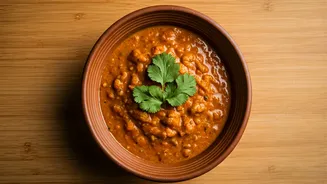
When it’s gray and pouring outside, people crave comfort. In the U.S., that might mean a bowl of mac and cheese or a pizza. In India, companies have identified and now market directly to what they call “monsoon cravings.” These are typically hot, savory, and often fried foods—think of samosas, pakoras (fritters), and steaming bowls of noodles or soup. Food delivery giants like Zomato and Swiggy see orders for these items skyrocket. But it’s not just about hot food. There’s a crucial second factor at play: hygiene. The monsoon season unfortunately coincides with a rise in water-borne diseases. This makes consumers, especially in urban areas, deeply skeptical of the beloved street food vendors they frequent the rest of the year. The perceived safety of a sealed, ready-to-eat (RTE) meal from a trusted brand or a hot dish prepared in a professional restaurant kitchen becomes a powerful selling point.
An Annual Sales Bonanza
For companies in the food space, this isn’t an accident; it’s a strategy. Brands that sell packaged soups, instant noodles, and microwaveable meals launch targeted advertising campaigns as the first rains approach. They know that stocking the pantry becomes a priority for households bracing for weeks of inconvenient weather. Similarly, food delivery platforms roll out monsoon-specific menus, discounts on comforting combos, and marketing that taps directly into the cozy, stay-at-home vibe. They’re not just reacting to demand; they are actively shaping it. This annual, predictable surge provides a massive boost to quarterly earnings, turning a weather phenomenon into a reliable entry on a corporate balance sheet.
The Logistical Downpour
Delivering on this promise is a massive operational challenge. How do you guarantee a hot meal in 30 minutes when streets are submerged and traffic is at a standstill? This is where the industry’s ingenuity comes into play. Delivery companies offer their riders “rain gear,” special bonuses for working in difficult conditions, and sometimes even shelter and hot beverages at designated hubs. They lean heavily on data, using advanced algorithms to predict demand surges in specific neighborhoods and pre-positioning drivers nearby. The rise of “cloud kitchens”—delivery-only cooking facilities without a storefront—also plays a key role. These kitchens can be located strategically to optimize delivery routes, bypassing the most congested and flood-prone city centers. Solving the monsoon delivery puzzle is a high-stakes test of a company's logistical prowess.