


A Carpet of Unexpected Color
For adventurers and nature lovers who brave the unpredictable weather of the early trekking season in Uttarakhand, the reward this year is exceptionally vivid. Reports and stunning photographs emerging from popular high-altitude trails describe a landscape
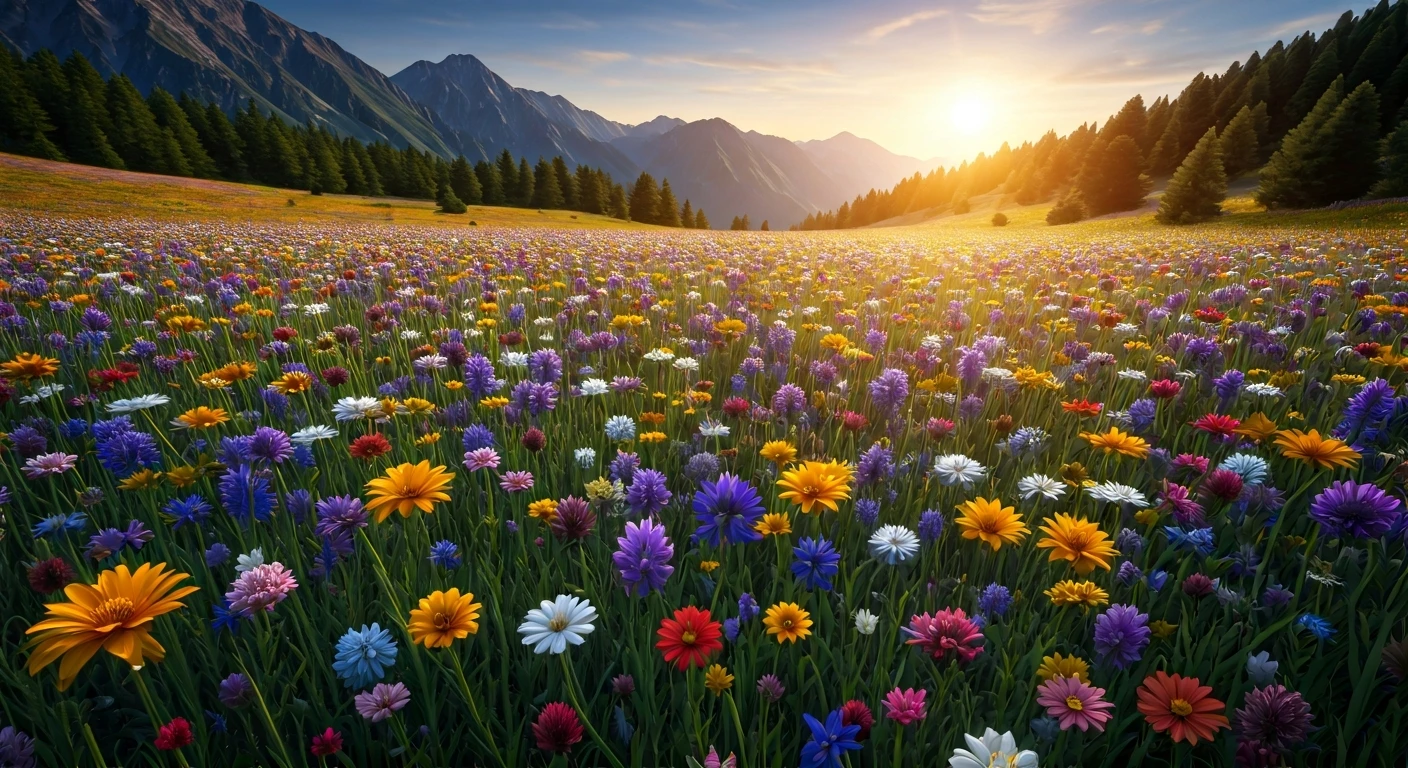
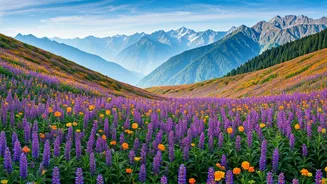
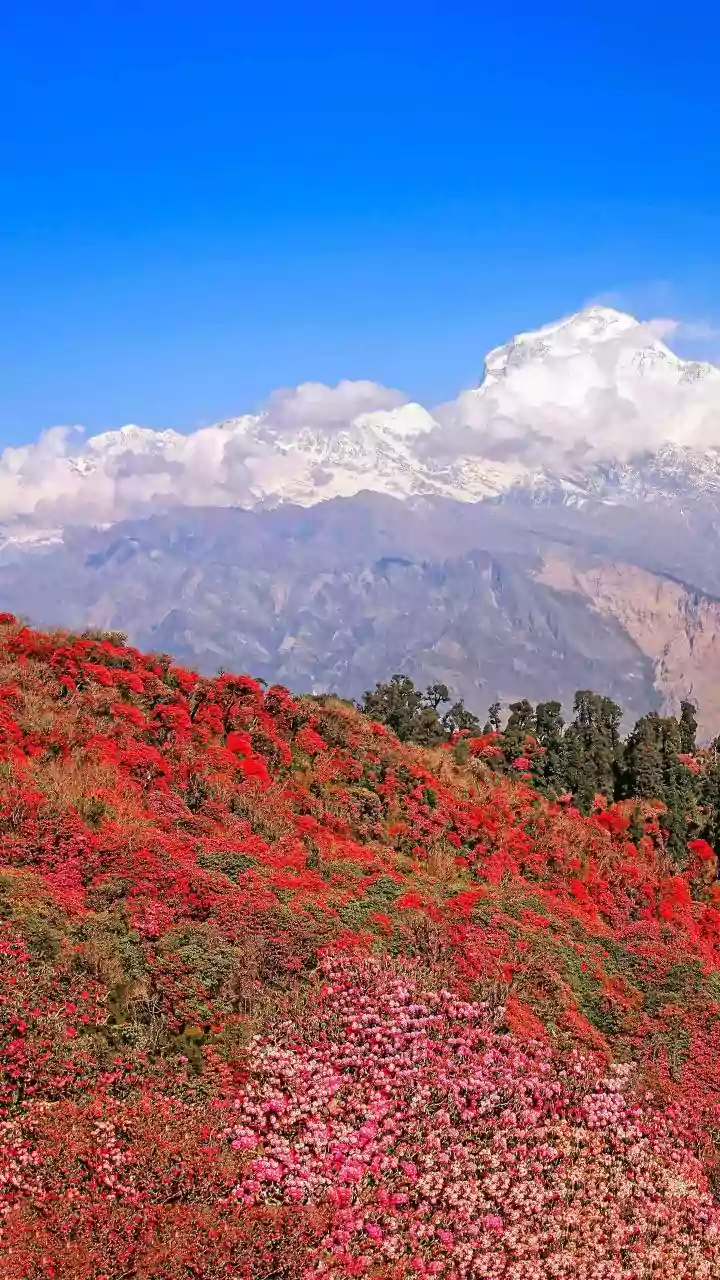
transformed. The famous ‘bugyals’—vast, rolling alpine meadows—are not just green but awash in hues of purple, yellow, blue, and white. Flowers that typically wait for the peak monsoon in July and August have unfurled weeks ahead of schedule, creating a floral mosaic against the backdrop of snow-capped peaks. Trekkers are encountering dense patches of Himalayan blue poppies, vibrant primulas, delicate anemones, and the striking cobra lily, turning familiar paths into an almost surreal botanical garden.
The Science of the Bloom
This phenomenon isn’t just a fluke of nature; it’s a delicate dance between altitude, moisture, and temperature. The high-altitude ecosystem of the Himalayas is exquisitely sensitive. The early arrival of monsoon showers, combined with warmer spring temperatures, has acted as a trigger, coaxing dormant seeds and bulbs to life. The soil, saturated with fresh rain and warmed by the sun, provides the perfect nursery for this explosion of life. These alpine plants have a very short window to grow, flower, and produce seeds before the harsh Himalayan winter returns. An early start to the rains essentially fast-forwards their life cycle, resulting in the concentrated, lush bloom that trekkers are currently witnessing. It’s a powerful reminder of how finely tuned this environment is to climatic cues.
The Trekkers' Reward
Trekking during the early monsoon is a gamble. The trails can be slick with mud, paths can be obscured by mist, and the weather can turn in an instant. Yet, for those who take the chance, the payoff is immense. This year, that payoff is the solitude and pristine beauty of a world in full bloom. Routes leading to iconic destinations like the Valley of Flowers National Park, a UNESCO World Heritage site, and Hemkund Sahib are reportedly spectacular. Even on lesser-known trails near Chopta or Dayara Bugyal, hikers are finding themselves alone in fields of flowers stretching to the horizon. It’s a far cry from the crowded trails of peak season, offering a more intimate and profound connection with the landscape. The challenging conditions filter out the crowds, leaving a serene, almost magical experience for the dedicated few.
A Fragile Paradise
While the bloom is a source of wonder, it also serves as a poignant symbol of the fragility of the Himalayan ecosystem. Many of the flowers, including the legendary Brahma Kamal (the state flower of Uttarakhand), are endemic to this specific region, meaning they grow nowhere else on Earth. Their survival is tied directly to the delicate balance of the seasons. Climate change, which can lead to more erratic monsoon patterns and temperature fluctuations, poses a direct threat to this biodiversity. The early bloom, while beautiful, is also a data point for scientists monitoring these changes. It underscores the importance of responsible tourism—sticking to marked trails, carrying out all trash, and respecting the local environment—to ensure these mountain gardens can continue to thrive for generations to come.