

1. Let There Be (Natural) Light
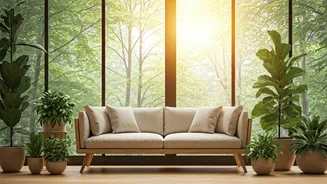
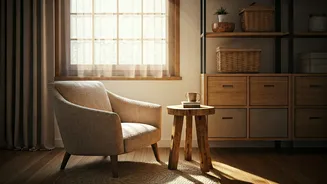
The most fundamental element of nature-inspired design is light. Sunlight not only reduces energy consumption but also boosts mood and regulates our internal clocks. To make a home peaceful, maximize natural light by using sheer curtains instead of heavy
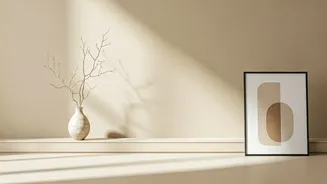
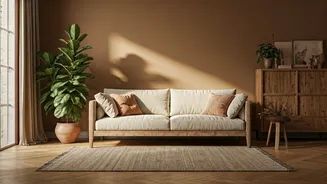
drapes, placing mirrors opposite windows to bounce light around the room, and keeping windowsills clear. To keep it from feeling sterile or boring, pay attention to how that light creates shifting patterns throughout the day. The shadows cast by a tree branch or the warm glow of a sunset filtering through a window add a dynamic, ever-changing layer of visual interest that no artificial lighting can replicate.
2. Celebrate Natural Materials
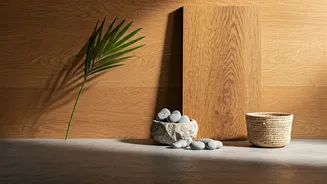
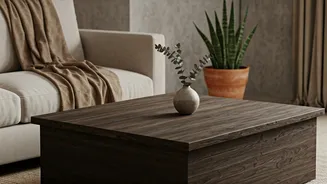
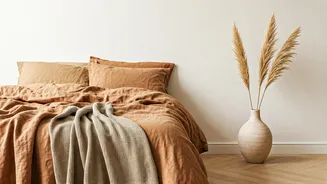
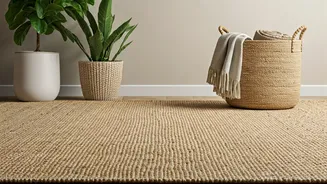
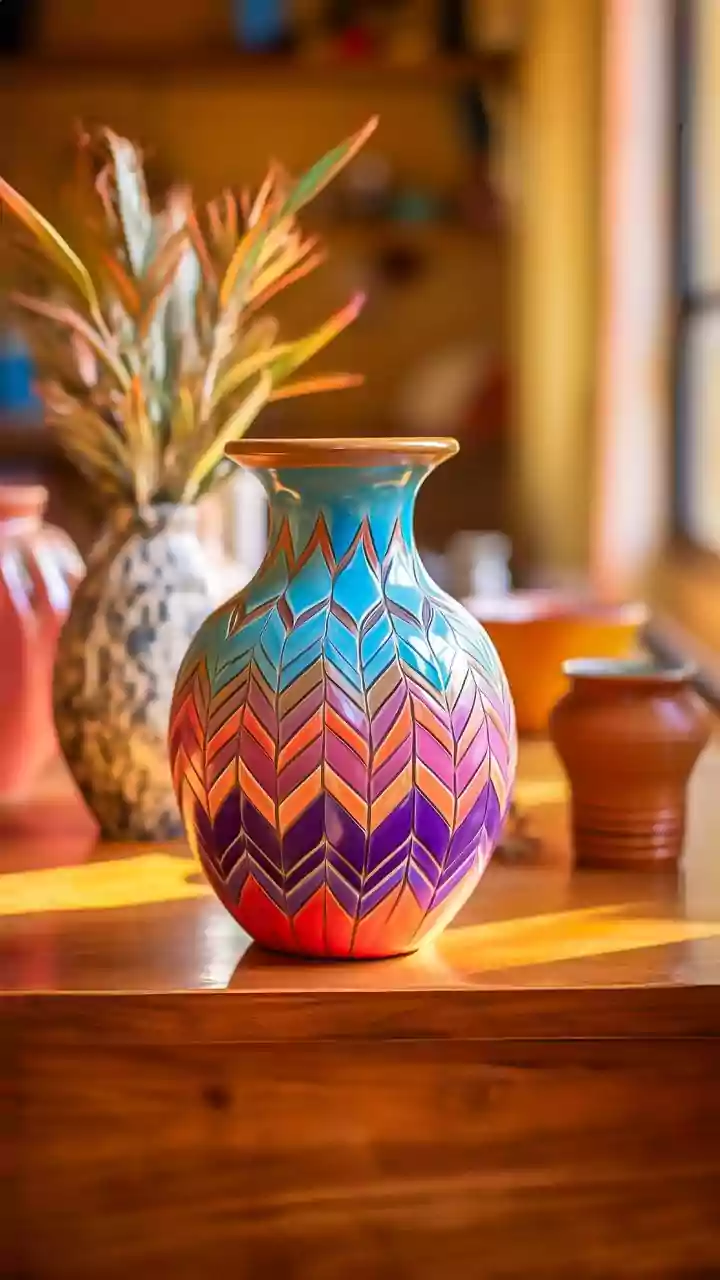
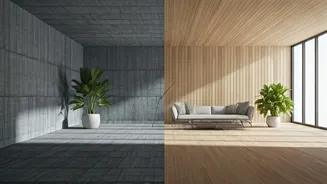
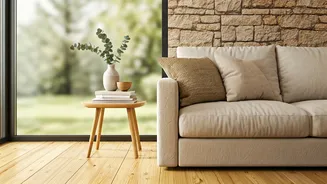
Our brains are wired to find comfort in the materials our ancestors lived with. Wood, stone, rattan, wool, and linen all have an inherent warmth and texture that grounds a space. This is where you fight the “boring” stereotype. Instead of perfectly smooth, uniform surfaces, opt for materials with character. Think a live-edge wood dining table, a slate accent wall, or hand-thrown ceramic pottery. The varied grains in a piece of oak, the cool smoothness of a river stone, and the nubby texture of a linen pillow all invite touch and provide a rich sensory experience that is anything but monotonous.
3. Go Beyond a Single Potted Plant
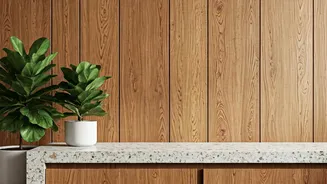
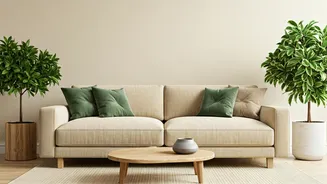
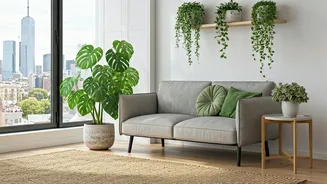
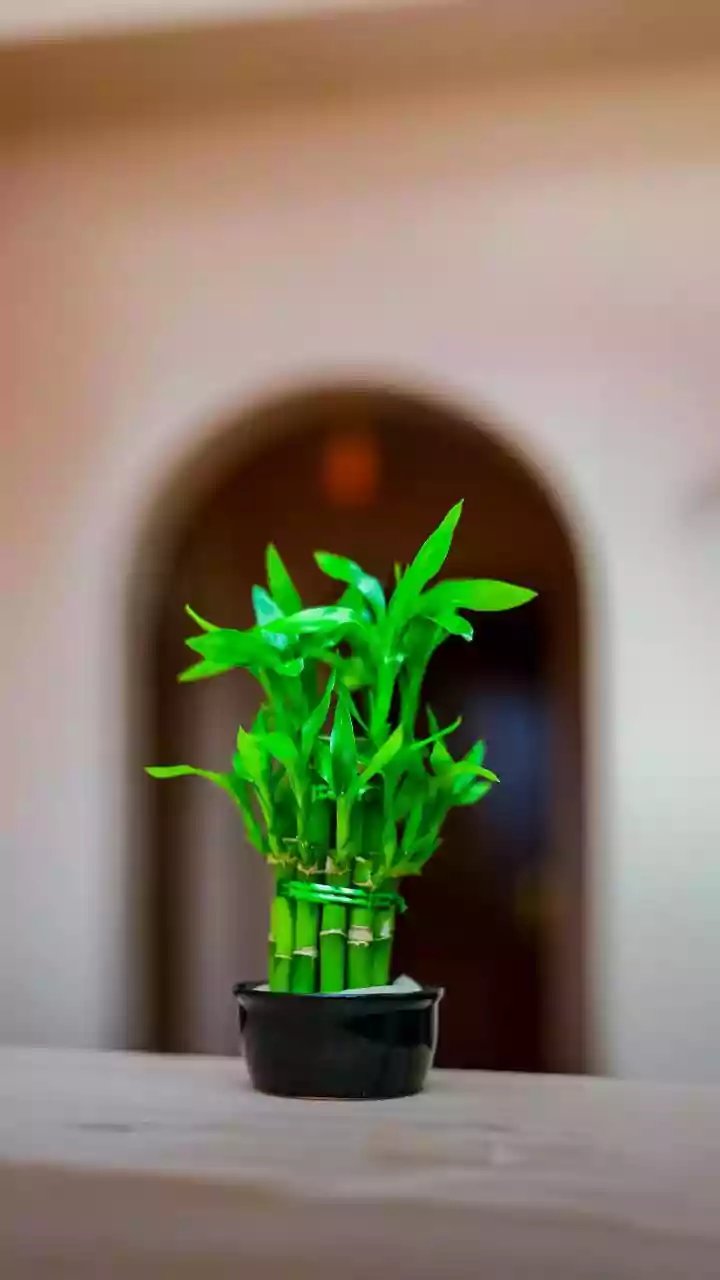
Bringing plants indoors is the most direct way to incorporate nature, but biophilic design encourages a more integrated approach. Yes, a fiddle-leaf fig in the corner is a great start. But to make it truly interesting, think in layers. Hang a vining pothos from the ceiling, create a small herb garden on a kitchen windowsill, or group several small plants with varying leaf shapes and colors on a bookshelf. A living wall or even a high-quality botanical print can serve as a stunning focal point. The goal is to create an ecosystem, however small, that brings life, purifies the air, and adds vibrant, natural color.
4. Use Nature’s Color Palette
Nature-inspired doesn't mean your entire home has to be beige. Nature’s palette is incredibly diverse and vibrant. The key is to borrow colors that feel authentic and balanced. Start with a base of earthy neutrals—like stone gray, sandy tan, or warm white. Then, layer in colors drawn from the environment. Think of the deep greens of a forest floor, the rich blues of a twilight sky, the terracotta of a desert canyon, or the soft yellows of a field of wildflowers. These colors can be introduced through accent walls, throw pillows, rugs, or artwork, providing depth and personality while maintaining an overall sense of harmony.
5. Embrace Organic Shapes
Look around in nature and you'll find very few perfect right angles. The natural world is full of curves, waves, and gentle, imperfect lines. Introducing these organic shapes into your home can instantly soften a room and make it feel more welcoming and less rigid. This can be as simple as choosing a round coffee table, a sofa with curved arms, or a rug with a flowing, abstract pattern. Look for lighting fixtures that mimic branches, vases with an irregular, handmade feel, or mirrors with soft, rounded edges. These subtle deviations from sharp, geometric forms break up visual monotony and create a more relaxed, flowing atmosphere.