


A Refreshing Slice of History
For many Americans, the idea of an Indian vacation conjures images of bustling cities and ancient, sun-baked temples. Shimla offers a delightful counterpoint. Perched at an altitude of over 7,000 feet, its primary draw has always been its climate. This
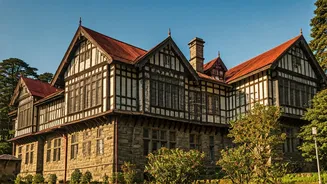
was the reason the British designated it as the official summer capital of the Raj in 1864. For months each year, the entire government of British India would decamp from the heat of Calcutta (and later Delhi) to this cool mountain retreat. That history isn't just a footnote; it's the very soul of the city. The British left behind a town that feels like a charming, slightly surreal blend of an English village and a Himalayan outpost. You’ll see it in the gabled roofs, stone facades, and stained-glass windows of buildings like Christ Church, the second-oldest church in North India, which presides over the main square, The Ridge.
The Pedestrian-Friendly Heart
One of Shimla’s most revolutionary and beloved features, especially for a city in India, is its pedestrian-only town center. Mall Road, the main artery, is a bustling, joyous promenade free from the honking horns and traffic that define so many urban experiences. Here, locals and tourists alike stroll leisurely, browsing shops that sell everything from local woolens to intricate wooden crafts. Cafes and restaurants spill out onto the pavement, offering a perfect spot to sip a hot chai while watching the world go by.
This car-free zone creates a unique, communal atmosphere. It encourages exploration on foot, leading you down winding side streets to hidden viewpoints or up steep steps to discover a new bakery. The social life of the town plays out in the open, on The Ridge and Mall Road, where families gather, friends meet, and travelers pause to take in the panoramic mountain views that appear between the colonial buildings.
An Iconic Journey by Rail
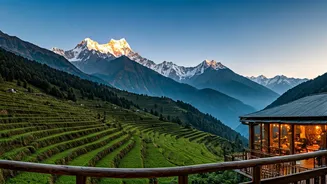
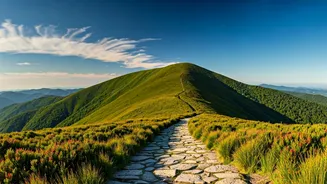
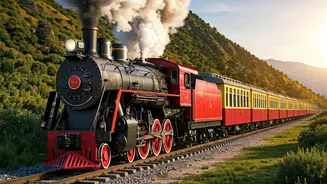
Getting to Shimla can be as magical as the destination itself. The Kalka-Shimla Railway, a UNESCO World Heritage site, is a marvel of early 20th-century engineering. This narrow-gauge “toy train” winds its way up from the plains on a 60-mile journey that takes about five hours. It’s a slow, contemplative ride, intentionally so. The train snakes through 102 tunnels, crosses more than 800 bridges, and navigates dramatic curves, offering breathtaking views of the lush, pine-covered hills and terraced valleys below.
Opting for the train is choosing an experience over mere transportation. It’s a trip back in time, rattling along in vintage-style carriages, peering out at the changing landscape. For many visitors, the journey itself becomes one of the most cherished memories of their visit to the Himalayas, setting the stage for the historic charm that awaits in Shimla.
Culture Beyond Colonial Charm
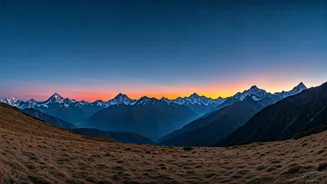
While the British influence is undeniable, Shimla is a thoroughly Indian city with its own rich cultural fabric. You can see it at the Jakhu Temple, perched on the city’s highest peak and dedicated to the Hindu deity Hanuman. Reaching it involves a brisk hike or a scenic cable car ride, and the reward is not just spiritual solace but also the best views of the surrounding Himalayan ranges. The temple is home to a colossal 108-foot-tall statue of Hanuman, a vibrant orange landmark visible from many parts of the city.
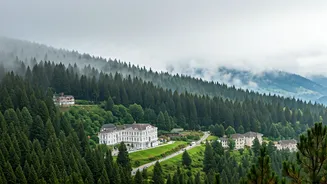
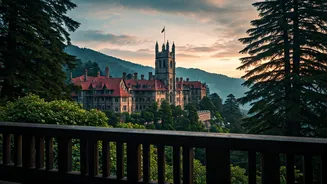
Further exploration reveals the Viceregal Lodge, a magnificent Scottish Baronial mansion that once housed the Viceroy of India. Now an institute for advanced study, its halls witnessed some of the most crucial decisions related to the partition of India. Touring its teak-paneled interiors is a powerful lesson in the region’s complex modern history, grounding the city's quaintness in world-changing events.