



The Golden Latte Phenomenon
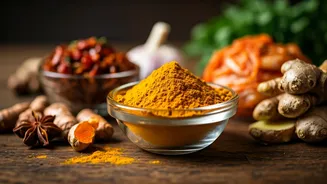
Perhaps no ingredient better illustrates this trend than turmeric. For centuries, it has been a cornerstone of South Asian cooking and Ayurvedic medicine, valued for its flavor, color, and anti-inflammatory properties. Grandmothers in India have long
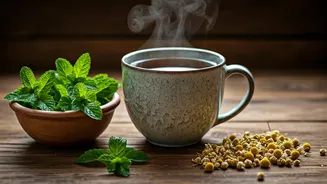
prescribed *haldi doodh* (turmeric milk) for everything from the common cold to aches and pains. Today, this humble home remedy has been rebranded as a 'golden latte,' a photogenic, premium-priced beverage served in chic cafes. The journey from a simple, potent spice to a trendy, high-margin product is a masterclass in wellness marketing. While its newfound popularity introduces turmeric's benefits to a wider audience, it often strips away the cultural context and deep-rooted knowledge that accompanied it for generations.
Gut Health's Fermented Foundations
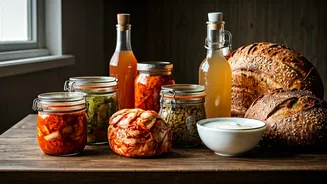
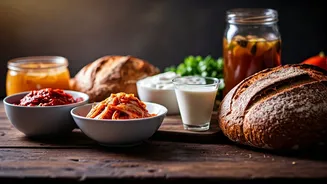
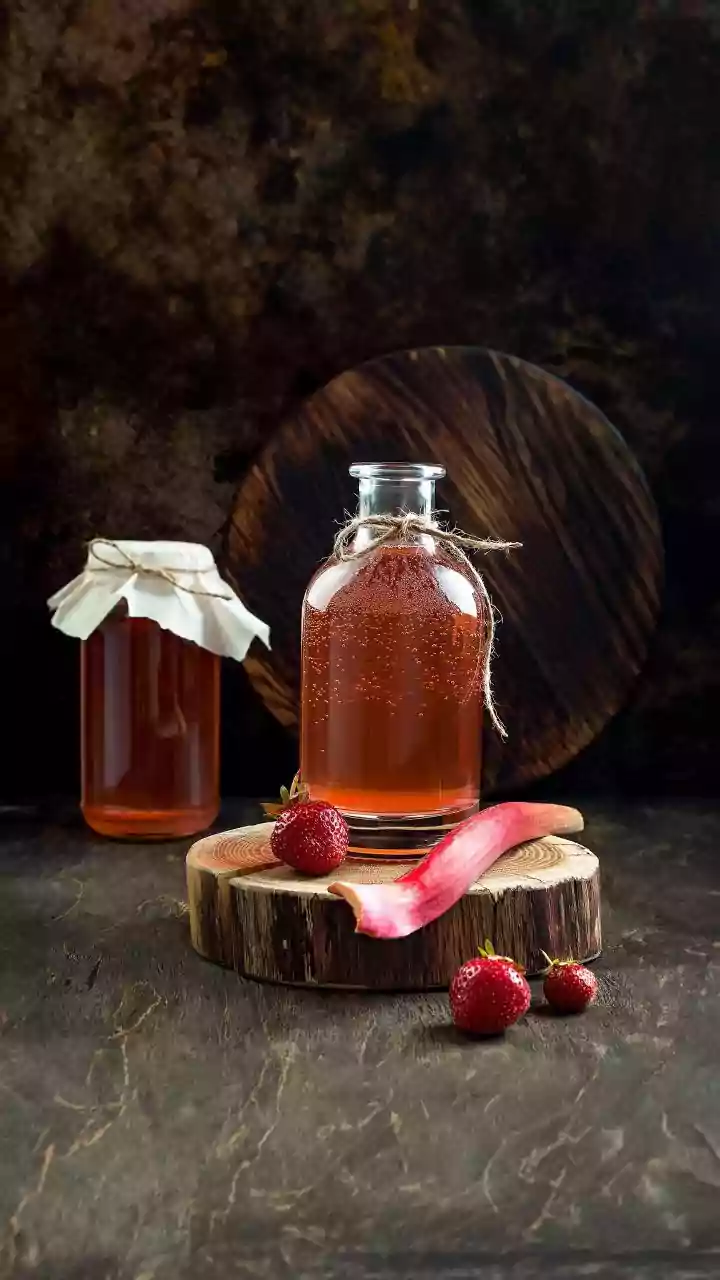
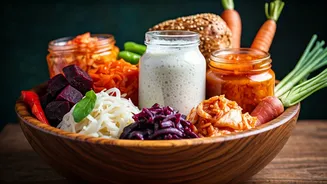
The wellness world's obsession with gut health has sent consumers searching for the next probiotic powerhouse. They found it in foods that have been fermenting in clay pots and cellars for thousands of years. Kimchi, the fiery, pungent staple of Korean cuisine, is now celebrated on wellness blogs for its live cultures. Likewise, kefir, a fermented milk drink with origins in the Caucasus Mountains, and kombucha, a tea with roots in ancient China, are now staples of the refrigerated section at Whole Foods. These foods were developed out of a necessity for preservation long before refrigeration. They are integral parts of a meal, not just a supplemental 'gut shot.' Their transformation into high-end health products marks a significant cultural and commercial shift, where the focus moves from communal food tradition to individualized health optimization.
Simmering Down to Basics
Bone broth is another perfect example. For countless generations across numerous cultures, from Asia to Europe to the Americas, simmering leftover bones with vegetable scraps was a frugal way to extract every last bit of flavor and nutrition. It was the base of soups, stews, and gravies—a humble, resourceful kitchen practice. Fast forward to today, where artisanal bone broth is sold by the cup for a premium, marketed as a collagen-rich elixir for joint health and glowing skin. The act of slowly simmering bones, once a symbol of thrift and making the most of what you have, is now a boutique wellness ritual. This rebranding obscures the broth's universal, economical roots, turning a peasant staple into a luxury good.
Appreciation or Appropriation?
The core tension of this trend lies between cultural appreciation and appropriation. On one hand, the global popularity of these foods can be a form of exchange, celebrating the wisdom of traditions that have long been overlooked by Western science and commerce. It can create new economic opportunities for producers and introduce people to delicious, nourishing foods. On the other hand, the benefits rarely flow back to the origin cultures. Instead, the narratives are often rewritten, the prices inflated, and the context erased. The wellness industry has a habit of 'discovering' ancient practices and rebranding them, often without giving credit or understanding the original significance. It presents a sanitized, simplified version that is easier to market and sell, but poorer in meaning.