



From Kibble to Cuisine
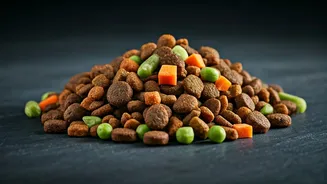
Not long ago, dog food was simple. You bought a big bag of brown pellets from the grocery store, and that was that. Today, the market is flooded with options that look more like they belong in a high-end health food store. This shift is part of a larger
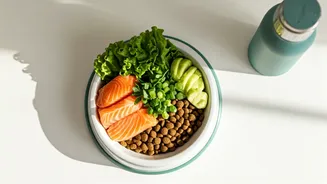
trend known as the "humanization" of pets. As more Americans, particularly millennials, view their pets as full-fledged family members, they've started applying their own wellness philosophies to their furry companions. If you’re eating paleo, why shouldn’t your dog have a diet inspired by its wolf ancestors? If you’re avoiding gluten, shouldn’t your dog’s food be grain-free? This logic has fueled a multi-billion dollar premium pet food industry. Brands now use emotionally resonant language—'farm-raised,' 'instinctive,' 'whole prey'—to appeal to owners who want to provide the absolute best for their four-legged children. It’s less about just feeding an animal and more about curating a wellness lifestyle for them.
The Protein-Packed Promise
At the heart of this trend is the high-protein diet. The marketing is compelling: dogs descended from wolves, and wolves are carnivores, so a diet packed with meat must be what’s natural and healthiest for them. These formulas often minimize or eliminate traditional grains like corn and wheat, replacing them with legumes like peas, lentils, and potatoes to maintain the kibble's structure and provide carbohydrates. But while dogs are in the order Carnivora, they are not obligate carnivores like cats. Over thousands of years of domestication, dogs have evolved to digest starches quite efficiently. While protein is an essential nutrient, the 'more is better' philosophy isn't necessarily backed by science for the average, moderately active house pet. Many high-protein diets provide far more than the standard nutritional requirements, and unless a dog has specific needs, like a highly active working dog, that excess protein is often just converted into calories or excreted.
A Serious Health Warning
The move toward these new formulas took a genuinely serious turn in 2018. The U.S. Food and Drug Administration (FDA) announced it was investigating a potential link between certain diets—many of them labeled 'grain-free' and high in legumes—and a canine heart condition called dilated cardiomyopathy (DCM). DCM is a disease of the heart muscle that can lead to congestive heart failure and death. What alarmed veterinarians was that DCM was appearing in breeds not typically genetically prone to it. The common thread seemed to be their diet. While the FDA has not yet established a direct cause-and-effect relationship, the correlation has been significant enough to prompt warnings from veterinary cardiologists and nutritionists. The concern is that ingredients like peas, lentils, and other legumes, when used as a primary ingredient, may interfere with the dog's ability to absorb or process essential nutrients like taurine, which is critical for heart health. This investigation put a sobering check on the grain-free craze, proving that well-intentioned dietary choices could have unintended, serious consequences.
Cutting Through the Marketing Noise
So, how does a loving dog owner navigate this confusing landscape? Most veterinary nutritionists advise a return to fundamentals. Instead of focusing on buzzy marketing terms like 'ancestral' or 'grain-free,' they suggest focusing on the expertise behind the food. They recommend choosing a brand that adheres to the guidelines set by the World Small Animal Veterinary Association (WSAVA). These guidelines encourage owners to ask key questions: Does the company employ a full-time, qualified nutritionist? Do they conduct feeding trials to test their formulas on real dogs? Do they own their manufacturing plants and conduct rigorous quality control? Often, the long-established 'big' brands (like Purina, Hill's, and Royal Canin) are the ones that meet these scientific standards, while some smaller, 'boutique' brands do not. The takeaway isn't that grains are good and legumes are bad, but that nutritional science is complex. The safest bet is to trust the companies investing in research, not just marketing, and to have a conversation with your own veterinarian about your dog's specific needs.