






The Scotland of India
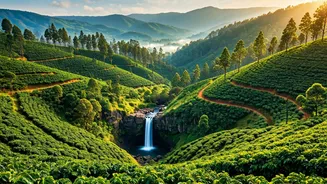
First, let’s get our bearings. Coorg, or Kodagu as it's officially known, is a hilly, green-drenched district in the state of Karnataka. Tucked into the Western Ghats, a mountain range recognized as a UNESCO World Heritage Site, its rolling landscapes,
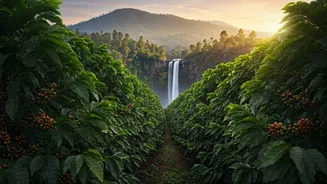
cool climate, and misty valleys have earned it the nickname “the Scotland of India.” But while the comparison evokes images of rugged beauty, Coorg’s soul is distinctly its own, shaped by the Kodava people and their deep connection to the land. This isn't a land of sprawling cities. It’s a patchwork of dense forests, spice gardens, and, most famously, vast coffee plantations that climb up the hillsides. The air here, even on a dry day, carries the faint, sweet scent of pepper vines, cardamom, and blooming coffee blossoms. It’s a place that asks you to slow down, to breathe deeply, and to simply look around. And when the monsoon arrives, it transforms from beautiful to utterly magical.
When the Rain Begins to Fall
The Indian monsoon isn’t a gentle shower; it's a dramatic, season-defining event. From roughly June to September, the skies open up. But in Coorg, this isn't a gloomy affair. It’s a performance. The first sign is the mist that rolls in, thick and cool, obscuring the valleys and wrapping around the trees like a soft blanket. It muffles the world, creating a sense of intimate seclusion. Then comes the rain itself. It can be a relentless downpour that drums a hypnotic rhythm on the terracotta-tiled roofs of local homes, or a soft, persistent drizzle that seems to hang in the air. The soundscape is a symphony: the steady beat of the rain, the chorus of croaking frogs, the rush of newly awakened streams. It’s a cleansing, all-encompassing sound that washes away the noise of modern life, leaving only the primal pulse of nature.
A World Washed Anew
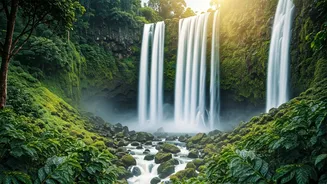
The romance of Coorg’s monsoon lies in how it awakens the senses. The parched earth releases a rich, loamy fragrance known as petrichor, mingling with the sharp, clean scent of wet pine and eucalyptus. The color palette of the landscape deepens into a thousand shades of impossible green. Every leaf glistens, dripping with life. This is when the region’s waterfalls, which may be mere trickles in the dry season, become thundering spectacles. Visiting Abbey Falls or Iruppu Falls during the monsoon means witnessing nature at its most powerful and unrestrained—a humbling and awe-inspiring sight. Driving along the winding roads, you’re enveloped in clouds, with visibility sometimes dropping to just a few feet. It feels less like driving and more like floating through the sky. Pulling over at a viewpoint like Raja’s Seat in the town of Madikeri, you might not see a panoramic vista but rather a swirling sea of white mist, a moment of pure, quiet poetry.
The Comfort of a Cozy Corner
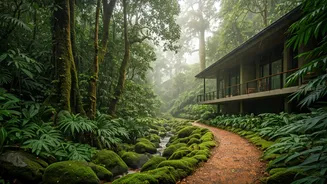
Perhaps the most romantic part of the experience is the contrast between the wild, wet world outside and the warmth within. The monsoon season is the perfect excuse for coziness. Picture this: you’re curled up on a veranda overlooking a coffee estate, a mug of locally grown, freshly brewed coffee in your hands. A slight chill is in the air, just enough to make you pull a shawl a little tighter. The rain is falling steadily, and you have nowhere to be and nothing to do but watch, listen, and sip. This is also a time to indulge in Kodava cuisine, which is hearty and flavorful. A warm plate of *pandi* curry (a local pork dish) or bamboo shoot curry provides the perfect comfort against the damp weather. It’s about finding pleasure in simple things: a hot drink, a good book, the company of a loved one, and the mesmerizing theater of the rain outside your window. It strips away distraction and fosters connection—with nature, with others, and with yourself.