






Why This Trend Is Taking Root
If you’ve noticed your social media feeds filling up with vibrant balcony gardens and clever container hacks, you might be witnessing a global phenomenon with deep roots in India. A new wave of digital content—from slick YouTube tutorials to beautifully
curated Instagram accounts—is being driven by Indian horticultural experts and enthusiasts. Their advice is resonating far beyond the subcontinent, particularly with American urbanites. Why now? The appeal lies in the context. India’s botanists and gardeners have centuries of experience cultivating plants in diverse, often challenging climates and, more recently, in some of the world's most densely populated cities. Their techniques are inherently resourceful, space-efficient, and tailored to getting the most out of every square inch. This isn't about sprawling lawns; it's about practical, productive, and beautiful gardening on patios, windowsills, and rooftops. The result is a treasure trove of knowledge that feels perfectly suited to the modern American apartment-dweller or small-home owner.
Lesson 1: Embrace Frugal Innovation
A core principle making this content so popular is the philosophy of 'Jugaad'—a Hindi word for ingenious, frugal innovation. It’s about making do with what you have. Instead of expensive, specialized equipment, these guides champion a more resourceful approach. Think repurposed plastic bottles as self-watering planters, old buckets for growing potatoes, and bamboo sticks for trellises. For American gardeners often faced with the high cost of entry at specialty stores, this is a liberating concept. It shifts the focus from buying gear to creatively solving problems. The lesson isn't about being cheap; it's about being clever and sustainable. Before you buy a new pot, look around your home. That old colander, cracked mug, or takeout container might just be your next planter.
Lesson 2: Grow for Flavor First
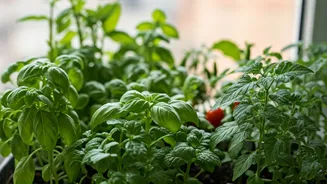
While ornamental plants are lovely, much of the Indian urban gardening movement is centered on a kitchen-first mentality. The goal is to grow what you love to eat. This has led to a surge in Americans learning to cultivate ingredients central to Indian and other South Asian cuisines right on their windowsills. Think pots of fresh curry leaves, vibrant turmeric and ginger with their lush foliage, and a variety of chilies ranging from mild to fiery. These plants are often surprisingly easy to grow in containers and provide a direct, flavorful link between your garden and your plate. It’s a shift from gardening as a purely aesthetic hobby to one that is productive and deeply rewarding, inspiring you to try new recipes and connect with your food on a deeper level.
Lesson 3: Master High-Density Planting
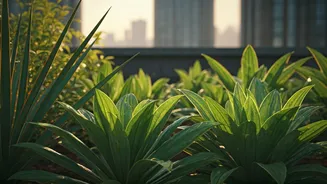
When space is at a premium, every inch counts. Indian urban gardeners are masters of maximizing small plots. Their viral guides are filled with techniques for high-density planting that Americans are eagerly adopting. One popular method is intercropping, or companion planting, where mutually beneficial plants are grown close together. For example, planting marigolds among tomato plants can help deter pests naturally. Another key strategy is going vertical. Instead of spreading out, you build up, using wall-mounted planters, tiered shelves, and hanging baskets to create a living wall of herbs and vegetables. This approach not only increases your potential yield but also creates a stunning visual effect, transforming a barren balcony into a lush, green retreat.
Lesson 4: Use Natural and Traditional Solutions
There’s a strong emphasis on working with nature, not against it. Many of the techniques highlighted draw from traditional Ayurvedic and agricultural practices that prioritize ecological balance. This means a heavy focus on organic methods. You'll see guides on creating rich compost from kitchen scraps, avoiding chemical fertilizers in favor of natural amendments like compost tea or cow dung manure (or its modern equivalent). For pest control, the first line of defense is often a simple, homemade solution. A spray made from neem oil, a product of the Indian lilac tree, is a classic example of a powerful, all-natural insecticide and fungicide. This back-to-basics approach appeals to a growing desire for healthier, more sustainable living, ensuring the food you grow is as clean as it is fresh.