




What Does 'Doing More' Mean?
You’ve probably seen it without even realizing it. The smoothie with 'brain-boosting' adaptogens, the salad dressing made with 'gut-friendly' probiotics, or the burger that proudly proclaims its plant-based origins save X gallons of water. This is the new
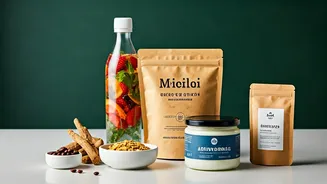
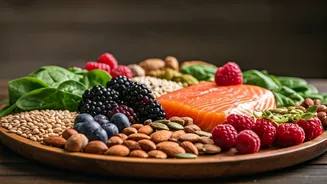
frontier of dining: food that comes with a built-in bonus feature. It’s not just about calories or flavor; it's about performance, wellness, and ethics. This trend, often called 'functional food,' treats every ingredient as an opportunity to provide something extra. Diners are no longer just looking for a meal; they're seeking an upgrade—for their body, their mind, or their conscience. And restaurants, from fast-casual chains to high-end bistros, are listening.
The Gut Health Revolution
Perhaps the most visible part of this trend is the obsession with gut health. The gut has been rebranded from a simple digestive tract to the body's 'second brain,' responsible for everything from immunity to mood. As a result, ingredients that support a healthy microbiome are everywhere. Fermented foods have moved from the niche to the mainstream, with kimchi, sauerkraut, and kefir appearing in everything from grain bowls to tacos. Kombucha, the fizzy fermented tea, isn't just sold in bottles anymore; it’s on tap at bars and cafes. Dishes are now actively promoted for their prebiotic content (foods that feed good bacteria, like garlic and onions) and probiotic punch. This isn’t about a bland, medicinal approach; chefs are finding creative, delicious ways to make digestive wellness a key part of the dining experience.
Food for Your Brain
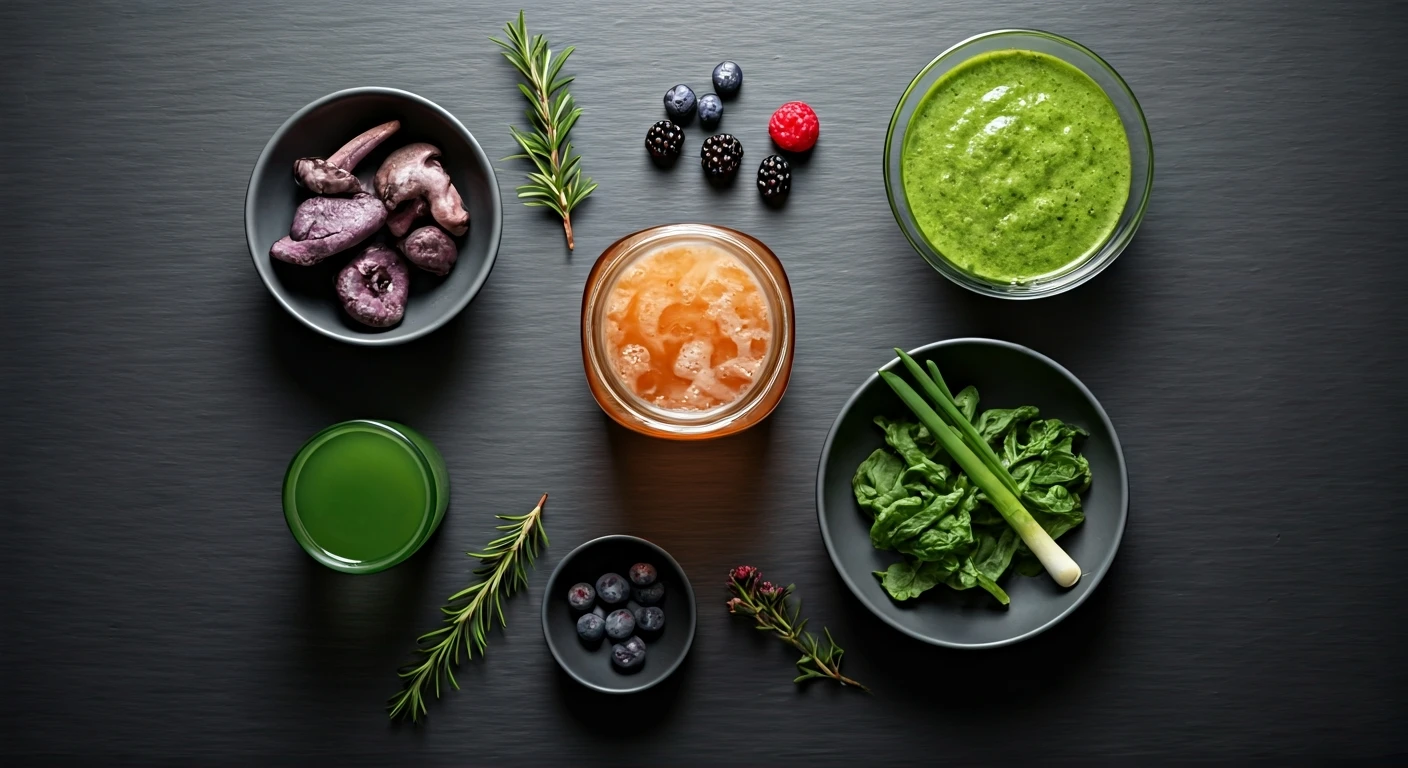
If the gut is the 'second brain,' then what about the first one? Another fast-growing category of functional foods targets cognitive performance and mental well-being. Enter adaptogens and nootropics—terms that sound like they belong in a Silicon Valley lab but are now showing up in your morning latte. Adaptogens are herbs and mushrooms, like ashwagandha and reishi, believed to help the body manage stress. Nootropics, like Lion's Mane mushroom and L-theanine (found in green tea), are substances thought to enhance focus and cognitive function. Coffee shops are offering mushroom coffee blends that promise 'focus without the jitters.' Snack bars include ashwagandha to help you 'unwind.' It’s a reflection of a culture grappling with burnout, seeking solutions not in a pill, but on a plate.
Eating for the Planet
Food 'doing more' isn't just about personal health; it's also about planetary health. For a growing number of consumers, a meal's value is tied to its environmental and ethical footprint. This has fueled the explosion in high-quality, plant-based alternatives that promise the taste and texture of meat without the associated carbon footprint. But it goes deeper than just Impossible Burgers. Menus now highlight partnerships with local, regenerative farms that improve soil health. Restaurants are embracing 'root-to-leaf' cooking to minimize food waste. And the story behind an ingredient—whether it’s sustainably caught salmon or fair-trade coffee—has become a powerful selling point. In this context, the food 'does more' by aligning the diner's consumption with their values, making them feel good about their choice in a way that goes beyond taste.