



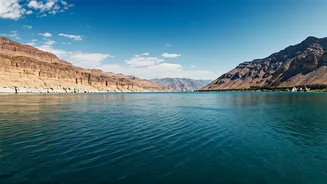
Journey to the Land of High Passes
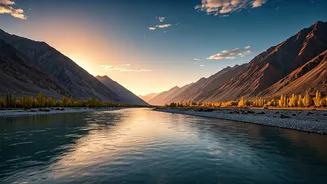
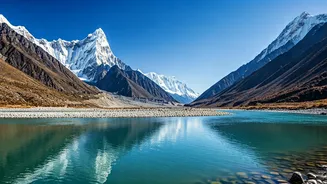
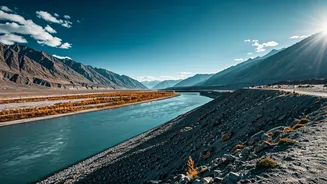
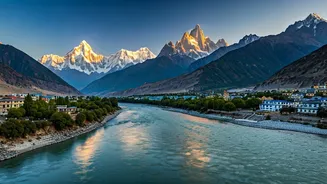
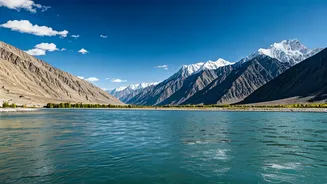
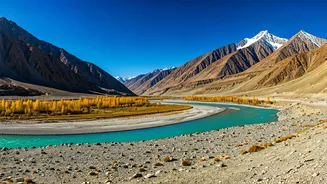
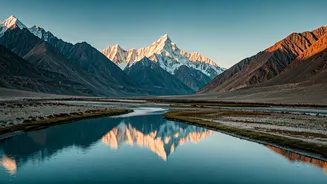
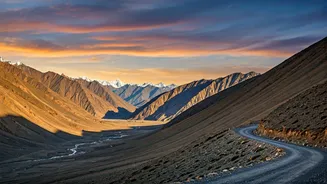
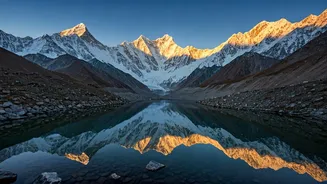
Before you can understand the festival, you have to understand the place. Ladakh, a remote region nestled high in the Indian Himalayas, is often called “Little Tibet” for its stark, breathtaking beauty and deep-rooted Buddhist culture. It’s a high-altitude
desert of sweeping plains, dramatic river valleys, and ancient monasteries clinging to cliffsides. Getting here is an adventure in itself. Most visitors fly into Leh, the region’s capital, landing at one of the highest commercial airports in the world at over 11,500 feet. The thin air is the first thing you notice—a constant reminder that you are in a different world, where life moves at a more deliberate pace. For adventure travelers, Ladakh is a bucket-list destination for trekking, motorbiking, and spiritual exploration. But for a few days every year, it hosts an event that adds another layer of profound cultural meaning to its landscape.
A Festival Born from a River
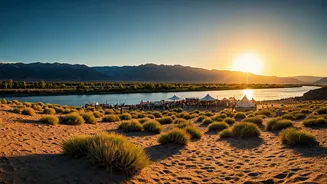
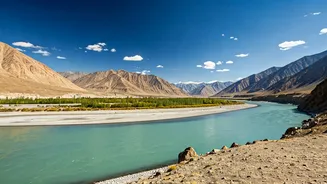
At the heart of the excitement is the Sindhu Darshan Festival. In Sanskrit, ‘Sindhu’ is the name for the Indus River, one of the great waterways of Asia, and ‘Darshan’ means to see or behold, often in a sacred context. The festival, therefore, is a celebration of this life-giving river, which originates in Tibet, flows through Ladakh, and continues down into Pakistan. While the river has been revered for millennia, the modern festival is a relatively new phenomenon, established in 1997. Its stated purpose is to promote national integration and communal harmony, using the Indus as a symbol of India's shared cultural heritage. Every year around the full moon in June, people from all corners of India gather on the riverbanks near Leh to pay their respects. It's a vibrant spectacle that honors not just the water, but the idea of unity in a country of immense diversity.
A Microcosm of India
The Sindhu Darshan Festival is far more than a somber religious ceremony. It’s a three-day explosion of color, music, and dance. Artists and cultural troupes from various Indian states perform, showcasing a dazzling array of folk traditions against the stunning backdrop of the Himalayas. Participants bring water from their home rivers in earthen pots and ceremoniously immerse them in the Indus, symbolizing the meeting of India’s diverse cultures. The air fills with the sound of prayers, traditional music, and the excited chatter of thousands of visitors. For an American traveler, it offers a rare opportunity to witness a microcosm of Indian culture in one of the world's most dramatic settings. It’s a gathering that is simultaneously a patriotic event, a spiritual pilgrimage, and a vibrant cultural fair.
The High-Altitude Reality Check
The “massive wave” of travel the festival sparks is very real for this remote region. Flights to Leh are booked solid, and hotels and guesthouses overflow with pilgrims and tourists. This annual influx transforms the otherwise quiet mountain town. For anyone planning to join, the biggest challenge isn't the crowds, but the altitude. Acclimatization is non-negotiable. Medical experts and seasoned travelers alike advise spending the first 24 to 48 hours in Leh doing as little as possible to allow your body to adjust to the low oxygen levels. Ignoring this can lead to Acute Mountain Sickness (AMS), a serious condition that can ruin a trip. Drinking plenty of water, avoiding alcohol, and taking it slow are essential. This required pause becomes a blessing in disguise, forcing you to sync with the rhythm of the mountains before diving into the festival’s energetic celebrations.