







The Rise of the Pet-Conscious Plant Parent
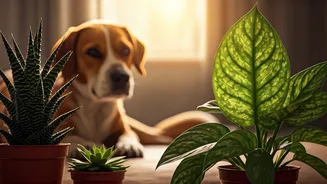
First, take a deep breath. While it’s true that many popular houseplants are toxic to cats and dogs, creating a harmonious, pet-safe environment is easier than you think. The key is knowledge and strategy. The American Society for the Prevention of Cruelty
to Animals (ASPCA) maintains extensive lists of toxic and non-toxic plants, which are invaluable resources. The concern isn't just about preventing a life-threatening emergency; even mild reactions like an upset stomach or skin irritation are worth avoiding for your pet’s comfort. By being mindful about what you bring into your home and where you place it, you can confidently enjoy the benefits of indoor gardening without compromising your pet's well-being.
The 'Yes' List: Stylish and Safe Houseplants
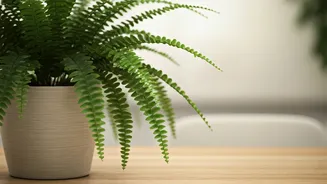
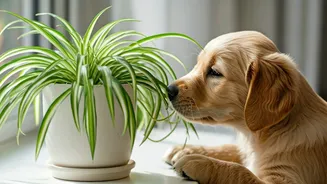
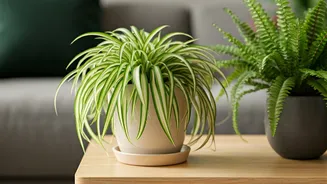
Ready for the fun part? Shopping for new plants. These popular and stylish options are completely non-toxic to cats and dogs, so you can add them to your collection worry-free. * **Spider Plant (Chlorophytum comosum):** This retro classic is famously resilient and a powerful air purifier. Its cascading 'pups' are perfect for hanging baskets, keeping them playfully out of reach. * **Calathea Varieties (Prayer Plant, Rattlesnake Plant):** Known for their stunning, ornate foliage that moves with the light, Calatheas are a beautiful and completely safe choice. * **Parlor Palm (Chamaedorea elegans):** If you want a tropical vibe, this elegant, slow-growing palm is your answer. It's low-maintenance and thrives in indirect light, making it perfect for apartment dwellers. * **Money Tree (Pachira aquatica):** Often braided and seen as a symbol of good fortune, the Money Tree is non-toxic and adds a touch of sculptural interest to any room.
The 'Caution' List: Common but Toxic Plants
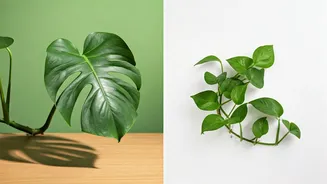
Awareness is your best defense. Many of the most popular 'it' plants on social media are unfortunately hazardous for pets. If you have these, consider re-homing them or ensuring they are absolutely inaccessible. * **Lilies (Lilium species):** Extremely toxic to cats. Even a small amount of pollen or water from the vase can cause fatal kidney failure. All cat owners should avoid bringing true lilies into their home. * **Sago Palm (Cycas revoluta):** This trendy plant is severely toxic. All parts are poisonous, with the seeds being the most dangerous, and can cause liver failure and death. * **Snake Plant (Dracaena trifasciata):** While only mildly toxic, chewing on this incredibly popular plant can cause nausea, vomiting, and diarrhea. * **Pothos & Philodendron:** These trailing beauties contain calcium oxalate crystals, which cause intense oral irritation, pain, swelling of the mouth, and vomiting if ingested.
Strategy 1: Think Vertically and Isolate
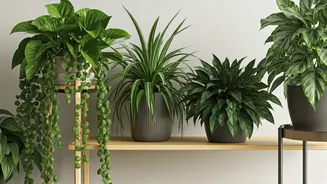
You don't necessarily have to get rid of a plant that poses a mild risk, but you do have to be smart about its placement. The best strategy is to keep plants out of your pet's reach. Think vertically. Use hanging planters that keep trailing vines far from the floor. Place smaller pots on high, sturdy shelves that your cat can't access. You can also consolidate your plants into a single room that is off-limits to your pets, creating a dedicated 'greenhouse' that keeps everyone safe. This strategy allows you to enjoy a wider variety of plants while maintaining a secure environment for your four-legged companion.
Strategy 2: Distract and Deter
Sometimes, a pet's interest in plants comes from boredom. Ensure they have plenty of other stimulating toys and activities. You can also try redirecting their plant-chewing instincts by offering them their own 'pet-approved' garden. Grow a small pot of cat grass (which is typically a mix of oat, rye, or wheatgrass) or catnip. These are safe, healthy, and can satisfy their urge to nibble on greenery. For plants you want them to avoid, you can use pet-safe deterrent sprays with bitter tastes. A little strategic redirection can go a long way in training your pet to leave your decorative plants alone.
Know the Signs of an Emergency
Even with the best precautions, accidents can happen. Be familiar with the signs of plant poisoning in pets, which can include drooling, vomiting, diarrhea, lethargy, difficulty breathing, or seizures. If you suspect your pet has ingested a toxic plant, don't wait. Immediately call your veterinarian, a local emergency vet clinic, or the ASPCA Animal Poison Control Center at (888) 426-4435. Taking a photo of the plant or bringing a sample with you can help with identification and treatment.