
Moving Beyond the 'Curry' Myth
Let’s be honest: for many Americans, the concept of “Indian food” has been a monolith. It’s often reduced to a handful of rich, creamy, Mughlai-inspired dishes served in countless restaurants from New York to Los Angeles. While delicious, this perception
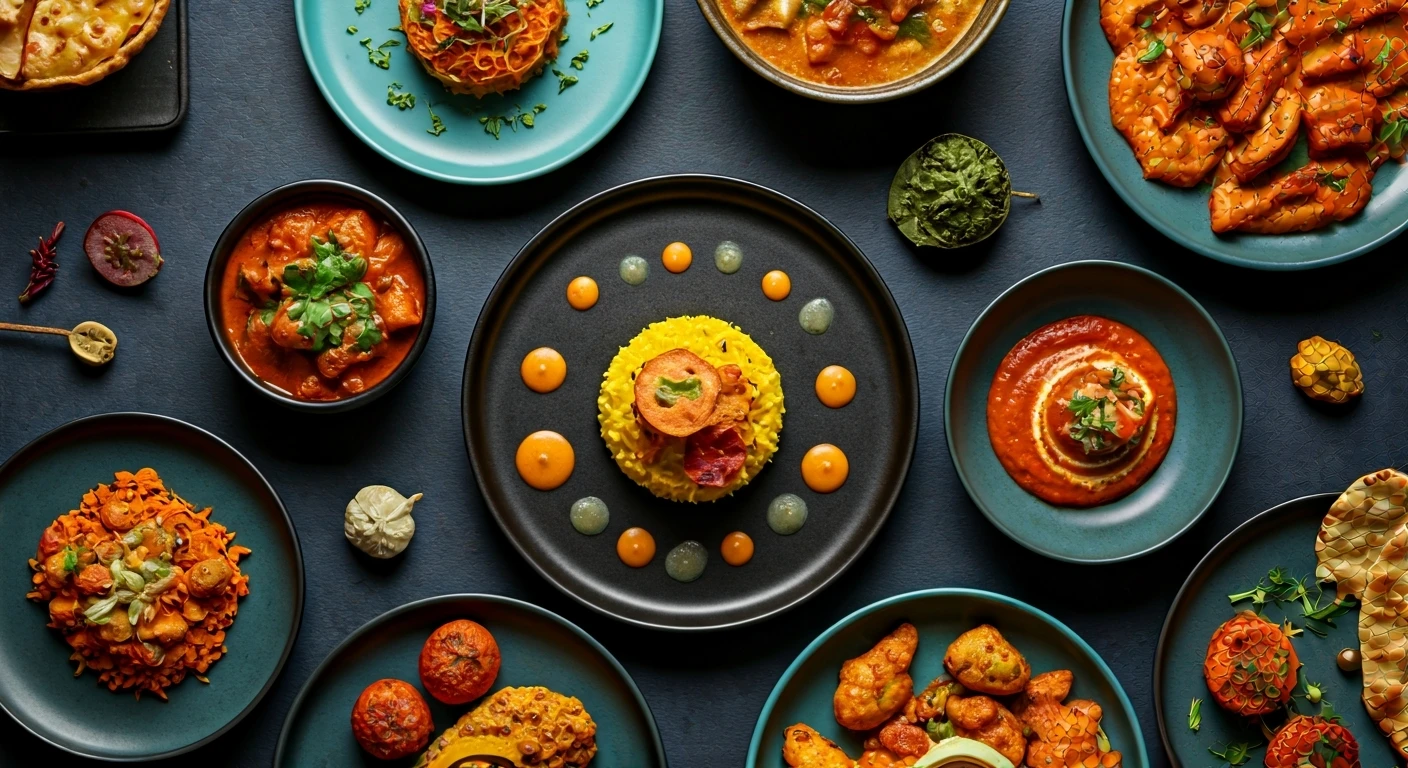
is about as accurate as saying American food is just burgers and fries. India is a subcontinent with dozens of distinct regional cuisines, each with its own ingredients, techniques, and flavor profiles shaped by centuries of history, climate, and culture. The food of coastal Kerala, with its coconut and seafood, is worlds away from the mustard-oil-laced dishes of Bengal or the hearty, rustic fare of Punjab. For years, fine dining in India's top hotels often meant serving French or Italian food, operating under the assumption that local cuisine wasn't sophisticated enough for a high-end experience. A new generation of chefs is not just challenging that assumption—they are demolishing it.
The New Guard of Indian Chefs
This transformation is being led by a wave of chefs who are combining international training with a deep passion for their own culinary heritage. They aren't just cooking old recipes; they're acting as culinary archaeologists, researchers, and artists. Chefs like Manish Mehrotra of Indian Accent in New Delhi (often called the godfather of modern Indian food) have been pioneers, playfully reinterpreting nostalgic flavors with global techniques. At Mumbai’s Masque, which won the title of The Best Restaurant in India from Asia's 50 Best Restaurants, the focus is on hyper-local, seasonal ingredients, with a tasting menu that celebrates the bounty of the Himalayas and other overlooked regions. Meanwhile, chefs like Garima Arora, the first Indian woman to win a Michelin star for her Bangkok restaurant Gaa, have brought that same innovative spirit back to India with restaurants that champion forgotten grains and complex fermentation methods. They are creating a new grammar for Indian food—one that is rooted in tradition but speaks a contemporary, global language.
What's Actually on the Plate?
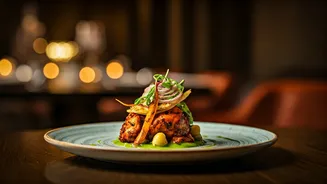
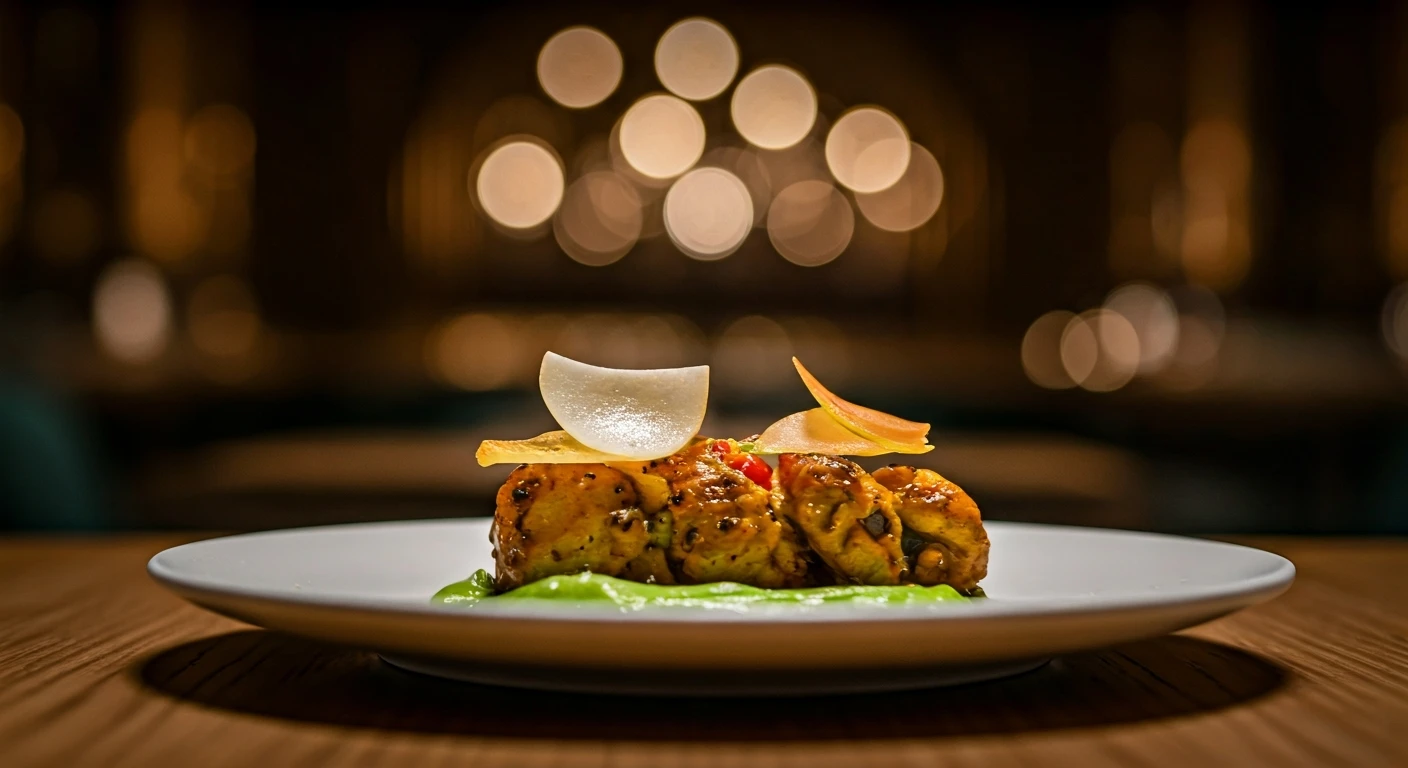
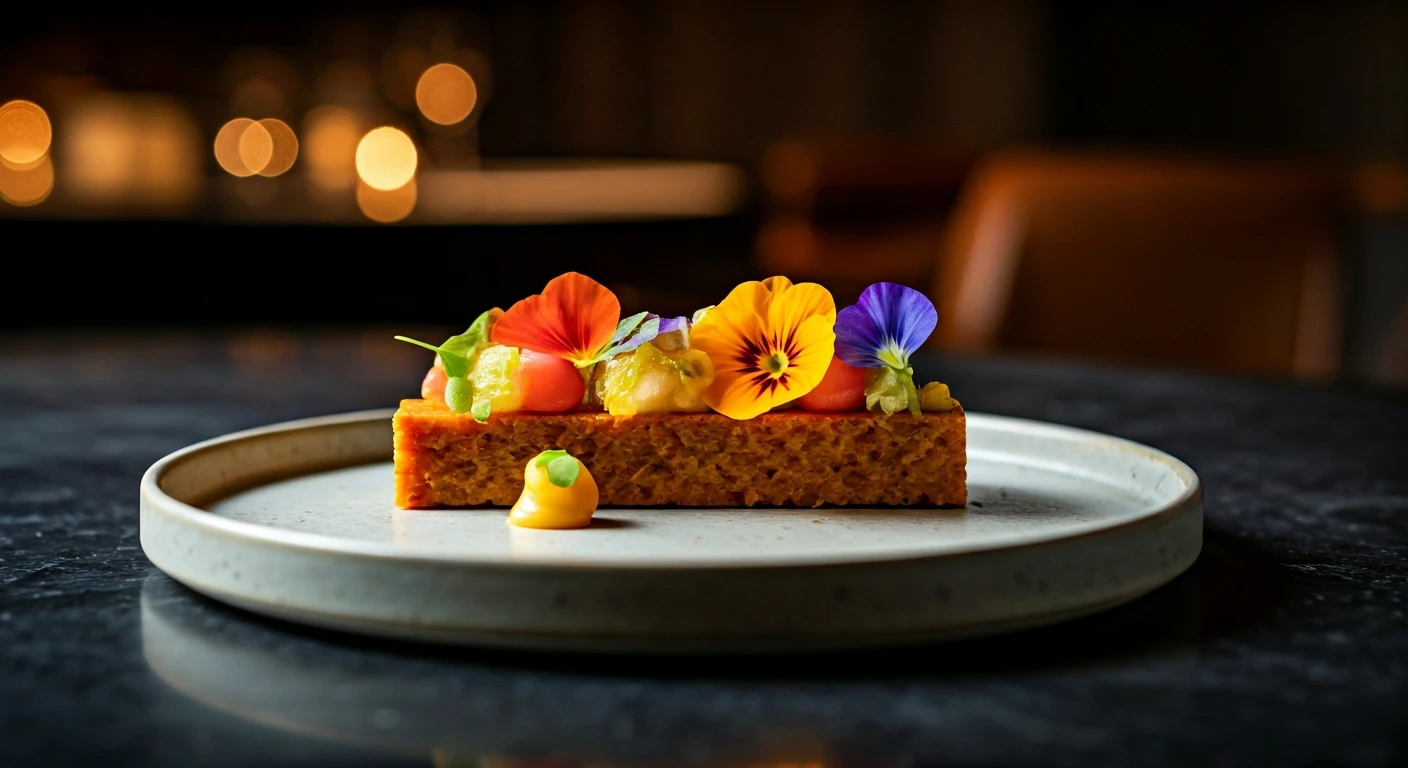
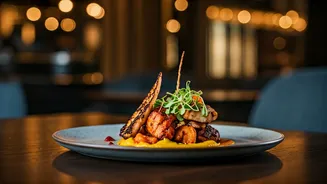
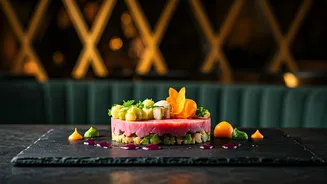
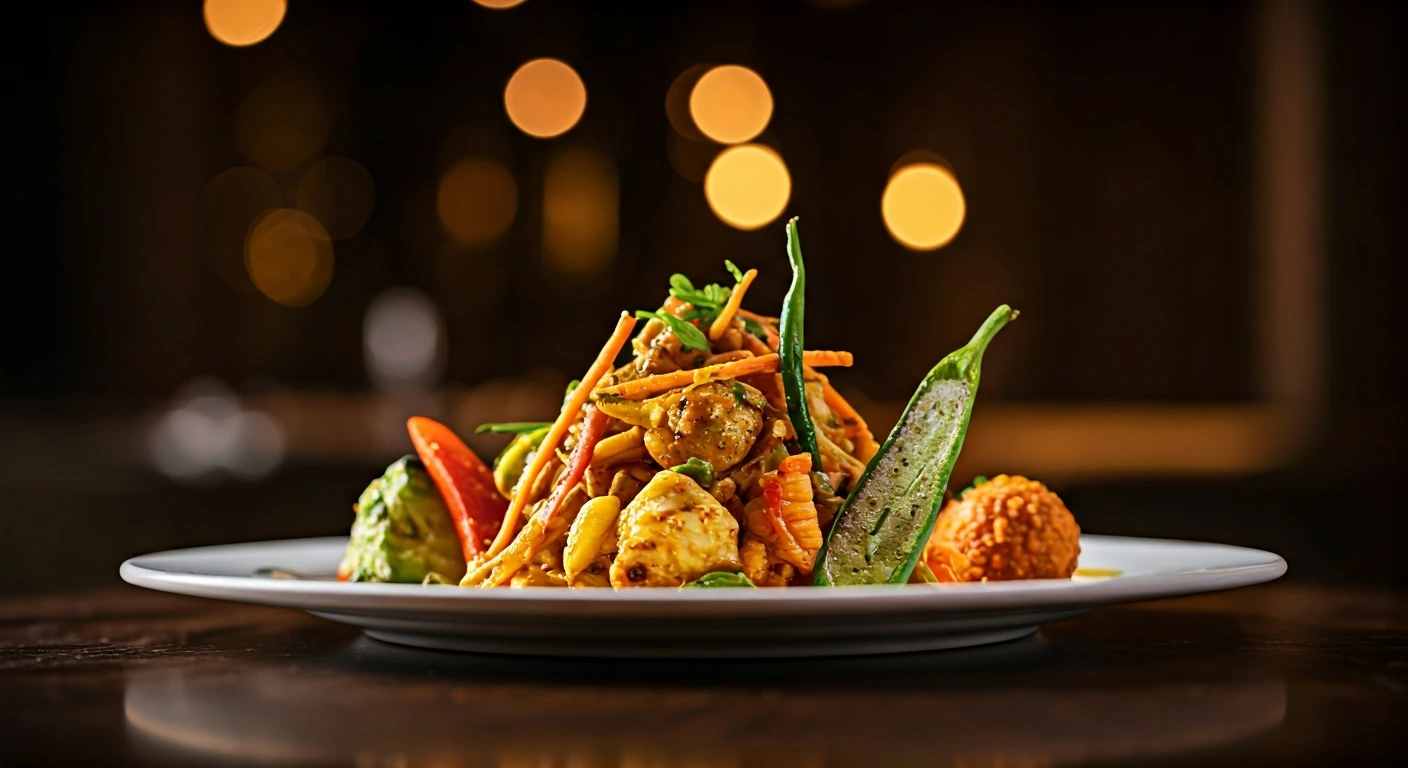
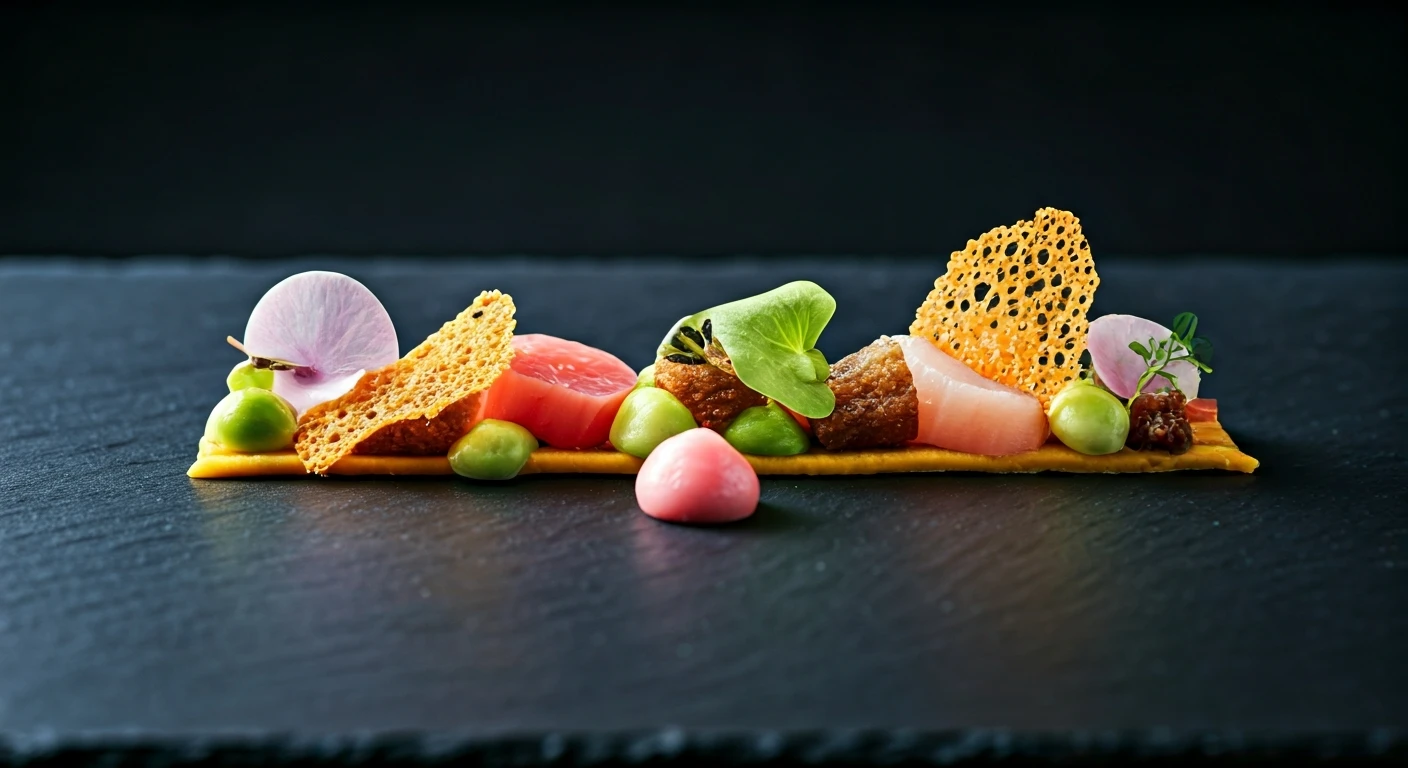
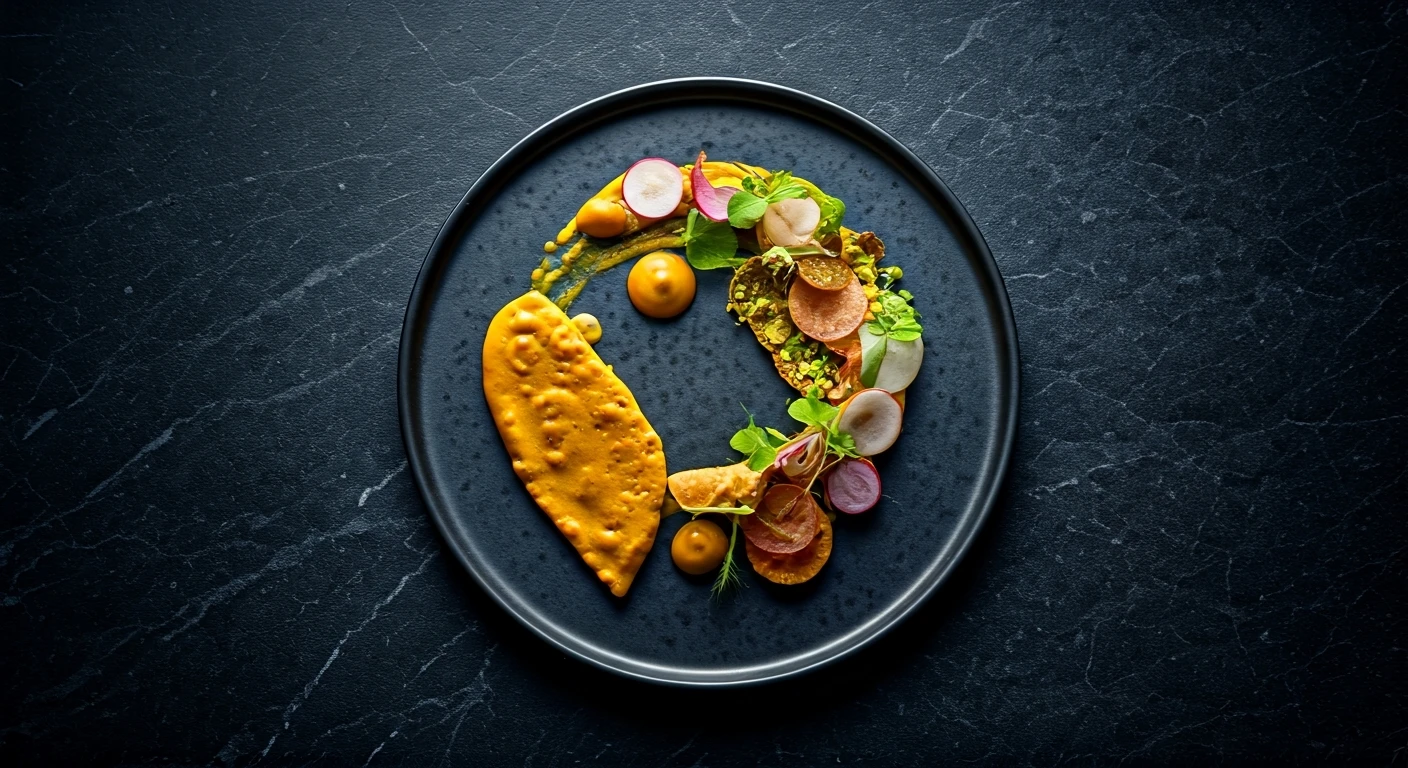
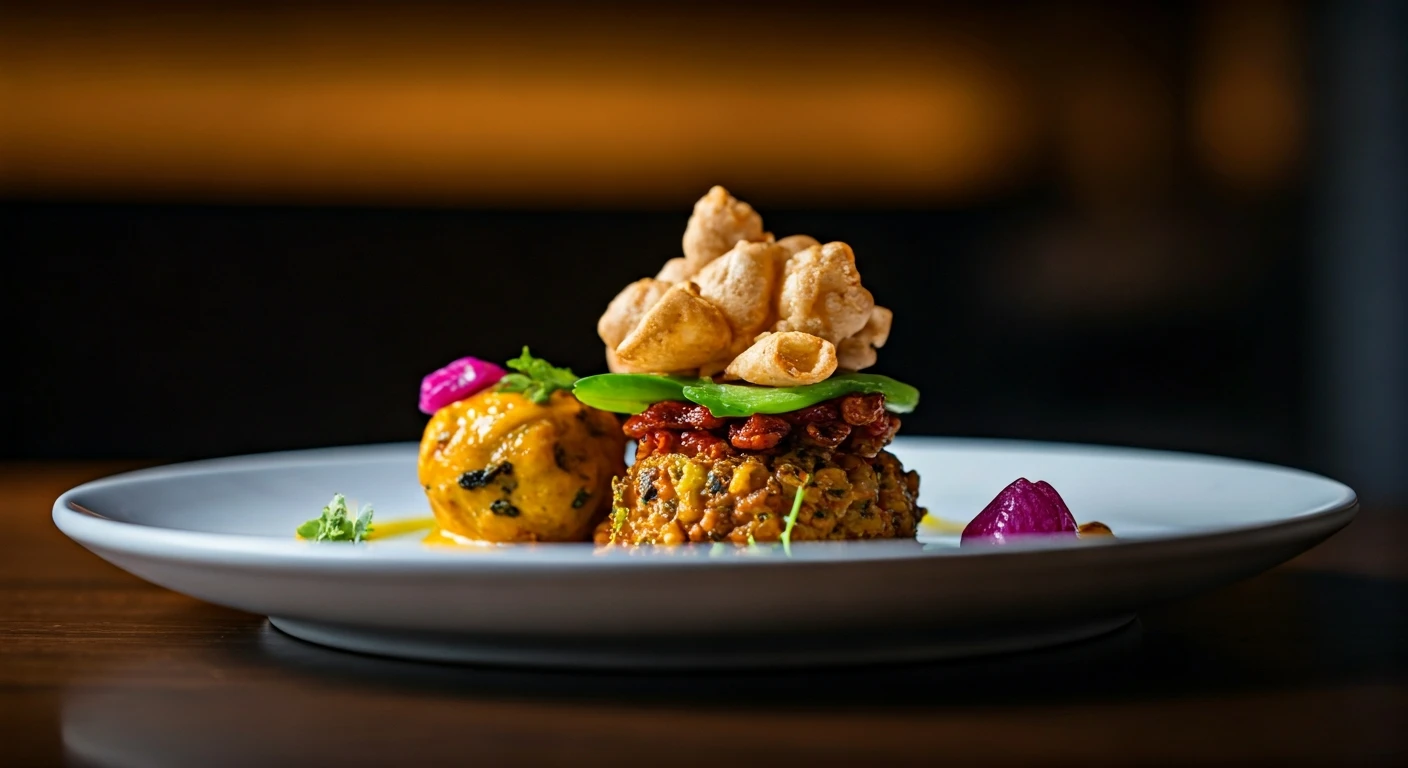
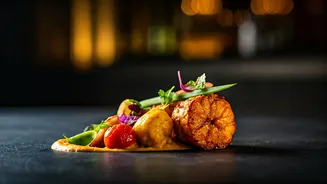
So, what does this new fine dining look like? Forget the all-you-can-eat buffet. Think 10-course tasting menus that tell a story. Instead of a generic 'vegetable korma,' you might find a delicate dish featuring foraged sea buckthorn from Ladakh or a dessert made with black lemons from the Himalayas. At Indian Accent, you might eat blue cheese-stuffed naan or pulled pork phulka tacos. At Avatara in Dubai, which just earned two Michelin stars, Chef Rahul Rana serves an entirely vegetarian menu that elevates simple produce into edible art. These restaurants are ingredient-obsessed. Chefs and their teams embark on sourcing trips across the country, building relationships with small farmers, foragers, and tribal communities to unearth ingredients that have been lost to mainstream commercial agriculture. The experience is about discovery, both for the diner and the chef. It’s a journey through the landscape of India, served on a plate.
The World Finally Takes Notice
This movement is no longer a local secret. The ultimate arbiters of global gastronomy have taken note. The prestigious Michelin Guide, after years of overlooking the subcontinent, finally launched in India, awarding stars to restaurants in Goa and Kerala, and its influence is expanding. More telling are the annual rankings from The World's 50 Best and Asia's 50 Best Restaurants, where Indian restaurants are not just appearing but climbing the ranks. Indian Accent has been a fixture, and restaurants like Masque have gained significant international acclaim. This recognition is more than just a pat on the back. It validates the idea that Indian cuisine can be as refined, complex, and innovative as French, Japanese, or Nordic food. It draws international tourists, boosts culinary pride, and inspires the next generation of chefs to look inward for inspiration instead of outward.