






Myth: Older Bodies Are Too Fragile for Weights
For decades, the prevailing advice for seniors was to “take it easy.” The fear was that strenuous activity, especially lifting weights, could lead to injury. But modern science has flipped that script entirely. The real danger isn't lifting; it's inactivity.
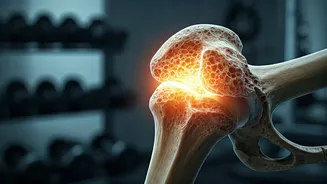
As we age, we naturally lose muscle mass and bone density in processes known as sarcopenia and osteoporosis. This gradual weakening is what leads to frailty, instability, and a higher risk of falls and fractures. Resistance training is the single most effective tool to combat this. When you challenge your muscles, you’re not just building strength; you’re sending a powerful signal to your body to reinforce itself. Studies consistently show that supervised strength training helps older adults increase bone mineral density, effectively making their skeletons stronger and more resilient. It’s not about becoming a bodybuilder; it’s about building a more robust, injury-resistant body for the years ahead.
Reality: Strength Is About Function, Not Just Muscle
The goal of lifting weights after 60 isn't necessarily about aesthetics. It’s about function. It’s about the strength to lift a grandchild, carry groceries up a flight of stairs, get up from a chair without assistance, or travel with confidence. This is what experts call “functional fitness”—having the physical capacity to handle daily life with ease and independence.
Everyday movements are compound exercises in disguise. Pushing a lawnmower, hoisting a suitcase into an overhead bin, or even gardening requires a combination of strength, balance, and coordination. Weight training directly improves all of these. Exercises like squats build leg power for standing and walking, while rows and presses strengthen the back and shoulders for pulling and pushing. Far from being an isolated gym activity, strength training is a direct investment in your autonomy and quality of life.
Myth: It’s Too Late to See Real Results
A common misconception is that after a certain age, the body simply stops responding to exercise. This couldn't be further from the truth. While muscle-building potential may decrease slightly compared to a 20-year-old, the body’s ability to adapt and grow stronger remains remarkably intact throughout life. This principle is called neuroplasticity—the ability of our nervous system to forge new connections.
When you start lifting, your initial gains are largely neurological. Your brain gets better at recruiting muscle fibers and coordinating movement, which is why you feel stronger even before you see significant muscle growth. From there, the muscles themselves begin to repair and grow. Numerous studies have documented significant strength gains in men and women in their 70s, 80s, and even 90s who begin a consistent resistance program. The key is not age, but consistency. Progress is always possible.
Reality: Getting Started Is Simpler Than You Think
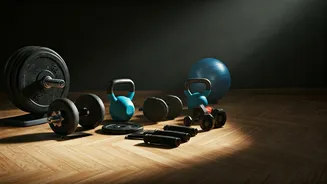
The image of a barbell loaded with heavy plates can be intimidating, but that’s not where the journey begins. Starting a strength routine is about meeting your body where it is right now. For many, that means beginning with no weight at all. Bodyweight exercises like chair squats (sitting down and standing up from a sturdy chair), wall push-ups, and step-ups are fantastic for building a solid foundation.
From there, light resistance bands offer a safe way to add challenge. The next step might be a pair of light dumbbells or a class designed for seniors. The most important first step, however, is to consult a doctor or physical therapist, especially if you have pre-existing conditions. They can clear you for activity and offer guidance. A qualified personal trainer with experience working with older adults can also be an invaluable resource for learning proper form and creating a safe, effective plan. The golden rule is to start slow, listen to your body, and prioritize good form over heavy weight.