

Beyond the Bustle of the Metropolis
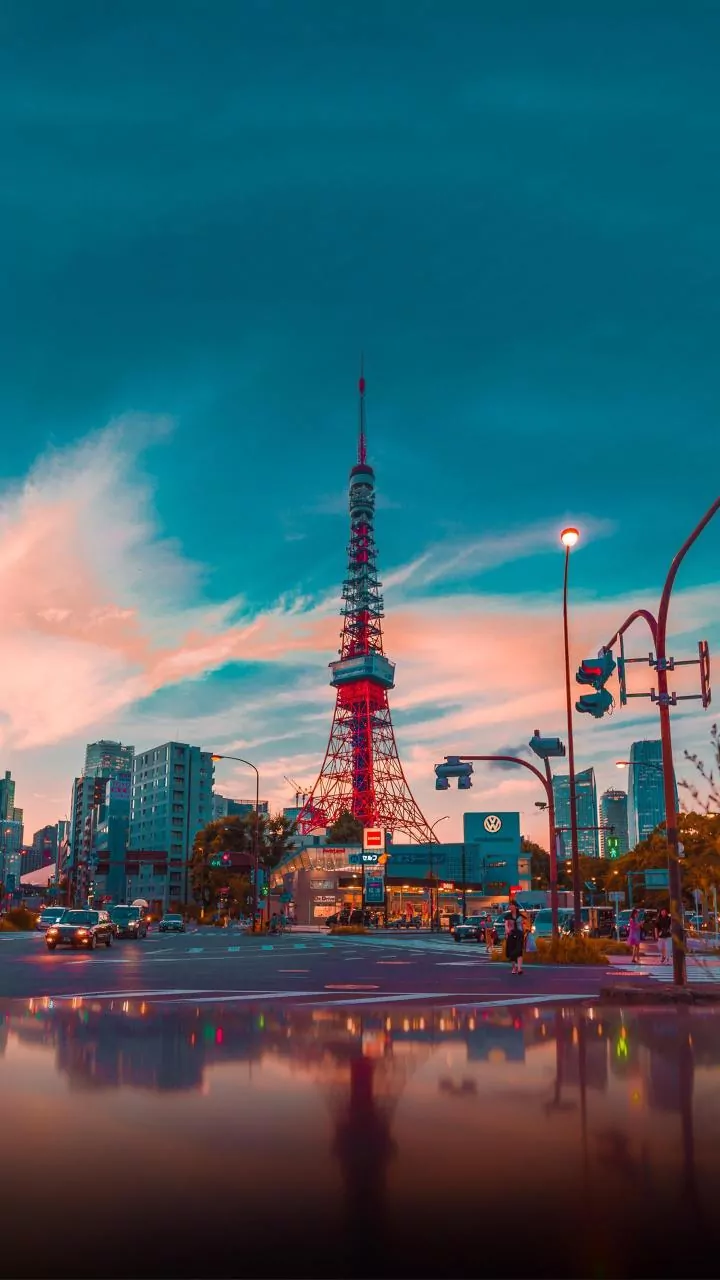
For decades, the story of South Korea sold to the world was one of explosive growth and relentless energy. From the vibrant markets of Namdaemun to the 24/7 nightlife of Gangnam, Seoul has cultivated an image as a city that never stops. While that dynamism
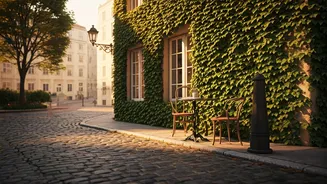
is certainly a real and thrilling part of the Korean experience, it's only half the story. The country's true, enduring charm for many visitors—and for locals themselves—is found in the moments in between. It’s discovered when you turn off the main thoroughfare into a quiet, winding alleyway, where the roar of traffic is replaced by the murmur of conversation and the gentle clinking of coffee cups. This is the other Korea, the one that doesn't shout for your attention but invites you to slow down and simply be.
The Rise of the Third Space
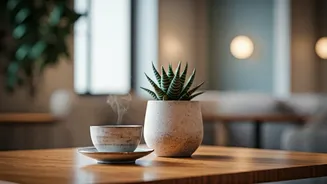
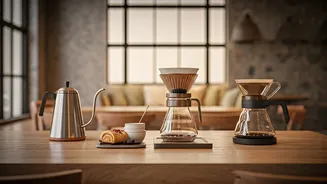
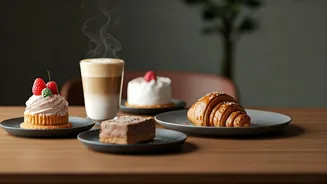
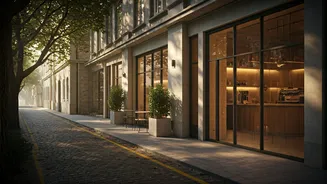
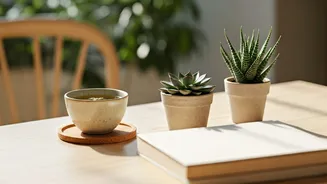
Nowhere is this culture of calm more apparent than in South Korea’s café scene, which is arguably the most sophisticated and innovative in the world. This isn't just about grabbing a quick caffeine fix. In a country where apartments are often compact and personal space is at a premium, cafés have evolved into essential “third spaces”—beautifully designed public living rooms where people study, work, socialize, and decompress. Each café is a universe unto itself. One might be a multi-story industrial warehouse with minimalist concrete walls and gallery-worthy art. Another could be a cozy, wood-paneled hideaway filled with books and vintage furniture. Others are hyper-themed, from spaces filled with cartoon characters to serene, plant-filled greenhouses. The common thread is an obsessive attention to aesthetics and atmosphere, creating pockets of tranquility that offer a deliberate escape from the pressures of modern life.
The Joy of Aimless Wandering
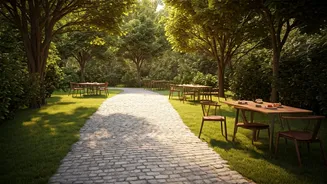
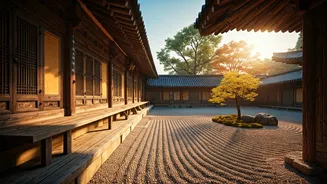
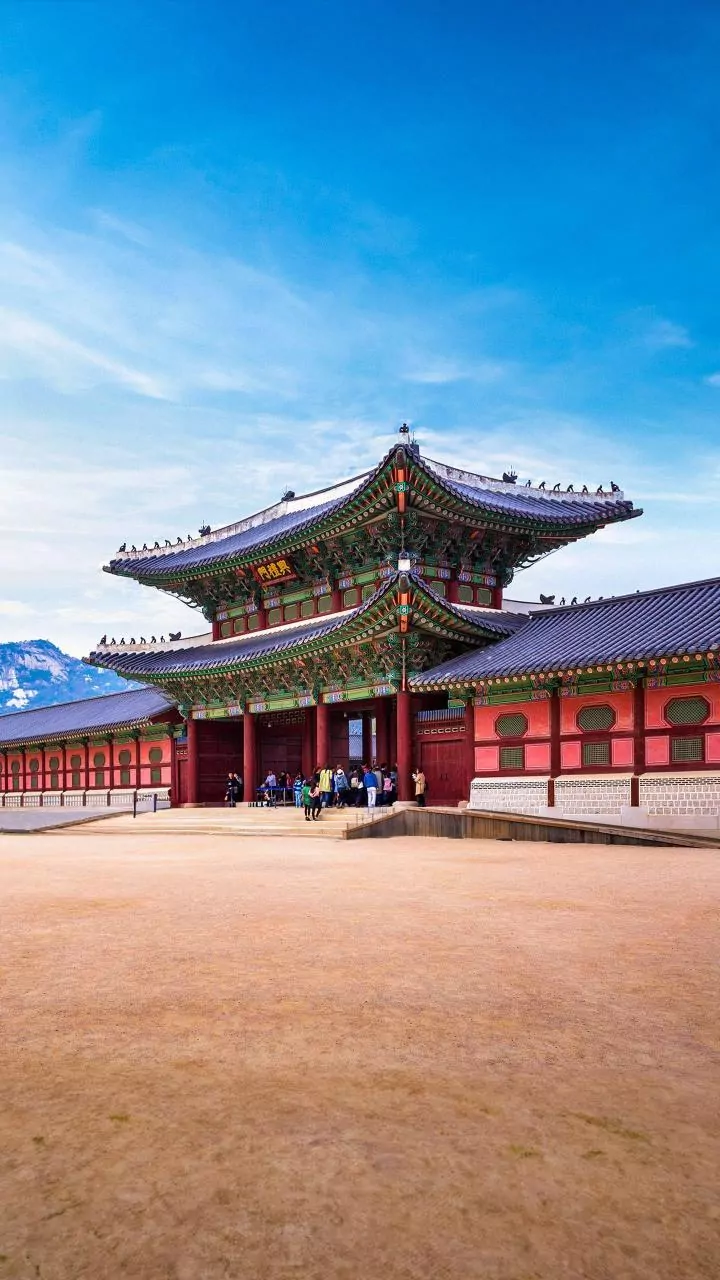
This appreciation for quietude extends beyond the café door and into the streets themselves. In Seoul, neighborhoods like Seochon, with its low-slung traditional houses (hanok) and independent art galleries, or the leafy, boutique-lined alleys of Yeonnam-dong, offer a completely different rhythm. Here, the primary activity is simply walking—a concept known as *san-chaek* (산책), which means a leisurely stroll without a specific destination. It’s on these walks that you discover the fabric of daily life: a tiny, family-run stationery shop, an elderly couple tending to their potted plants, the smell of baking bread wafting from a hidden bakery. These are not grand monuments or must-see tourist attractions. Instead, they offer something more valuable: a sense of place and a connection to the subtle, everyday beauty that defines a neighborhood.
A Different Kind of Luxury
In our hyper-connected, always-on world, the ability to find and appreciate slowness is a form of luxury. South Korea, a nation at the forefront of technology and speed, seems to understand this paradox better than most. The embrace of calm streets and contemplative cafés isn't a rejection of modernity, but a necessary counterbalance to it. For Koreans, it’s a vital part of *sohwakhaeng* (소확행)—the philosophy of finding “small but certain happiness” in everyday life. For the American traveler, it offers a refreshing alternative to the checklist-driven vacation. It’s an invitation to trade a packed itinerary for a quiet afternoon spent with a good book in a beautiful space, or to get deliberately lost in a neighborhood and see what you find. This quiet charm isn’t an absence of things to do; it’s the main event.