



The Rain and the Craving
In South Asia, the monsoon isn't just a weather pattern; it's a cultural event. After months of scorching, dusty heat, the first downpour is a collective sigh of relief. The air cools, the smell of petrichor—rain hitting dry earth—rises, and an undeniable
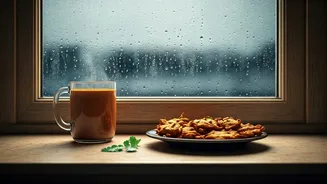
urge for specific foods kicks in. This isn't about hunger; it's about completing a sensory circuit. The cool, damp weather practically begs for the contrasting warmth of freshly fried snacks and a steaming cup of spiced tea, or 'chai'. This food tradition, born from the climate and the soul, is about connection: to the season, to family, and to a specific, irreplaceable feeling of comfort and renewal.
The Holy Trinity of Simplicity
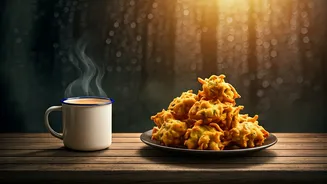
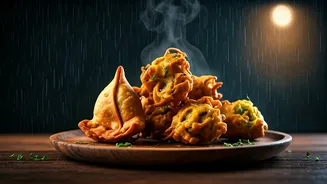
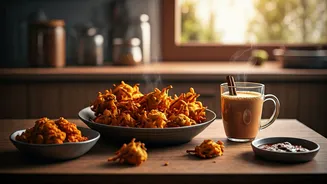
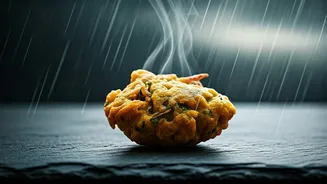
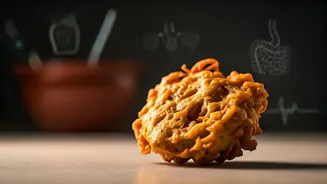
The classic monsoon snacks are masterpieces of simplicity. First, you have the pakora (or bhajiya). These are simply vegetables—onions, potatoes, spinach—dipped in a spiced chickpea flour batter and deep-fried until golden and crisp. They are imperfect, craggy, and best eaten seconds after they leave the oil, maybe with a simple chutney. Then there’s roasted corn on the cob, or 'bhutta'. Street vendors roast ears of corn over hot coals until they're lightly charred, then rub them with salt, chili, and a squeeze of lime. It’s smoky, spicy, sweet, and sour all at once. And holding it all together is masala chai: black tea brewed with milk and a fragrant blend of spices like cardamom, ginger, and cloves. This trio isn’t about culinary gymnastics; it’s about accessible, elemental satisfaction.
The Age of Culinary Overkill
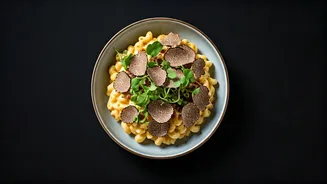
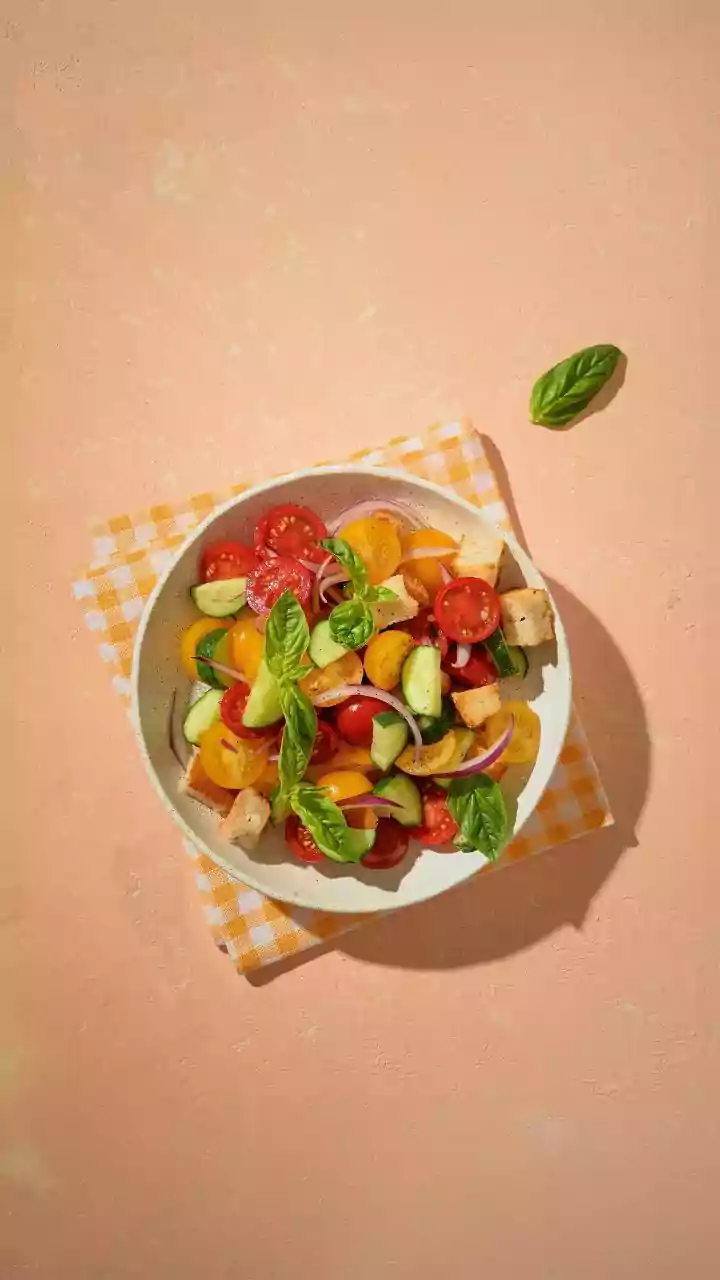
Somewhere along the line, we entered the age of overkill. The simple pakora is no longer enough. Now, it’s a 'deconstructed fritter' with a kale-and-quinoa base, served with an avocado-cilantro foam. That humble corn on the cob has been reimagined as 'elote-style bhutta' smothered in three kinds of cheese, truffle mayonnaise, and edible glitter. Chai is no longer just chai; it's a dirty-chai-oat-milk-latte with lavender-infused syrup. This isn't innovation; it's an assault. Every dish seems to be vying for an Instagram post, loaded with so many competing flavors and textures that the original point is completely obliterated. The goal has shifted from evoking a feeling to performing a caricature of 'gourmet.' This maximalist approach strips these snacks of their soul, trading quiet comfort for loud, empty spectacle.
Finding the Feeling Again
The argument here isn't against creativity. Food evolves. The problem is when evolution forgets its roots. The magic of a monsoon snack isn't in the complexity of its ingredients, but in its context. It's the sound of rain drumming on the window while oil sizzles in a pan. It's huddling under a vendor’s small tarp, shielding your roasted corn from the downpour. It's the warmth of a chai cup in your hands on a gray afternoon. These foods are a direct line to a specific, cherished emotion. By piling on unnecessary ingredients and fussy techniques, we aren't elevating the dish; we are burying the feeling. The 'sense' the headline calls for is a return to this understanding—that sometimes, the most profound culinary experiences are the simplest ones, because they leave room for memory, weather, and life to be the main ingredients.