



The Old Guard of Comfort Food
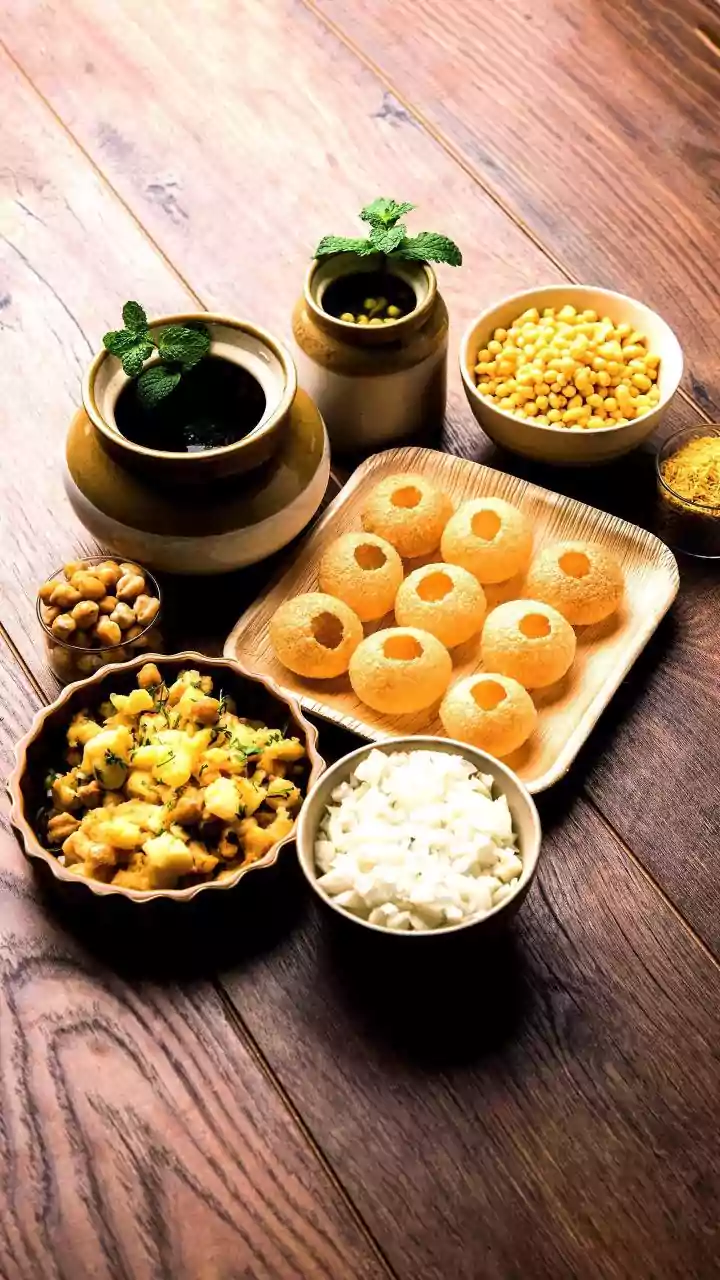
For decades, the Indian snack market has been a story of tradition, indulgence, and nostalgia. It’s a world dominated by titans like Haldiram's and Lays, offering a vast array of fried, salty, and sweet treats—from savory 'namkeen' mixes to classic potato
chips and biscuits. These aren't just foods; they're cultural touchstones, deeply woven into the fabric of daily life, from afternoon tea breaks to festive celebrations. The appeal is undeniable: they are delicious, affordable, and universally available. For generations, this was the unchallenged definition of a snack—a small, comforting indulgence, with nutrition rarely being the primary consideration.
Enter the New, Conscious Consumer
So, what changed? A new consumer emerged. India's millennials and Gen Z, particularly in urban centers, are a different breed. Armed with global exposure via the internet, higher disposable incomes, and a post-pandemic surge in health awareness, they began asking different questions. They started reading labels, questioning ingredients like refined sugar and palm oil, and seeking out foods that do more than just satisfy a craving. This isn't just about weight loss; it’s a holistic view of wellness. This digitally-savvy generation grew up watching global wellness trends unfold on Instagram and is now demanding a similar standard at home. They want their snacks to be functional, clean, and transparent, and they’re willing to pay a premium for it.
What 'Wellness-Led' Actually Means
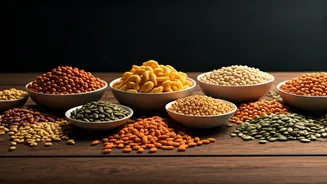
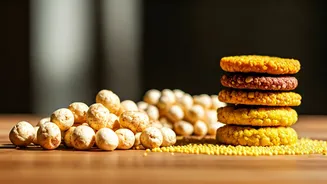
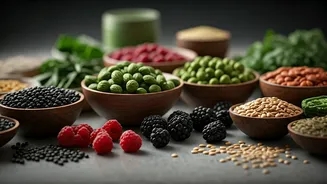
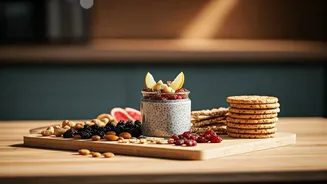
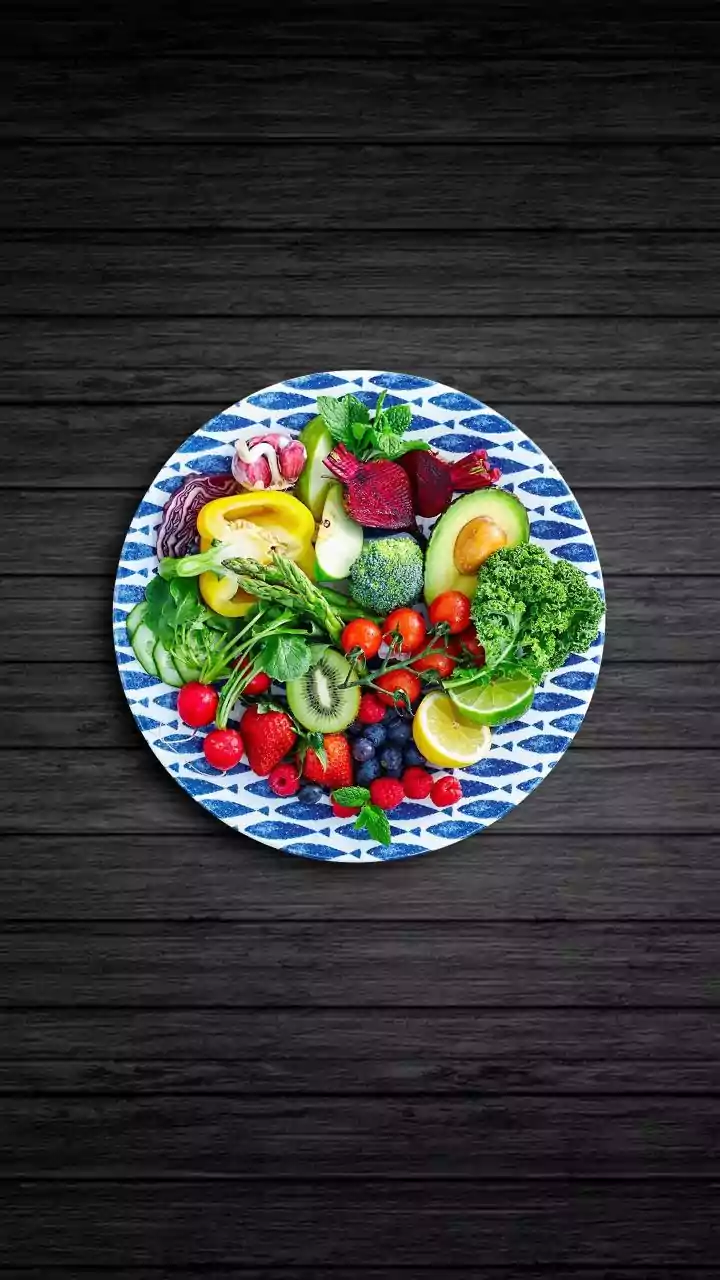
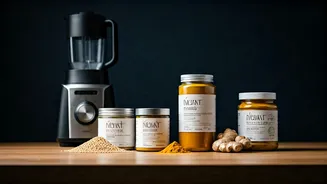
The term 'healthy snack' in this new Indian context goes far beyond 'low-calorie.' It represents a fundamental shift in ingredients and philosophy. Instead of refined flour, brands are using nutrient-dense alternatives like oats, ragi (finger millet), and jowar (sorghum). Sugar is being replaced with dates, jaggery, or stevia. Protein is a massive selling point, with countless brands launching protein bars, powders, and even 'protein water.' You'll find baked (not fried) vegetable crisps, granola made with ancient grains, and nut butters without added oils or sugar. Brands like The Whole Truth, Slurrp Farm, and Yoga Bar have become pioneers, building their identity around radical transparency. Their marketing isn't just about the final product; it’s about proudly showing their short, simple ingredient lists.
The Direct-to-Consumer Revolution
This movement couldn't have happened a decade ago. The secret ingredient powering this boom is the direct-to-consumer (D2C) business model. Instead of fighting for shelf space against corporate giants in thousands of tiny neighborhood stores, these new brands went straight to their customers online. They built communities on Instagram, used influencers to tell their story, and sold their products through their own websites and large e-commerce platforms like Amazon. This digital-first approach allowed them to educate consumers about their value proposition, control their brand narrative, and build a loyal following without the massive overhead of traditional distribution. It's a playbook that mirrors the success of D2C darlings in the U.S., but adapted for the unique scale and speed of the Indian digital ecosystem.
A Market in Transformation
While traditional snacks still command the lion's share of India's multi-billion dollar snack market, the wellness segment is the fastest-growing part of it. This explosive growth hasn't gone unnoticed. The legacy players are now scrambling to catch up, launching their own 'healthier' product lines and even acquiring successful D2C startups to get a piece of the action. What began as a niche trend for affluent city-dwellers is slowly trickling down and becoming more mainstream. Supermarket aisles are now starting to reflect this shift, with dedicated sections for healthy and organic options. The success of these wellness-led snacks signals a profound and likely permanent change in the Indian consumer's palate and priorities.