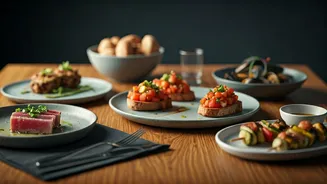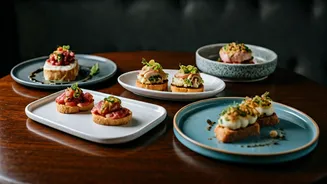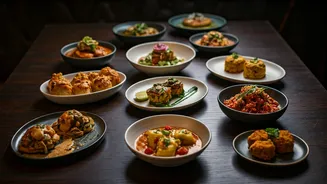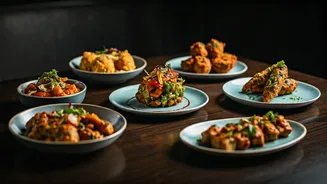




So, What Exactly Is Variety-First Dining?
Think of it less as a type of restaurant and more as a mindset. Variety-first dining champions breadth over depth on a single plate. It’s the rejection of the traditional appetizer-entrée-dessert formula in favor of a more fluid, exploratory meal. This
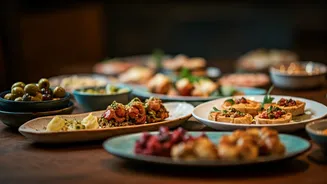
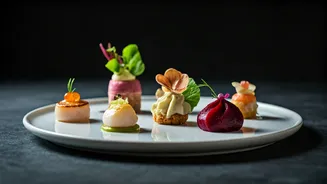
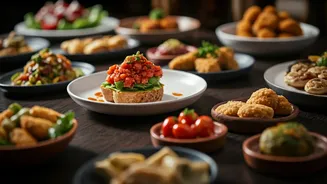
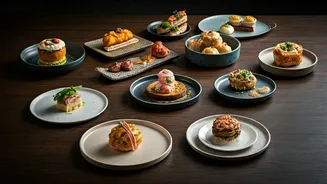
philosophy manifests in several ways you might already recognize: the unstoppable rise of tapas and small plates, the curated chaos of modern food halls, and the immersive journey of a chef’s tasting menu. At its core, this is dining as discovery. Instead of committing to one large portion and hoping you chose wisely, you’re encouraged to sample, share, and graze. It’s a meal built from a collection of moments and flavors, rather than a single, monolithic dish. The goal is no longer just to be full, but to be intrigued, surprised, and to leave feeling you’ve had a true culinary experience, not just a transaction.
The Forces Driving the Shift
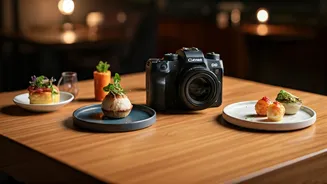
This isn’t happening in a vacuum. Several cultural and technological currents are pushing us toward this new mood. First, there’s the undeniable influence of social media. The 'TikTok-ification' of our lives means we consume content in short, varied bursts—and our appetites are following suit. A meal composed of five different, visually appealing small plates is infinitely more 'grammable' and engaging than a single piece of salmon with asparagus.
Second, we’re battling decision fatigue and a serious case of FOMO (Fear Of Missing Out). In a world of infinite choice, the pressure to pick the “perfect” dish can be surprisingly stressful. Variety-first concepts cleverly solve this. A tasting menu takes the decision out of your hands entirely, while a table full of shared small plates ensures you won’t miss out on that amazing thing your friend ordered. Finally, after years of pandemic-induced isolation, there’s a deep yearning for communal, interactive experiences. Passing plates, discussing flavors, and building a meal together is a fundamentally more social act than eating your own entrée in relative silence.
The Food Hall's Glow-Up
Nowhere is the variety-first ethos more obvious than in the evolution of the food hall. Once relegated to sad mall basements with greasy chains, the modern food hall is a curated culinary destination. Think less Sbarro, more 'acclaimed local chef’s new experimental taco concept.'
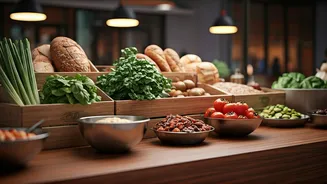
These polished, energetic spaces are designed for the variety-seeking diner. A group of friends can descend on a food hall and satisfy every craving simultaneously. One person can grab a wood-fired Neapolitan pizza, another can get hand-pulled noodles, and a third can indulge in a gourmet lobster roll. They all get exactly what they want, yet they still share the same table and the same experience. It’s the ultimate expression of personalized variety within a communal setting, and it’s a model that’s proving wildly successful in cities across the U.S.
Your Table Is the New Tasting Menu
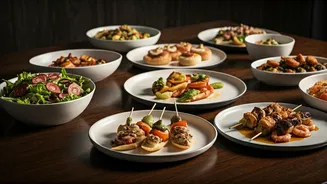
While food halls offer variety across vendors, a growing number of traditional restaurants are building it into their own menus. The 'small plates' section is no longer an afterthought for appetizers; for many on-trend spots, it *is* the menu. Chefs are designing dishes specifically for sharing, creating a progression of flavors meant to be experienced by the whole table.
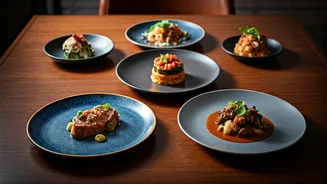
This approach gives chefs more creative freedom, allowing them to experiment with new ingredients and techniques on a smaller, lower-risk scale. For diners, it turns the table into a personal tasting menu. You and your companions become the curators of your own meal, ordering waves of two or three dishes at a time. This interactive, leisurely pace transforms dinner from a simple necessity into an evening’s main event.