



Your Ride Got a Serious Glow-Up
Remember when the only eco-friendly car option was a quirky, slightly underpowered vehicle that screamed “I make compromises”? Those days are gone. The electric vehicle revolution has moved from the niche to the mainstream, driven by a simple, powerful
force: people want them. Automakers like Tesla, Rivian, and Lucid didn't just build electric cars; they built fast, beautiful, tech-forward status symbols that happen to have no tailpipe. Now, legacy giants from Ford (with its Mustang Mach-E and F-150 Lightning) to Hyundai and Kia are pouring billions into creating EVs that are not only practical but also genuinely cool. The conversation has shifted from “range anxiety” to head-turning design and exhilarating zero-to-60 times. Choosing an EV is no longer a virtuous sacrifice; for a growing number of Americans, it’s an upgrade.
Dinner Is No Longer a Punishment
The era of the dry, crumbly veggie burger is mercifully over. The new frontier of climate-smart eating is defined by science, flavor, and culinary creativity. Companies like Impossible Foods and Beyond Meat didn't just target vegans; they went after meat-eaters by engineering plant-based products that sizzle, taste, and feel remarkably like the real thing. This wasn't about health food stores; it was about getting into Burger King and Carl's Jr. Today, the alternative protein aisle is exploding with options, from oat milk that actually froths for your latte to sophisticated fungi-based “steaks” and lab-cultivated chicken. The best chefs are putting inventive vegetable dishes at the center of the plate, not as a reluctant concession, but as the star of the show. Eating with a lower carbon footprint has become an exciting culinary adventure, not a joyless obligation.
The Smart Home Got a Conscience
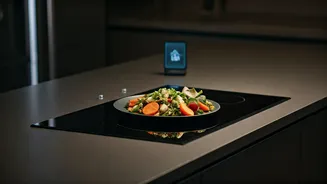
Managing your home’s energy use used to involve manually tweaking a clunky thermostat dial and remembering to turn off the lights. Now, it’s automated, elegant, and controlled from your phone. Smart thermostats like the Google Nest learn your schedule to optimize heating and cooling, saving energy without you even thinking about it. Sleek induction cooktops offer precise, instantaneous heat that’s faster and more efficient than gas, all while improving indoor air quality. Even composting, once a messy backyard pursuit, has moved indoors with stylish, odor-free electric composters like the Lomi that turn food scraps into dirt overnight. And solar power is shedding its bulky, utilitarian image with the advent of subtle solar shingles that integrate seamlessly into a roofline. The sustainable home is no longer just functional; it's becoming a responsive, high-tech, and beautiful living space.
Fashion Without the Heavy Footprint
For a long time, “eco-fashion” was synonymous with shapeless, beige garments made of hemp. While the intention was good, the style was often lacking. That has changed dramatically. A new generation of designers and material scientists is proving that sustainability and high fashion are not mutually exclusive. Brands like Allbirds built an empire on comfortable, low-impact merino wool sneakers, while companies like Patagonia continue to innovate with recycled materials and a “buy less, repair more” ethos. We're seeing stunning leather alternatives made from mushrooms and cactus, recycled plastics transformed into luxury outerwear, and the rise of rental and resale platforms that make style more circular. The focus has moved from simply using organic cotton to rethinking the entire lifecycle of a garment, creating a world where your best-looking outfit can also be your most responsible one.