



What Exactly Is a Planet Alignment?
First, let's clear up a common misconception. A planetary alignment isn't when planets form a perfectly straight line in space, like cosmic billiard balls. That kind of syzygy is extraordinarily rare and not what's happening here. Instead, an "alignment"
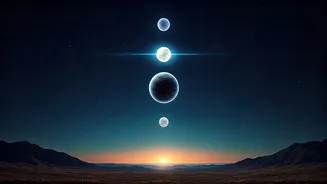
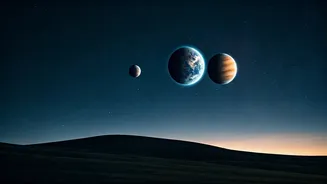
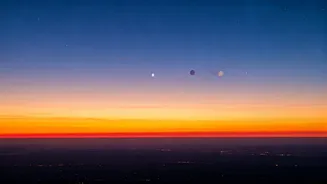
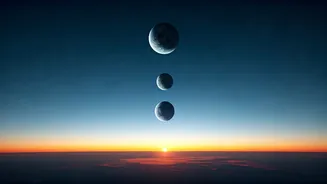
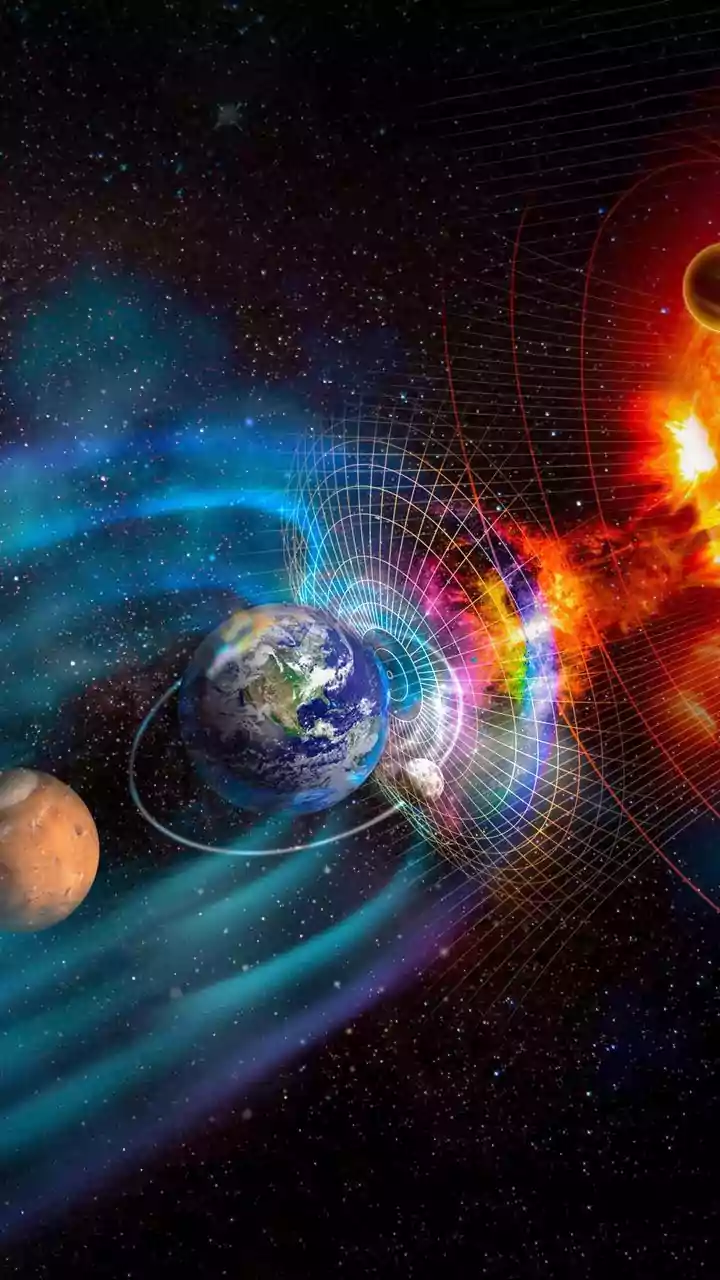
or "conjunction" is an event from our perspective here on Earth. It occurs when two or more planets appear very close to one another in our night sky. Their orbits, which all lie on a relatively flat plane called the ecliptic, bring them into the same small patch of sky from our vantage point. It’s a beautiful line-of-sight illusion that creates a striking visual spectacle, making planets that are hundreds of millions of miles apart look like celestial neighbors.
Meet Tonight's Celestial Trio
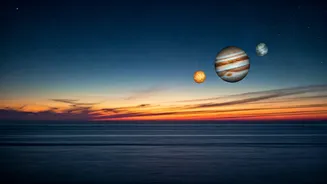
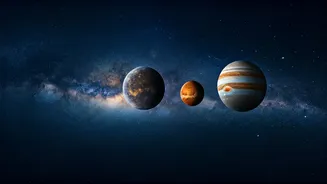
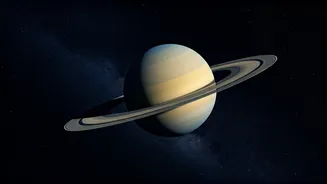
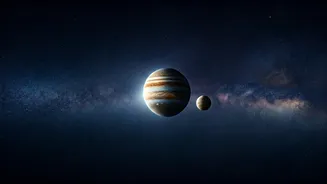
The celestial stage tonight features three distinct players. The first is brilliant Jupiter, the king of the planets. You can’t miss it; it will be the brightest point of light in the formation, shining with a steady, commanding glow. Closer to the horizon, you'll spot elusive Mercury. Because it’s the closest planet to the sun, it’s often lost in solar glare, making any appearance a treat. Look for a smaller, fainter point of light. Finally, joining them is Mars, the Red Planet. Its distinctive rusty hue should help you pick it out from the background stars. Seeing these three worlds—a gas giant, a rocky inner planet, and our planetary neighbor—in the same field of view is a fantastic opportunity for skywatchers.
Your Step-by-Step Viewing Guide
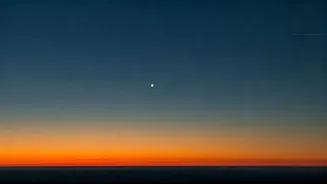
Timing and location are everything. The show begins shortly after sunset. Find a spot with an unobstructed view of the western horizon, as the planets will be gathered relatively low in the sky. Think a clear field, the top of a hill, or even an upper-story window facing west. The best viewing window will be from about 30 to 75 minutes after the sun dips below the horizon. This is when the sky is dark enough for the planets to pop, but before they follow the sun and set themselves. As twilight deepens, Jupiter will likely be the first to appear, followed by Mars and then faint Mercury as the sky darkens further. Be patient and let your eyes adjust.
What You Need (and Don't Need)
The best part about this event is its accessibility. You don’t need an expensive telescope or a degree in astrophysics. The alignment will be bright enough to be seen with the naked eye. Just find a dark spot away from city lights if you can, as light pollution can wash out fainter objects like Mercury. If you have a pair of binoculars, bring them! They are the perfect tool for this kind of event. They’re easy to use and will be powerful enough to transform the planets from simple points of light into tiny, distinct worlds. Through binoculars, you might even be able to glimpse Jupiter's four largest moons—the Galilean moons—appearing as tiny pinpricks of light flanking the planet.
Why This Moment is Special
In our busy lives, it's easy to forget the vast, dynamic solar system we are part of. Events like this are a powerful reminder. You are witnessing the orbital mechanics of our solar system play out in real time. Each planet is moving on its own vast path around the sun, and for a brief period, those paths intersect from our point of view. It’s a fleeting dance of light and gravity. These alignments don't happen every day, and seeing three planets clustered together is particularly noteworthy. It’s a moment of connection—to the cosmos, to the past (people have watched these same planets for millennia), and to the simple, profound beauty of the universe.