


The Nostalgia Gold Rush
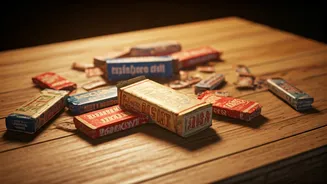
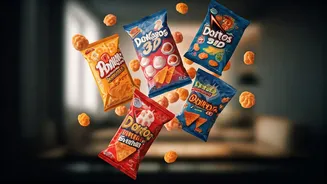
There's a powerful currency in the crinkle of a snack cake wrapper or the specific shade of artificial orange on a cheese puff. For millennials and older Gen Z, these aren't just foods; they're artifacts from a pre-internet, pre-anxiety-economy childhood.
And brands know it. Food companies are digging into their archives and our collective memories for a simple reason: nostalgia sells. In a chaotic world, the comfort of a familiar taste is a powerful draw. Millennials, now in their prime spending years, are driving this trend. They're old enough to miss the snacks of the 80s and 90s but young enough to want them to fit into a modern, more health-aware lifestyle. The relaunch of cult favorites like Dunkaroos wasn't just a business move; it was a cultural event, fueled by years of online pleas from adults who wanted to once again dip a vanilla cookie into a tub of frosting.
What Does 'Cleaner' Even Mean?
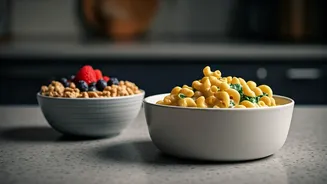
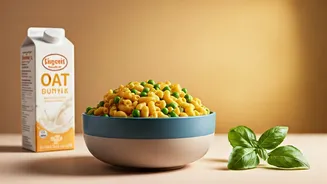
The first major change in this snack revival is the ingredient list. The term “cleaner” is the food industry’s answer to a generation that reads labels. It generally means shorter, more recognizable ingredient lists, the absence of artificial colors and flavors, and a move away from high-fructose corn syrup. While legacy brands are making small tweaks, the real revolution is coming from startups creating high-end dupes of our old favorites. Consider Magic Spoon, a company that reverse-engineered the sugary cereals of Saturday morning cartoons. Their versions boast high protein, no sugar, and keto-friendly formulas, all while mimicking the sweet crunch of Froot Loops or Cocoa Puffs. Similarly, brands like Goodles have reimagined boxed mac and cheese with added protein and nutrients, directly targeting adults who loved the classic but now want something “better-for-you.” It’s permission to indulge, rebranded as a smart choice.
Dressed for the Instagram Feed
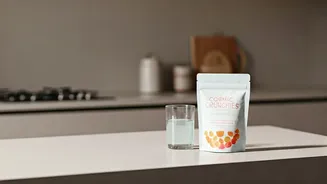
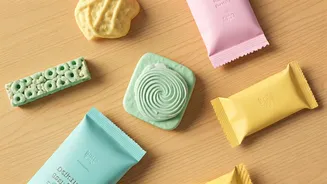
The second part of the makeover is purely aesthetic. The loud, cartoonish packaging of the 90s has been replaced with sophisticated, minimalist design ready-made for a curated Instagram feed. The new snack aisle is a sea of matte finishes, modern sans-serif fonts, and tasteful color palettes. The goal is to transform a product from a guilty pleasure hidden in the pantry into a shareable lifestyle accessory. The new packaging says, “I’m fun and nostalgic, but also discerning.” It’s designed to be photographed next to a laptop at a co-working space, not devoured in secret in front of the TV. This visual upgrade is crucial because it reframes the product’s identity. It’s no longer just a snack; it’s a statement piece that aligns with a certain personal brand—one that’s playful, health-conscious, and aesthetically aware.
Having Your (Snack) Cake and Eating It Too
Ultimately, this trend is about resolving a core conflict for the modern consumer: the desire for comforting indulgence versus the pressure to be healthy and disciplined. These revamped snacks offer a perfect compromise. They deliver the dopamine hit of a beloved childhood treat while simultaneously satisfying the adult need for virtuous consumption. It’s the dietary equivalent of the “high-low” fashion mix—pairing a vintage t-shirt with a designer bag. You get the comfort of the familiar and the status of the new. We get to feel like kids again, but in a way that feels grown-up, controlled, and intentional. We’re not just eating a snack; we’re curating an experience, buying back a piece of our childhood that has been conveniently updated to match our adult values.