



Decoding the Gut Health Obsession
Not long ago, “gut health” was a clinical term discussed in doctors' offices. Today, it’s a marketing goldmine. When a menu boasts gut-friendly options, it’s typically referring to foods rich in probiotics (beneficial live bacteria) and prebiotics (the
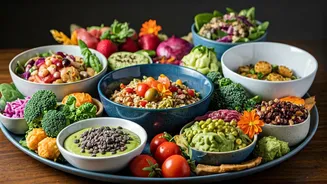
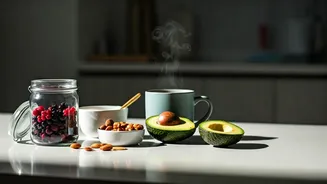
fiber that feeds them). Think yogurt bowls topped with seeds, kimchi-adorned grain bowls, sourdough toast, and, of course, the ubiquitous kombucha on tap. Fermented foods are the heroes of this story. The process of fermentation not only preserves food but also creates a complex, tangy flavor profile and cultivates the good bacteria our digestive systems love. This trend taps into a growing consumer desire for “functional foods”—items that don’t just fill you up but actively work to support your body’s systems. It repositions eating not just as an act of sustenance or pleasure, but as one of proactive self-care.
Hydration Gets a High-Tech Makeover
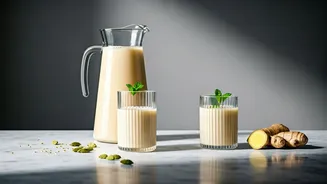
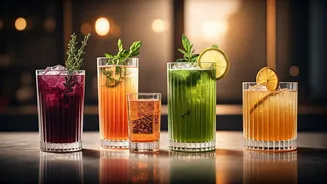
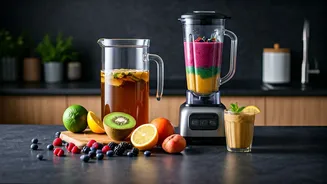
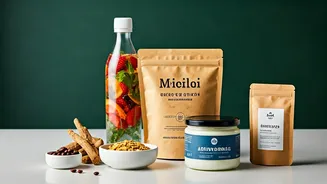
Drinking water is essential, but the new hydration trend suggests plain old H2O is no longer enough. The concept of “upgraded hydration” is booming, transforming water from a simple necessity into a customizable wellness elixir. The key buzzword here is “electrolytes”—minerals like sodium, potassium, and magnesium that help regulate fluid balance and muscle function. You’ll see them advertised in everything from sports drinks and coconut water to powders you can mix into your own bottle. Beyond electrolytes, menus are featuring beverages with added “functional” ingredients. Think water infused with adaptogens like ashwagandha, which marketers claim helps the body manage stress, or drinks boosted with antioxidants, vitamins, and minerals. This isn’t just about quenching thirst; it’s about optimizing it. The smoothie bar, once a place for fruit and protein, is now a laboratory for concoctions promising everything from a 'radiant glow' to 'cellular hydration.'
Why This Trend Is Happening Now
This shift isn’t happening in a vacuum. Several cultural currents are converging to push gut health and hydration to the forefront. The post-pandemic era left many Americans with a heightened awareness of their health and a desire for more control over their well-being. Food became a primary vehicle for that control. Simultaneously, social media platforms like TikTok and Instagram are flooded with wellness influencers and amateur experts sharing their gut health journeys and hydration hacks, complete with hashtags like #GutTok. This democratizes health information—for better or worse—and creates massive, immediate demand. For restaurants and food brands, these buzzwords are a powerful way to signal value beyond just taste. They appeal to a health-conscious consumer willing to pay a premium for products that promise a tangible benefit, turning a simple lemonade into an 'Electrolyte-Infused Lemonade' for an extra dollar or two.
Hype vs. Health: A Quick Reality Check
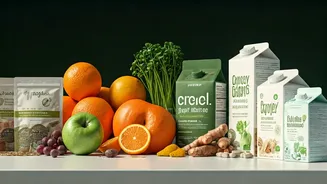
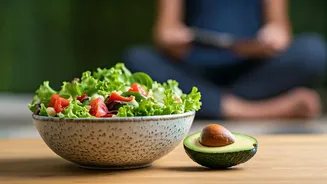
While many of these foods and drinks offer genuine benefits, it’s also a space ripe for “health-washing,” where marketing claims can outpace scientific reality. A sugary soda with a sprinkle of 'probiotics' is still a sugary soda. A 'hydrating' beverage loaded with artificial sweeteners might not be the wellness miracle it’s made out to be. The key for consumers is to look past the buzzwords on the front of the package or menu and read the actual ingredients. A diet rich in whole foods—fruits, vegetables, whole grains, and naturally fermented items—will always be the bedrock of good gut health. Similarly, for most people, water remains the gold standard for hydration. These trendy menu items can be a great supplement to a healthy lifestyle, but they aren't a magic bullet or a substitute for a balanced diet. The real value is often in the whole food itself, not just the trendy ingredient highlighted on the label.