


The Soil-Free Secret
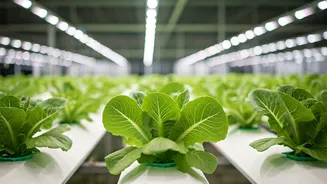
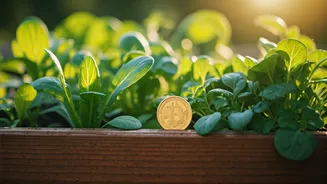
At its heart, the concept is brilliantly simple. Hydroponics is the art and science of growing plants without soil, using only a nutrient-rich water solution. By delivering minerals directly to the roots, this method allows plants to thrive in places
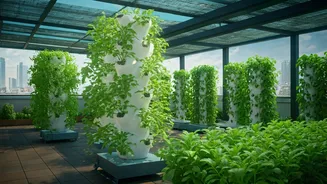
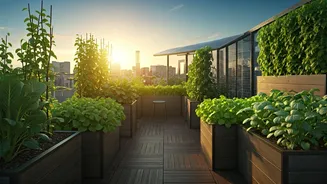
where traditional gardening is impossible: a tiny apartment balcony, a sunless basement, a disused warehouse, or even a futuristic space station. Instead of soil, plants are supported by an inert medium like rockwool, perlite, or clay pebbles, giving their roots something to anchor to as they sip on their perfectly balanced liquid diet. This efficiency is the key. By removing the need for large plots of land, hydroponics unlocks the potential to cultivate life in the tightest of corners, making it a perfect tool for our increasingly urbanized world.
So, Are They Really 'Oxygen Hubs'?
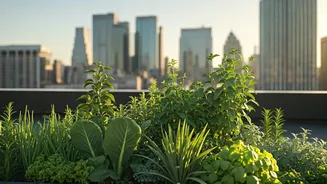
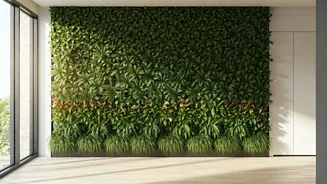
The headline’s promise of “oxygen hubs” is both exciting and complex. Through photosynthesis, every green leaf is a tiny factory, converting carbon dioxide into the oxygen we breathe. A dense wall of hydroponic lettuce or a tower of herbs will absolutely contribute to this process. However, turning an entire office or apartment into an 'oxygen hub' that measurably changes the overall air composition is a tall order. A single human breathes a significant amount of air, and modern buildings have ventilation systems that exchange indoor and outdoor air constantly. While a few countertop plants won't compete with an open window, a concentrated hydroponic system—like a living wall—can create a palpable microclimate. It boosts localized humidity and generates a pocket of fresher, cleaner air in its immediate vicinity. Research from NASA, which studies hydroponics for long-duration space missions, confirms that in a perfectly sealed environment, plants are crucial for producing breathable air. For the rest of us on Earth, the effect is more subtle but still beneficial, contributing to a healthier personal space.
More Than Just Air
The transformation of a space goes far beyond oxygen levels. The real magic lies in biophilia—our innate human tendency to connect with nature. Introducing vibrant, living greenery into a sterile, man-made environment has a profound psychological impact. Studies have consistently shown that the presence of indoor plants can reduce stress, improve concentration, and boost mood. A stark white wall that becomes a cascading sheet of green ferns doesn't just look better; it feels better. The subtle sounds of flowing water in some systems and the daily ritual of watching life grow can provide a powerful antidote to the screen-heavy, disconnected nature of modern life. These spaces become “vibrant” not just because of the oxygen, but because they bring a sense of peace, vitality, and natural beauty indoors.
Scaling Up: From Walls to Warehouses
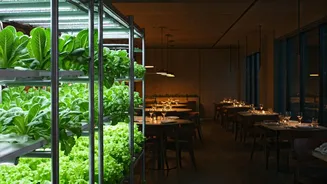
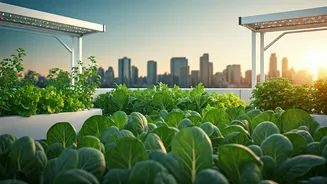
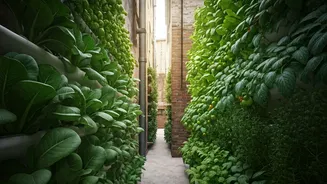
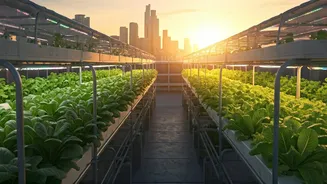
This technology isn't just for personal wellness; it’s scaling up to reshape our food systems. All across the country, entrepreneurs are converting abandoned warehouses and urban buildings into high-tech vertical farms. These multi-story hydroponic facilities cultivate produce year-round, right in the heart of the cities they serve. By growing locally, they slash transportation costs and carbon emissions, reduce water usage by up to 90% compared to traditional agriculture, and eliminate the need for pesticides. Companies like Plenty and Bowery Farming are proving that 'space-starved areas' can indeed become hubs of production, providing fresh, nutrient-dense greens to communities that may otherwise have limited access. This is the headline’s promise writ large: transforming forgotten urban spaces into productive, life-sustaining centers.
Bringing the Green Revolution Home
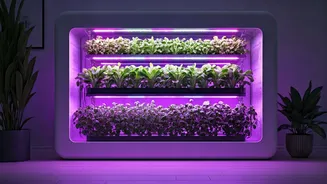
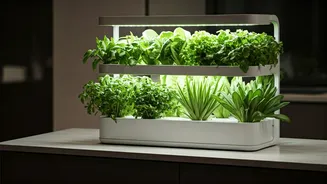
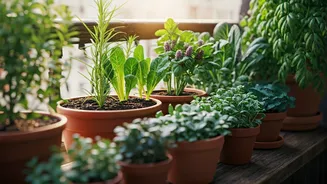
The best part of this green-tech revolution is its accessibility. You don’t need an engineering degree or a massive warehouse to get started. The market is filled with user-friendly hydroponic systems designed for home use. Sleek, countertop units can provide a steady supply of fresh herbs for your kitchen, requiring little more than adding water and nutrients every few weeks. Larger, modular vertical systems can turn a small corner of your living room into a productive salad garden. For the DIY-inclined, countless guides explain how to build simple setups using basic materials. Whether you want to purify your personal airspace, enjoy the mental health benefits of indoor gardening, or simply have the freshest basil on the block, hydroponics offers a tangible way to participate in creating your own small, vibrant hub.