
The Old Intimidation Factor
Let’s be honest. For many American home cooks, the idea of making Indian food from scratch induced a low-grade panic. The barrier to entry felt immense. It wasn’t just the long, lyrical names of dishes on a restaurant menu; it was the ingredient lists
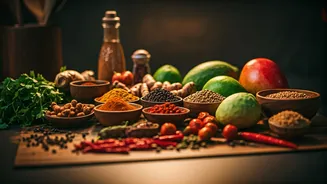
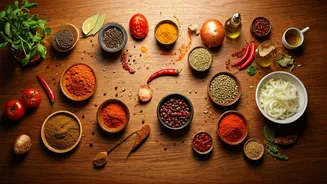
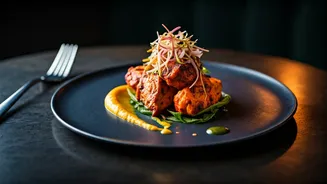
in cookbooks that seemed to stretch for pages. A single recipe might call for black mustard seeds, asafoetida, dried fenugreek leaves, and amchur (dried mango powder) — none of which were likely to be in the average suburban pantry. This perception was compounded by the version of Indian food most Americans knew best: the rich, creamy, ghee-laden curries of North Indian restaurant fare. Dishes like butter chicken and lamb korma, while undeniably delicious, are celebration food. They aren’t the everyday reality of Indian home cooking, yet they came to define the entire cuisine as heavy, indulgent, and best left to the professionals.
From Pantry Panic to Practical Basics
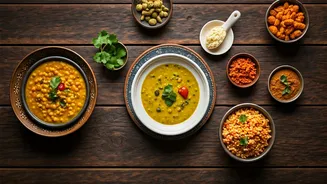
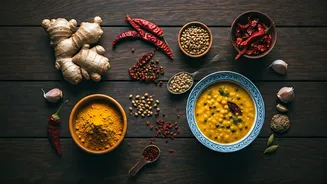
The great shift happening now is a move away from this all-or-nothing mindset. The new approach to Indian cooking isn’t about recreating a restaurant banquet on a Tuesday night. It’s about embracing the simple, nourishing, and incredibly flavorful reality of what most Indians actually eat at home. The focus has shifted to foundational techniques and a manageable set of core ingredients. Instead of needing 30 spices, you can build a universe of flavor with about ten: turmeric, cumin, coriander, red chili powder, and mustard seeds form a powerful base. The genius of the 'tadka' or 'tarka'—the technique of blooming spices in hot oil or ghee to release their aromatic compounds—is being demystified. It’s a two-minute flavor bomb that can transform a simple pot of lentils (dal) or a pan of sautéed vegetables (sabzi) into something extraordinary. This is the essence of practical Indian cooking: maximum impact from minimum fuss.
Reclaiming ‘Healthy’
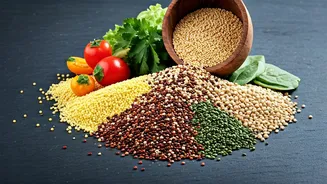
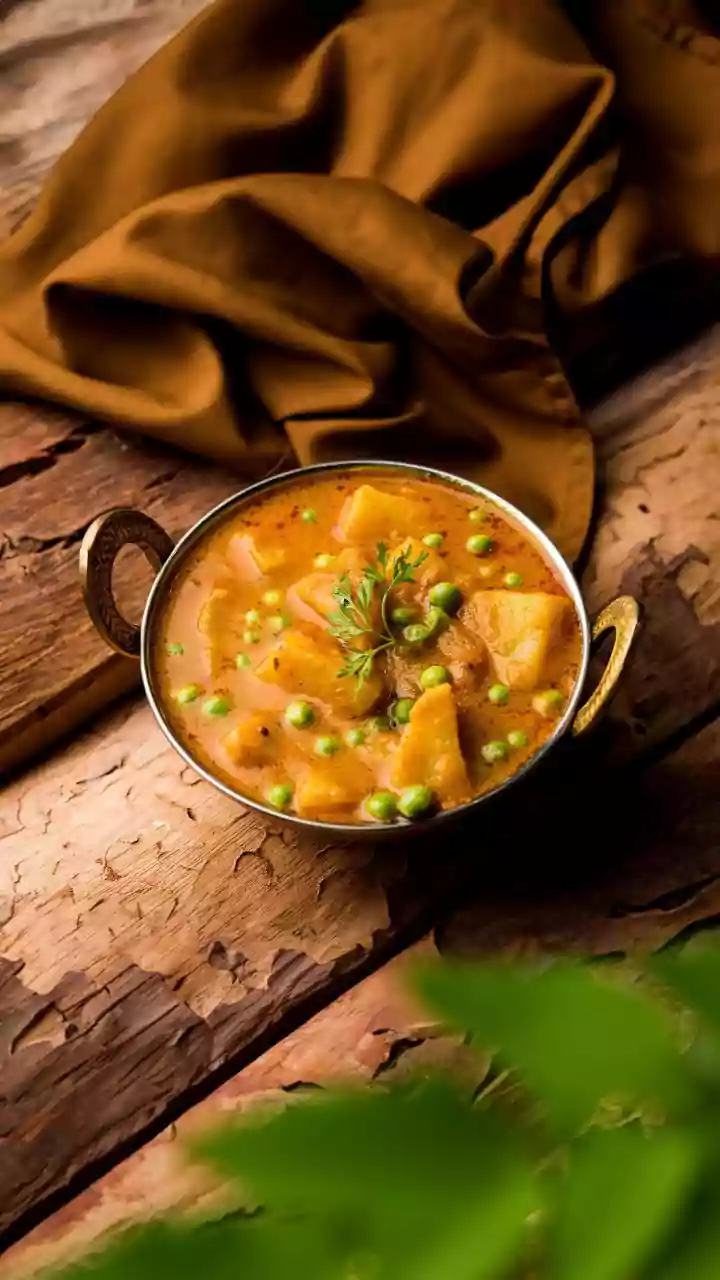
For too long, the conversation around Indian food’s healthiness was skewed by its restaurant reputation. The reality is that traditional, home-style Indian diets are among the healthiest in the world. They are often inherently plant-forward, built around a diverse array of lentils, beans, vegetables, and whole grains. Dal, the humble lentil stew that is a staple across the subcontinent, is a nutritional powerhouse packed with protein and fiber. Spices aren't just for flavor; they are medicine. Turmeric contains curcumin, a potent anti-inflammatory. Ginger is a digestive aid. Cumin and coriander are rich in antioxidants. As Americans increasingly look for ways to eat more plants, reduce processed foods, and improve gut health, the foundational principles of the Indian kitchen are looking less like an exotic novelty and more like a blueprint for modern wellness.
The Rise of ‘Indian-ish’
This movement from panic to practical has been championed by a new generation of cookbook authors, bloggers, and chefs. They are giving people permission to adapt, to be “Indian-ish.” This clever term, popularized by author Priya Krishna, perfectly captures the spirit of the movement. It’s about applying Indian flavors and techniques to the ingredients you already have. Think of a simple tadka poured over roasted Brussels sprouts, a dollop of yogurt mixed with chili powder and lime to dress a salad, or using kale in a quick sabzi instead of spinach. This approach respects tradition without being enslaved by a rigid definition of authenticity. It recognizes that Indian cooking has always been about resourcefulness—making something delicious with what is fresh, local, and available. By making it flexible and accessible, this new wave is finally bringing Indian food home to the American kitchen, where it belongs.