

Beyond the Restaurant Buffet
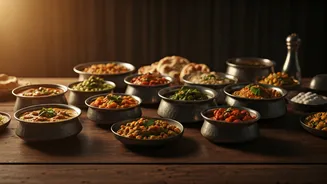
For many Americans, the introduction to Indian cuisine happens at a lunch buffet, a glorious spread of chicken tikka masala, saag paneer, and pillowy naan bread. While undeniably delicious, this is often a narrow and particularly rich sliver of a subcontinent's
worth of food. This style, largely rooted in North Indian Punjabi cuisine, was designed to impress and often relies heavily on ghee (clarified butter), cream, and frying to achieve its signature decadence. It's the equivalent of judging all American food by visiting a steakhouse; you’re getting a classic, but you're missing the bigger, more varied picture. The reality is that traditional Indian home cooking has always been a different story. It’s lighter, more vegetable-focused, and incredibly diverse, changing every hundred miles with new spices, techniques, and local produce. The current “healthier” trend isn't so much an invention as it is a rediscovery and re-popularization of these foundational, everyday meals.
A Return to Regional Roots
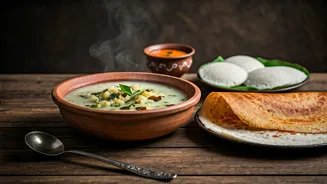
The secret to lighter Indian food has been hiding in plain sight all along: in the regional kitchens of India. A home-cooked meal in coastal Kerala, for example, might feature fish steamed in banana leaves with coconut and tangy kokum, a world away from a cream-based curry. In Gujarat, you’ll find dishes that balance sweet, sour, and spicy notes, often using lentils and vegetables with minimal oil. The staples are different, too. Instead of naan, you might find ragi (finger millet) rotis or steamed rice cakes called idlis, which are naturally gluten-free and fermented for easy digestion. Today’s chefs and influential home cooks are championing this diversity. They are moving away from a one-size-fits-all menu and introducing Americans to the specific, nuanced flavors of Bengal, Rajasthan, Tamil Nadu, and beyond. This shift celebrates the fact that many regional Indian diets are inherently balanced, relying on seasonal vegetables, lean proteins, and complex carbohydrates that have sustained people for centuries.
Modern Techniques, Ancient Flavors
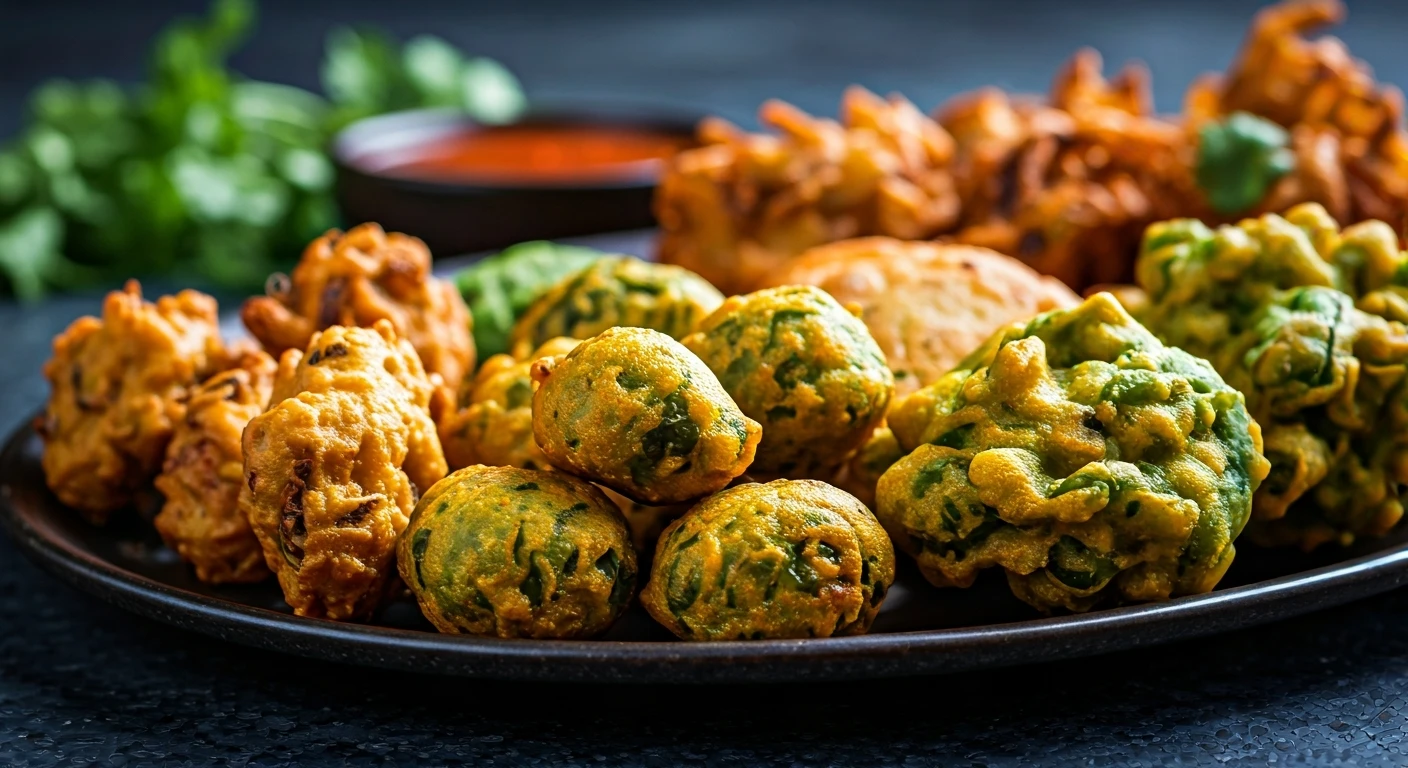
This evolution isn’t just about looking back; it’s about innovating with health in mind. The core principle is maintaining flavor while swapping out heavy-handed techniques and ingredients. Bold spicing is the cuisine’s superpower, allowing cooks to reduce fat and cream without creating a bland dish. Aromatic whole spices like cardamom, cloves, and cinnamon, bloomed in a small amount of oil, can deliver more flavor than a dish swimming in fat. Modern Indian kitchens are embracing new methods. Instead of deep-frying samosas, cooks are baking or air-frying them for a crispy exterior with a fraction of the oil. Tandoors and grills are being used for more than just chicken; they’re perfect for charring vegetables like cauliflower and broccoli, giving them a smoky depth. Yogurt, a classic cooling agent and marinade base, is stepping in for heavy cream to provide a tangy creaminess in curries. It’s not about subtraction; it’s about smart substitution.
Vegetables Take Center Stage
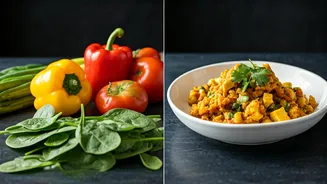
For a cuisine that originates from a country with one of the largest vegetarian populations in the world, it’s ironic that vegetables have often been relegated to the “side dish” section on U.S. menus. That is changing fast. The global wellness trend toward plant-based eating aligns perfectly with Indian culinary traditions. Dishes like lentil stews (dal), spiced chickpeas (chana masala), and complex vegetable curries are being recognized not as meat alternatives, but as powerful, satisfying meals in their own right. Chefs are giving vegetables the star treatment, roasting whole heads of cauliflower with turmeric and spices, creating hearty kebabs from beets and walnuts, and showcasing seasonal produce like squash and asparagus in ways that feel both authentically Indian and completely modern. This vegetable-forward approach naturally leads to plates that are lower in calories and higher in fiber and nutrients, all while exploding with flavor, color, and texture.