

The Economics of a Sure Thing
The most significant driver behind this trend is the economy. With inflation pinching household budgets, diners are becoming more risk-averse. Spending $18 on an experimental quinoa bowl that you might not like feels like a gamble. Spending that same
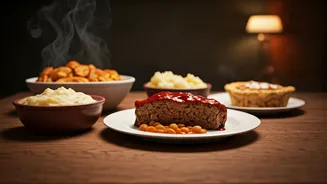
$18 on a great burger, a classic plate of spaghetti and meatballs, or a perfectly executed fried chicken sandwich feels like a guarantee. Restaurants are responding in kind. Industry data shows that while adventurous LTOs (limited-time offers) still create buzz, the menu items that consistently drive sales are the classics. Operators are finding that a reliable, well-executed comfort dish is a safer bet for profitability than a high-concept plate that might not land with value-conscious customers. This financial prudence extends from the sit-down restaurant to the fast-food drive-thru, where chains that perfect a single, beloved item—like a chicken finger or a smash burger—are seeing sustained growth.
Combating Decision Fatigue
Beyond the wallet, there's a psychological component at play. We live in an age of overwhelming choice. From streaming services to news sources, our brains are constantly being asked to make decisions. This 'decision fatigue' has bled into our dining habits. After a long day, the mental energy required to decipher a complex menu of unfamiliar ingredients can feel like a chore. Comfort food offers a welcome reprieve. You don’t need to read a paragraph-long description of a cheeseburger; you know exactly what you're getting. It’s an easy, reliable, and satisfying choice that requires minimal cognitive load. This desire for simplicity has become a powerful, if subconscious, force shaping consumer behavior. It’s a vote for predictability in an unpredictable world, a small act of control when other things feel chaotic.
Nostalgia on the Menu
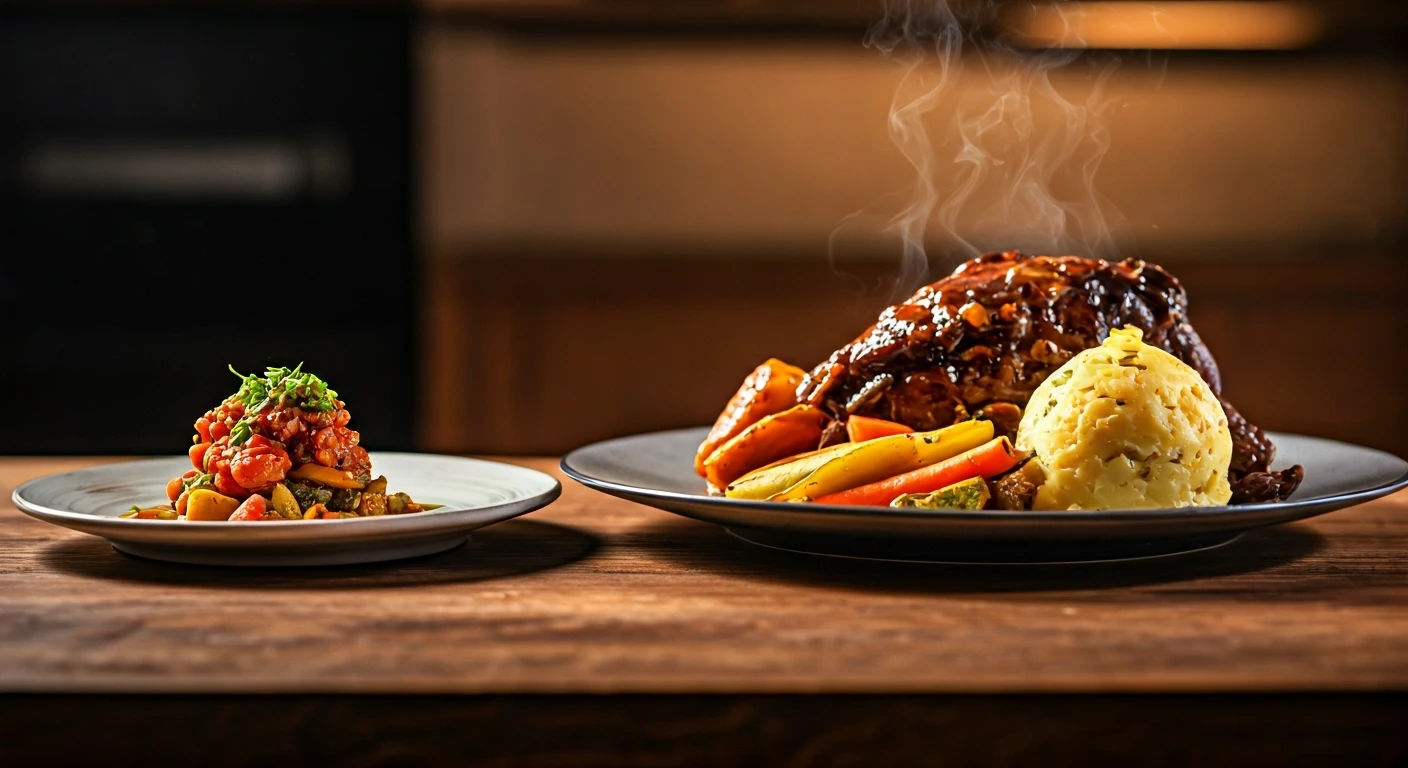
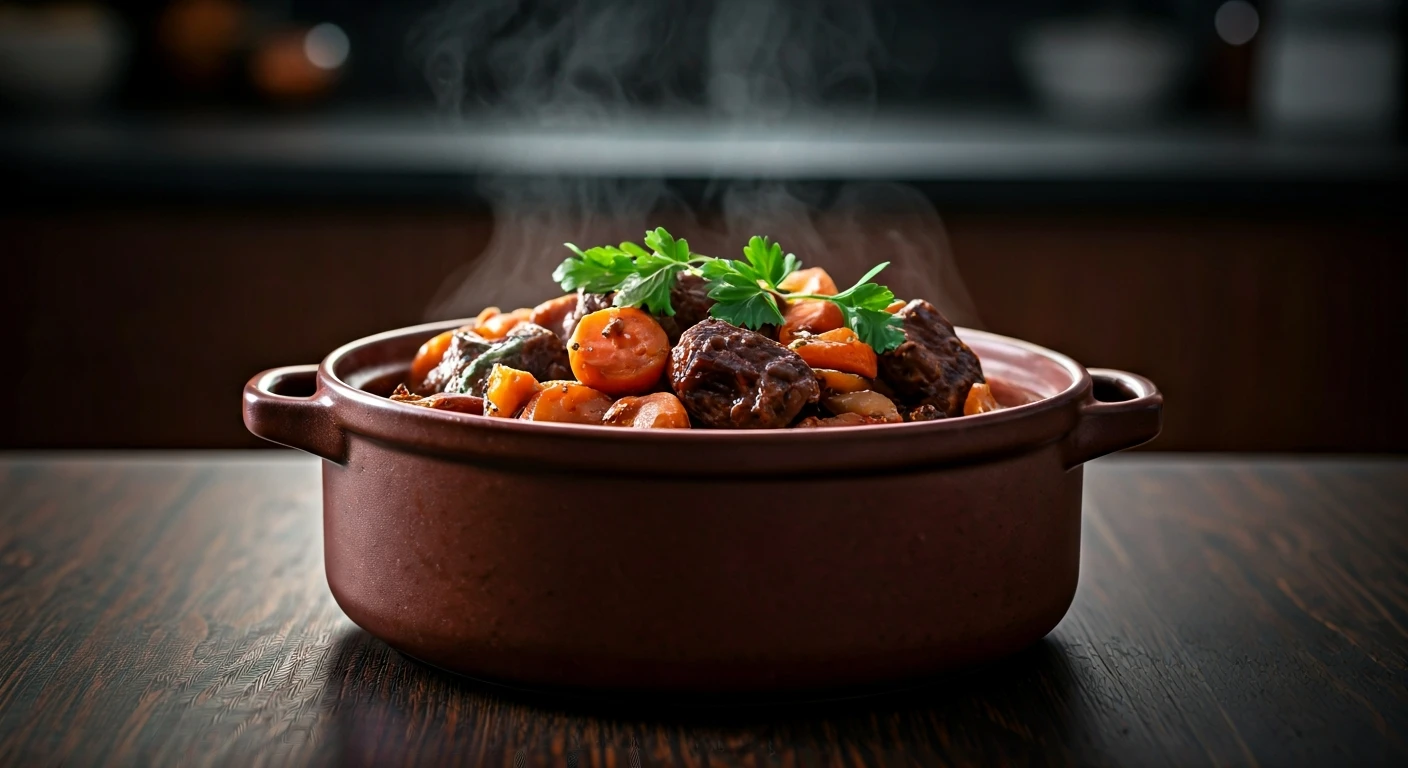
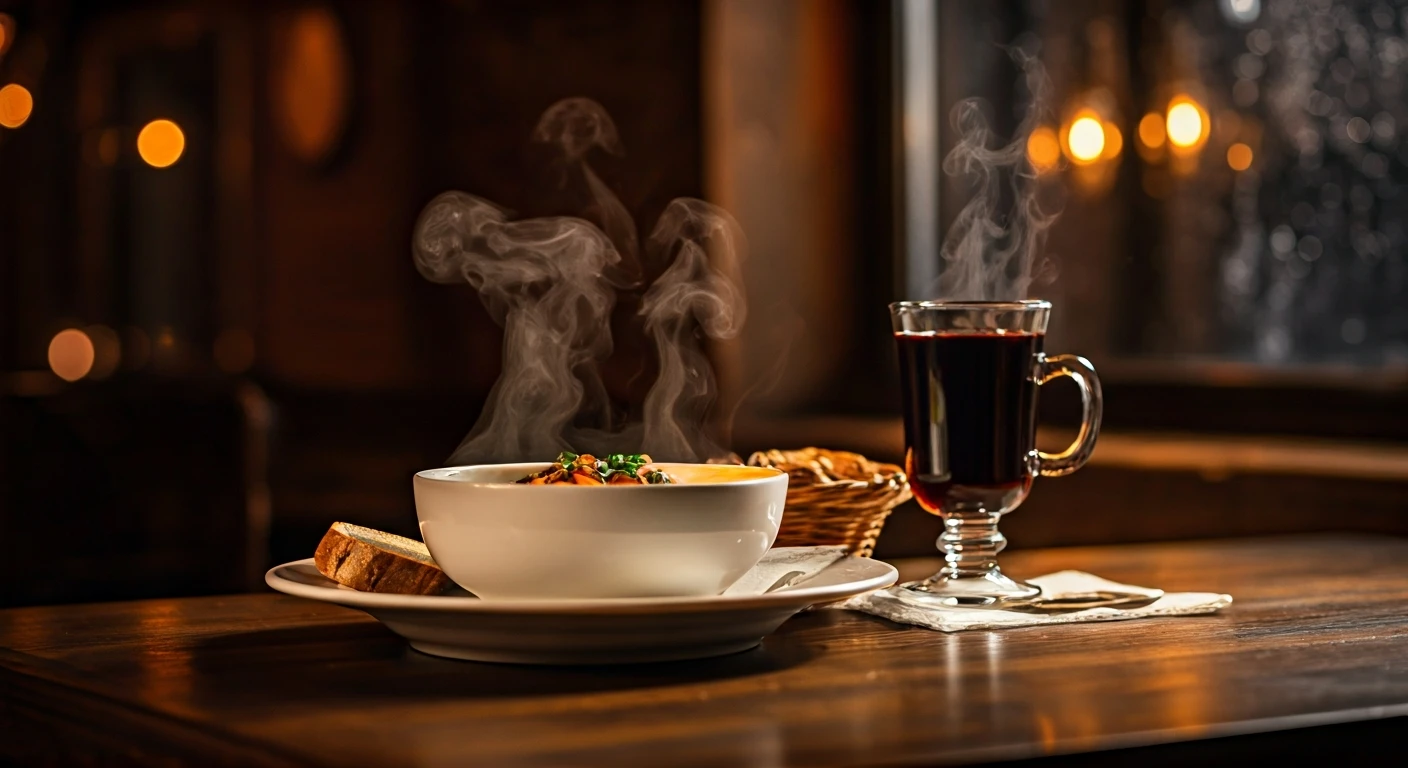
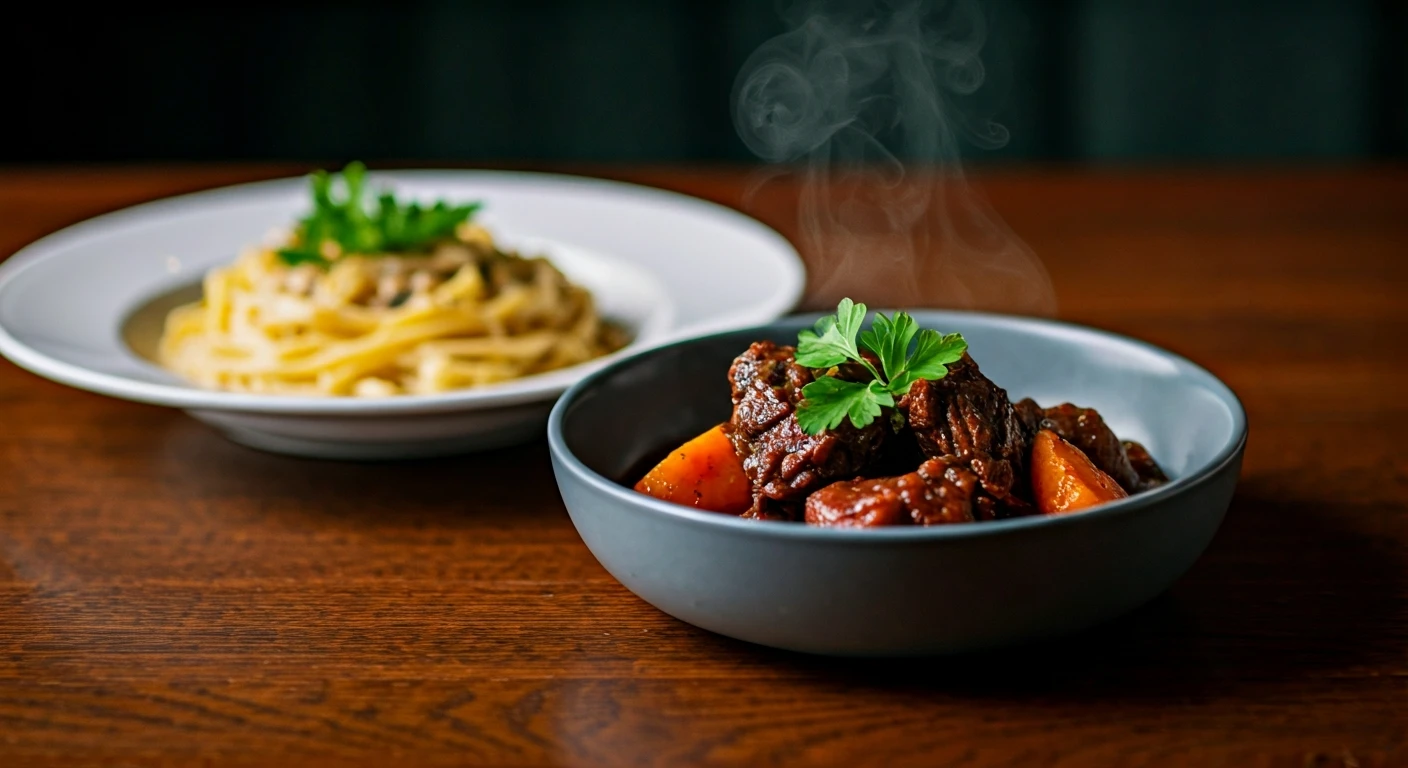
Food is intrinsically linked to memory and emotion. For many Americans, classic dishes like macaroni and cheese, pot roast, or a diner-style breakfast are tied to positive memories of childhood, family, and simpler times. In periods of social and cultural anxiety, we instinctively reach for things that make us feel safe and grounded. Chefs and restaurant groups have picked up on this. We're seeing a resurgence of old-school Italian-American 'red sauce' joints, an elevation of humble dishes like grilled cheese, and even fine-dining establishments adding a surprisingly straightforward and comforting option to their tasting menus. It’s a recognition that what people are craving isn't just flavor, but feeling. This 'culinary time travel' provides a powerful dose of dopamine, serving up a sense of well-being that no fleeting foodie trend can replicate.
How Big Food Is Capitalizing
This trend isn't just happening in restaurants; it's a boon for consumer packaged goods (CPG) companies, too. Brands built on a foundation of familiarity are thriving. Think of the steady presence of Kraft Macaroni & Cheese, Campbell's Tomato Soup, or Oreo cookies. While these legacy brands constantly innovate with new flavors, their core products remain anchors of the American pantry for a reason. During the pandemic, sales of these staple items soared as people cooked at home and sought comfort. That behavior has proven sticky. Companies are doubling down on marketing that emphasizes tradition, family, and reliability, successfully framing their decades-old products as the perfect antidote to modern-day stress. In the grocery aisle, as in the restaurant, the safe, familiar choice is proving to be the winning one.