




From Spectator to Participant
So, what exactly is an “experience-led getaway”? It’s a trip where the primary goal is to do, learn, or become something. Instead of simply seeing the sights, you’re engaging with them. Think less about the perfect photo of the Eiffel Tower and more about a photo of your
flour-dusted hands after a Parisian baking class. This approach transforms travel from a consumptive act to a transformative one. It prioritizes participation over observation and personal growth over passive relaxation. The focus shifts from the thread count of the sheets to the quality of the story you’ll bring home. It’s the difference between eating at a famous restaurant in New Orleans and spending the afternoon learning to make gumbo from a local chef in their own kitchen.
The Culinary Quest
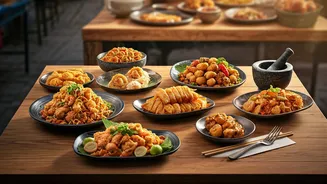
Food has become a major frontier for experiential travel. While food tourism has always existed, the new iteration goes far beyond reservations and tasting menus. Today’s travelers want to get their hands dirty. This could mean foraging for wild mushrooms with a guide in the Pacific Northwest, joining a multi-day mole-making workshop in Oaxaca, or harvesting olives in the Italian countryside to press your own oil. The goal isn’t just to taste authentic food; it’s to understand its origins, culture, and the skills behind it. The flex isn't just posting a picture of the final dish, but the entire process—the muddy boots, the bustling market, the finished product you helped create. The souvenir is a recipe you can replicate, a skill you’ve acquired, and a deeper connection to the place you visited.
The Skill-Building Sojourn
Another popular form of experience-led travel is the skill-building vacation. People are using their precious time off to learn something new and tangible. This trend has exploded in recent years, with options for nearly any interest. You can find surf camps in Costa Rica, language immersion programs in Spain, and photography workshops under the Northern Lights in Iceland. Others might opt for a week-long course in traditional woodworking in Appalachia or learning the art of perfume making in Grasse, France. These trips provide a tangible takeaway that lasts far longer than a tan. You leave not just with memories, but with a new capability. It’s a vacation that actively invests in your personal development, making the time off feel productive as well as restorative.
The Deeper Wellness Journey
Even the concept of a “wellness” trip has evolved. The old model was built around pampering: massages, facials, and poolside cocktails. The new wellness journey is often more rigorous and introspective. It’s less about indulgence and more about intentional work, whether physical or mental. Think challenging, multi-day treks to a remote monastery in Bhutan, a silent Vipassana meditation retreat, or a physically demanding yoga teacher training program in India. These experiences are designed to push you out of your comfort zone. The luxury here isn't a plush robe, but the mental clarity, physical resilience, and profound sense of accomplishment that comes from overcoming a significant challenge.
Why This Is the New 'Flex'
The rise of experiential travel is driven by a fundamental shift in values, amplified by the digital age. In a world saturated with images of generic luxury, a unique story stands out. A photo of you covered in mud after a jungle trek tells a more compelling tale than another sunset from a hotel balcony. It signals curiosity, courage, and a desire for personal growth—qualities that carry more social weight today than simple wealth. For Millennials and Gen Z, who often prioritize access over ownership, spending money on developing the self is seen as a wiser investment than accumulating things. This isn't just a vacation; it's content for your life's story. The ultimate flex is no longer about what you can afford to buy, but what you have the guts and curiosity to do.