


The Trend Isn't a Food, It's a Focus
Let’s get one thing straight: the trend isn’t kombucha. It isn’t kimchi or artisanal sourdough, either. Those are just players in the game. The real trend is the growing understanding that nurturing our gut microbiome—the trillions of bacteria and other
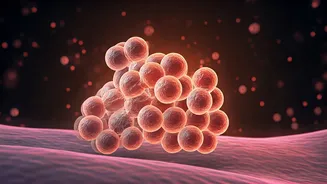
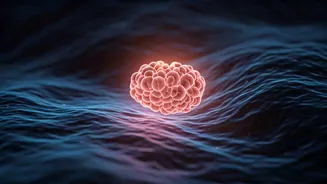
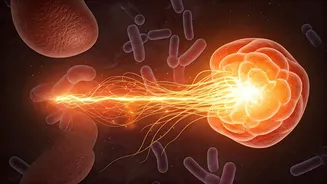
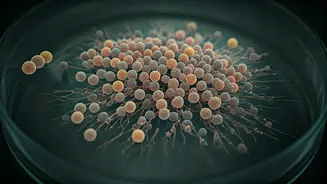
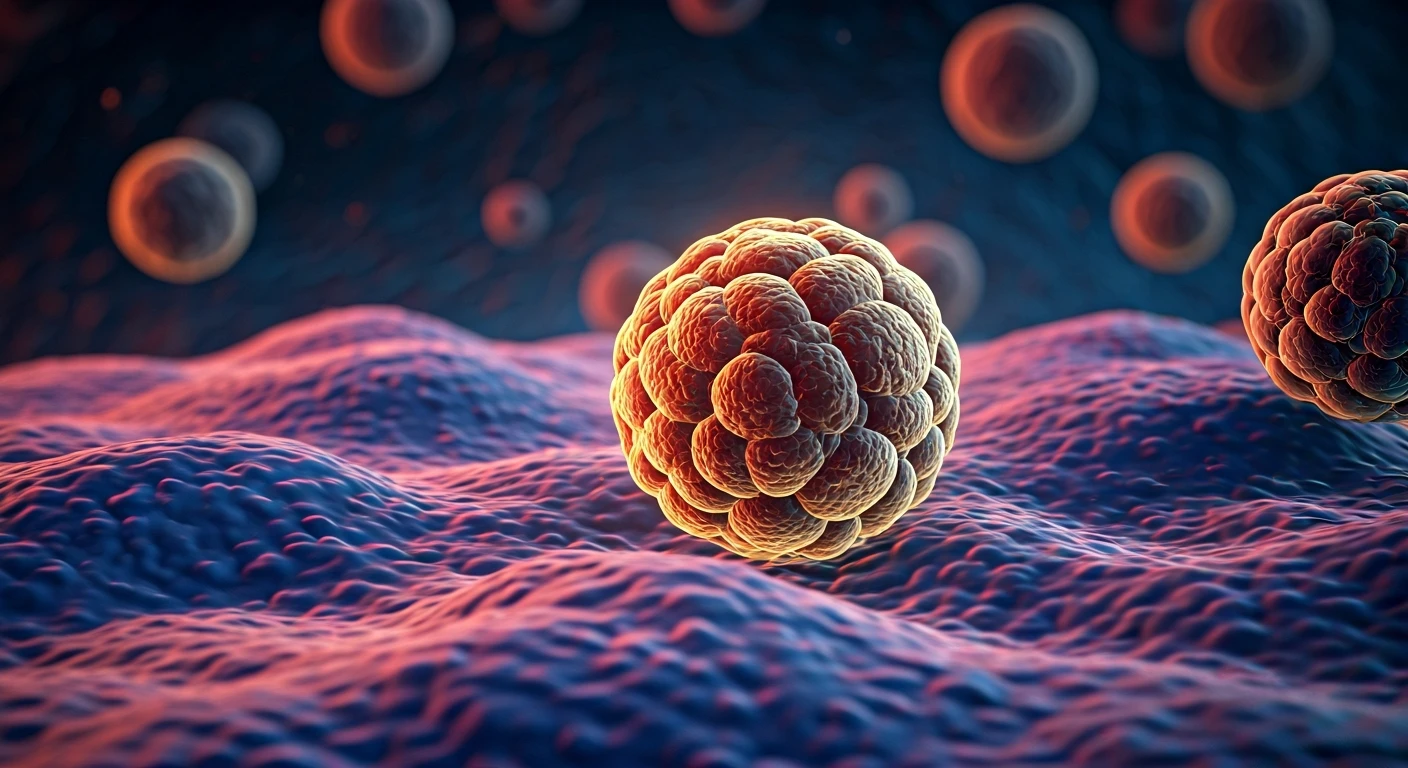
microbes living in our digestive tract—is one of the most powerful things we can do for our overall health. Think of your gut as a bustling internal ecosystem. For decades, we mostly thought of bacteria as bad guys to be eliminated. Now, science is revealing that a diverse and thriving community of “good” bacteria is essential. This new focus moves beyond chasing a single “superfood” and toward a more holistic strategy of supporting that entire ecosystem day in and day out.
Why Your Gut Is the CEO of Your Body
So, why the sudden obsession? It turns out your gut does a lot more than just digest your lunch. A healthy microbiome is linked to a surprising number of bodily functions. A strong immune system, for example, is heavily reliant on the gut; experts estimate that around 70% of your immune cells reside there. An imbalance can leave you more susceptible to getting sick. But the influence doesn't stop there. The gut is often called the “second brain” because of the powerful connection it has with our mental state via the gut-brain axis. It produces a significant amount of the body’s serotonin, a key neurotransmitter for mood regulation. This helps explain why digestive distress and feelings of anxiety or depression can so often go hand-in-hand. When your gut is happy, your whole body—and mind—benefits.
Enter Probiotics: The 'Good' Bacteria Reinforcements
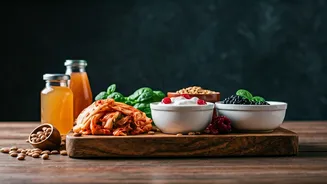
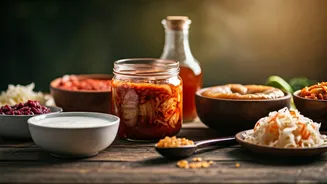
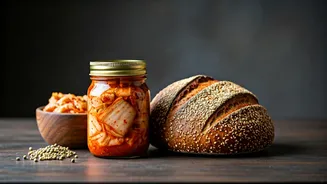
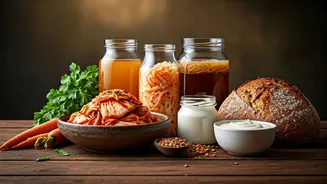
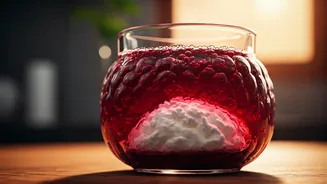
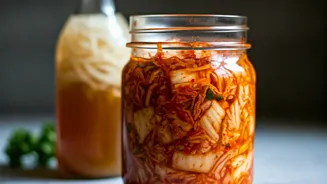
The most visible part of this trend involves probiotics—live beneficial bacteria found in certain foods and supplements. The easiest way to get them is through fermented foods, where microbes have been allowed to work their magic. This is where things like yogurt and kefir (fermented dairy), sauerkraut (fermented cabbage), kimchi (spicy fermented vegetables), and kombucha (fermented tea) come in. Consuming these foods introduces diverse, helpful bacteria strains directly into your system. They act like reinforcements, helping to populate your gut with allies that can crowd out less helpful microbes, aid digestion, and support the gut lining. The key is variety; different fermented foods contain different strains, so mixing it up is more beneficial than sticking to just one.
Don't Forget to Feed Your Friends
Simply adding probiotics isn't the full picture. Those good bacteria need to eat, too. That’s where prebiotics come in. Prebiotics are types of dietary fiber that your body can't digest, but your gut microbes love to feast on. When you eat prebiotic-rich foods, you’re essentially providing fuel for the good bacteria you already have, helping them thrive and multiply. Luckily, you don’t need a fancy supplement to get them. Prebiotics are abundant in a wide range of plant foods. Think garlic, onions, leeks, asparagus, bananas (especially when slightly green), oats, and apples. A diet rich in a variety of fruits, vegetables, and whole grains naturally provides plenty of prebiotic fiber to keep your gut ecosystem well-fed and flourishing.
Putting It All Together, Simply
Embracing this trend doesn’t require a radical diet overhaul or expensive shopping list. It’s about small, consistent additions. Start by adding a dollop of plain yogurt to your morning oats. Try a side of sauerkraut with your dinner. Snack on an apple instead of a processed bar. The goal isn't perfection; it’s progress. Focus on adding more diverse, plant-based foods and incorporating a few fermented options each week. A small amount of kimchi or a glass of kefir a few times a week is more sustainable—and likely more beneficial—than forcing down a gallon of kombucha once a month.