





The Problem with Your Polyester
For decades, synthetic fabrics like polyester and nylon have dominated the activewear market, and for good reason. They are durable, stretchy, and excellent at wicking moisture—pulling sweat away from your skin to the fabric's surface to evaporate. This
keeps you feeling drier during an intense workout. The problem arises after the sweat has dried. These plastic-based fibers create a perfect environment for odor-causing bacteria to thrive. Unlike natural fibers, synthetics don't absorb moisture; they repel it. This means the smelly bacteria sit right on the surface, which is why a synthetic shirt can smell fine out of the drawer but develop a permanent, unshakable funk after just a few wears and washes.
What Exactly is Bamboo Activewear?
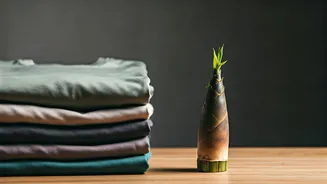
When you see "bamboo" on a clothing tag, it doesn't mean the garments are woven from hard bamboo stalks. Instead, the material is typically bamboo viscose (or rayon). The process involves crushing bamboo pulp and using a chemical process to dissolve it into a viscous liquid, which is then spun into soft, silky fibers. While the raw material is a natural, fast-growing plant, the end product is best described as a "semi-synthetic" or regenerated cellulosic fiber. This distinction is important, but the resulting fabric boasts a unique combination of properties that make it a compelling alternative to fully synthetic options, particularly when it comes to how it feels on your skin and how it handles sweat.
Comparison: Comfort and Feel
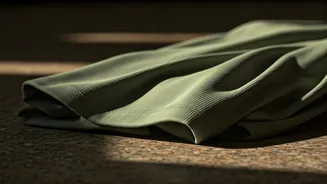
Here's where bamboo activewear makes its strongest first impression. While performance synthetics often have a slick, compressive, and sometimes plastic-y feel, bamboo fabric is known for its exceptional softness, often compared to high-quality cotton or even silk. It drapes beautifully and has a smooth, luxurious feel against the skin that synthetics can't replicate. This makes it incredibly comfortable for activities like yoga, Pilates, and weightlifting, or simply for lounging. If you've ever felt that your synthetic gear is too restrictive or chafes during movement, the gentle, non-irritating texture of bamboo could be a game-changer.
Comparison: Odor Control
This is the primary battleground. As mentioned, synthetics are a haven for smelly bacteria. Bamboo fabric, on the other hand, is far more resistant to odor retention. While claims of being inherently "anti-microbial" can be tricky (the plant is, but the processed fabric's properties are debated), the key difference is in moisture management. Bamboo fibers are highly absorbent. Instead of leaving sweat and bacteria on the surface, the fabric pulls it *in*. This less hospitable environment for bacterial growth means your clothes stay fresher for longer, both during your workout and between washes. Many users report being able to wear bamboo activewear multiple times before it needs laundering, a feat unthinkable for its synthetic counterparts.
Comparison: Breathability and Moisture
The terms "breathable" and "moisture-wicking" are often used interchangeably, but they mean different things. Synthetics are moisture-wicking; they move sweat away. Bamboo is breathable and moisture-absorbent; it soaks up sweat. For a high-intensity, super-sweaty cardio session, the rapid evaporation offered by synthetics might keep you feeling drier. However, bamboo's absorbency can make it feel heavier when saturated. For most other activities—from strength training to hiking to daily wear—bamboo's natural breathability and thermal regulation shine. The fabric helps keep you cooler in the heat and warmer in the cold, providing a more comfortable experience overall without that clammy, sealed-in feeling.
Comparison: The Sustainability Angle
The environmental choice isn't clear-cut. Synthetics are derived from petroleum, a non-renewable resource, and they shed microplastics with every wash, polluting waterways. From this perspective, bamboo looks like an easy winner. It's a rapidly renewable resource that requires little water and no pesticides to grow. However, the standard process to turn bamboo into viscose can be chemically intensive and produce harmful waste if not managed in a closed-loop system (where chemicals are reused). When shopping, look for brands that use a Lyocell process (like TENCEL™) or are transparent about their closed-loop manufacturing, as this represents a more eco-friendly option.