







A Slice of Portugal in Panjim
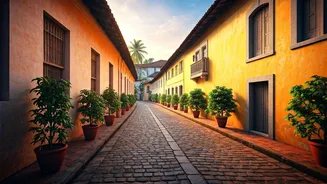
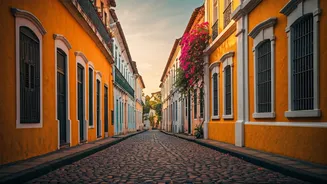
Welcome to Fontainhas. Designated a UNESCO World Heritage site, this is Goa’s Latin Quarter, a perfectly preserved pocket of colonial Portuguese architecture nestled in the capital city of Panjim (Panaji). The moment you step into its narrow, winding
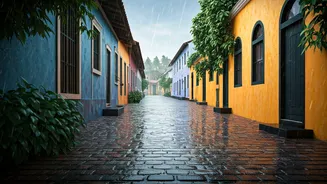
lanes, the frenetic energy of India melts away, replaced by a Mediterranean-like tranquility. The walls are a painter's palette of ochre, canary yellow, pastel blue, and terracotta red, punctuated by ornate wrought-iron balconies overflowing with bougainvillea. White-washed chapels with seashell-inlaid windows stand silently on street corners, and the air is thick with the scent of frangipani and baking bread from tiny, family-run bakeries. This isn't the Goa of postcards; it’s the Goa of history books, a place shaped by over 450 years of Portuguese rule. The story goes that the area was established in the late 18th century by a Portuguese man named António João de Sequeira, who transformed the marshy land into a coconut plantation. It later became the residential quarter for Portuguese officials and elites, and that sense of curated European elegance remains palpable today.
The Art of Wandering Together
What makes Fontainhas the ultimate detour for couples is precisely what it lacks: sprawling resorts, crowded tourist traps, and a demanding itinerary. Its primary activity is simply being there. This is a place built for aimless wandering, hand-in-hand. The joy isn't in ticking off a list of sights, but in the shared discovery of a hidden alleyway, a beautifully weathered door, or a quiet courtyard where the only sound is the cooing of pigeons. Unlike the high-energy beaches, Fontainhas encourages a slower, more intimate pace. You’re not jostling for space; you’re sharing a secret. The narrow lanes force you closer, the quiet atmosphere invites conversation, and the stunning, photo-ready backdrops at every turn make for a living scrapbook of your trip. The romance here is unforced and organic, found in the simple act of getting lost together and finding your way back through a maze of vibrant color.
Cafes, Galleries, and Quiet Moments
While the main draw is the ambiance, Fontainhas is not a museum piece. It’s a living neighborhood with charming nooks that offer perfect punctuation marks to your romantic stroll. You can duck into a heritage café like Confeitaria 31 de Janeiro for a traditional Goan snack or a pasteis de nata, the iconic Portuguese custard tart. Several buildings have been converted into art galleries, such as the Gitanjali Gallery, showcasing local and contemporary Indian artists. These spaces provide a cool, contemplative escape from the afternoon sun. As evening approaches, the area comes alive in a different way. The setting sun casts a warm, golden glow on the colorful facades, a phenomenon photographers flock to capture. Small, intimate bars and restaurants open their doors, offering everything from authentic Goan-Portuguese cuisine to a simple glass of wine. Finding a rooftop spot to watch the sky change color over the tiled roofs is an experience that feels both cinematic and deeply personal.
Planning Your Detour
Fontainhas is located in the heart of Panjim, making it an easy half-day trip from the popular beach belts of North or South Goa. The best time to visit is in the late afternoon, around 4 PM. The heat has subsided, the light is soft and beautiful, and you can seamlessly transition from your walk into a relaxed dinner. Wear comfortable shoes, as the cobblestone streets can be uneven. While you can drive, the best way to explore is on foot. Park your scooter or car on the outskirts and dive in. The entire neighborhood can be covered in a couple of hours, but its charm will linger long after you’ve left.