





The Ultimate Aesthetic Playground
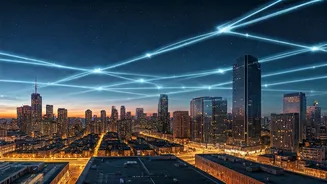
For a generation that communicates visually, Japan is a content goldmine. It’s a country of stunning contrasts, where a centuries-old vermilion shrine sits peacefully a few blocks from a skyscraper wrapped in a neon-drenched digital advertisement. Think
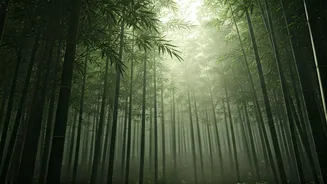
of the visual storytelling: a quiet moment in a Kyoto bamboo forest, followed by the exhilarating sensory overload of Shibuya Crossing. Every street, every meal, and every train ride offers a perfectly composed shot. This isn't just about crafting the perfect Instagram grid; it’s about inhabiting a world where ancient minimalism and futuristic maximalism coexist, providing a rich, visual diary of experiences that feel both timeless and profoundly modern.
A Real-Life Pop Culture Pilgrimage
For many young people around the world, Japan isn’t a foreign country—it’s the source code for their favorite media. Planning a trip in 2026 means visiting the real-life settings of beloved anime like *Jujutsu Kaisen*, exploring the Ghibli Museum (if you can snag tickets!), or hunting for vintage Pokémon cards in Akihabara. It's a pilgrimage to the heart of a cultural empire that has shaped global entertainment for decades. Unlike visiting a film set in Hollywood, in Japan, the culture that creates this art is woven into daily life. You can eat the ramen a character obsesses over, ride the trains they ride, and feel the atmosphere that inspired the story. It’s the ultimate immersive fan experience.
Food That's an Adventure Itself
Japanese food is so much more than fancy sushi. It’s a universe of affordable, delicious, and deeply comforting cuisine that’s perfect for the adventurous but budget-conscious traveler. Imagine starting your day with a fluffy egg sandwich from a 7-Eleven (a surprisingly gourmet experience), grabbing a steaming bowl of ramen for lunch in a tiny six-seat shop, and finishing with yakitori (grilled skewers) from a street vendor. Japan’s food culture prizes quality and specialization at every price point. This allows travelers to eat exceptionally well without breaking the bank, turning every meal into a discovery rather than just a transaction.
Where Future Tech Meets Ancient Zen
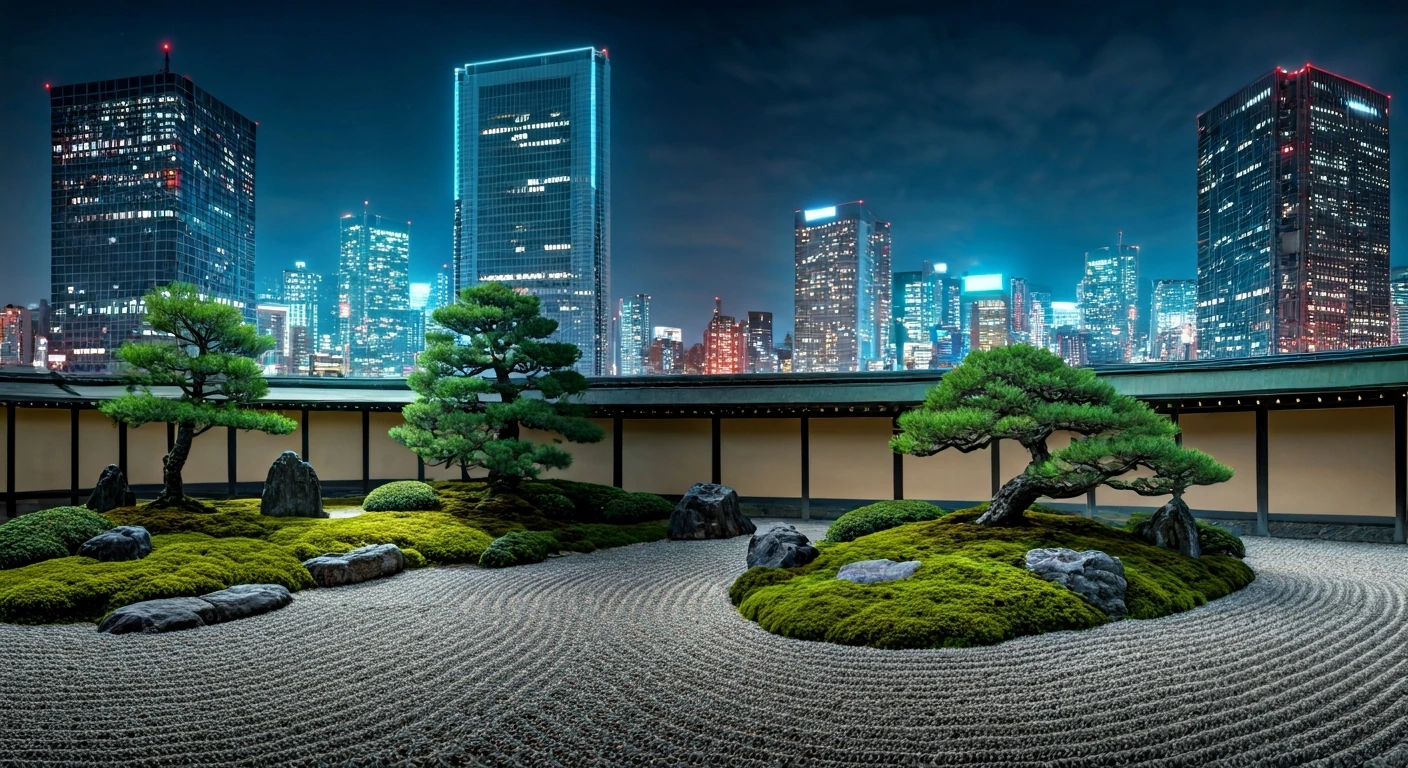
Japan offers a unique glimpse into a future where technology makes life better, not just more complicated. The country's Shinkansen (bullet train) system is a marvel of punctuality and efficiency that makes cross-country travel a breeze. Vending machines dispense everything from hot coffee to full meals. Yet, this hyper-modernity is perfectly balanced by a deep respect for tranquility and tradition. A day spent navigating Tokyo’s intricate subway can be followed by a quiet afternoon in a meticulously raked zen garden or a soak in a natural hot spring (onsen). This duality—the seamless blend of high-tech convenience and mindful serenity—is a powerful draw for a generation navigating the anxieties of a hyper-connected world.
The Safest Place for a First Big Trip
For many, an international trip can be intimidating. Japan consistently ranks as one of the safest countries in the world, making it an ideal destination for first-time solo travelers or groups of friends venturing abroad. The culture places a high value on social harmony and respect, lost items are often returned, and navigating cities is remarkably straightforward thanks to excellent public transport and signage (often in English). This baseline of safety removes a huge layer of travel anxiety, allowing young travelers to focus on exploration and immersion. You can wander through a neighborhood late at night or ask a stranger for directions with a level of confidence that is rare in many other major global destinations.
Why 2026 is the Perfect Timing
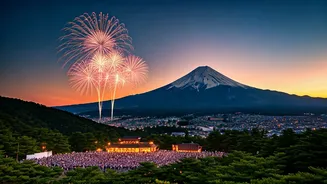
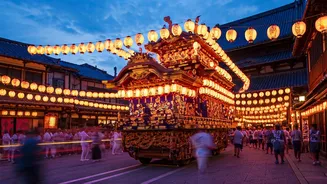
Planning a major trip to Japan nearly two years out isn't procrastination; it's smart strategy. It gives you ample time to save, sidestepping the financial strain of a last-minute booking. More importantly, it allows you to navigate the competitive booking landscape for top-tier experiences like exclusive restaurants, the Studio Ghibli museum, or unique seasonal festivals. By summer 2026, post-pandemic travel patterns will have fully stabilized, but the demand for Japan will likely remain sky-high. Getting ahead of the curve ensures you can craft the exact journey you want, rather than settling for what's left over.