




1. Inhale the Scent of Desert Rain
This is number one for a reason. Ask anyone who lives in the Sonoran or Chihuahuan deserts what the monsoon smells like, and they’ll get a dreamy look in their eyes. The signature scent comes from the creosote bush, a hardy desert plant that releases
an oil called petrichor into the air when the first drops of rain hit the hot, dry ground. It’s an earthy, clean, and utterly distinct aroma that signals relief and renewal. The first item on any true monsoon bucket list isn't something you *do*, but something you experience: stepping outside onto a covered patio or cracking a window the moment a storm begins, closing your eyes, and taking a deep breath. It’s the official perfume of summer in the Southwest.
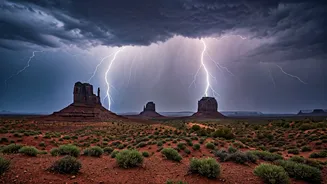
2. Watch a Lightning Show—From a Safe Distance
Monsoon storms are not gentle summer showers; they are spectacular, often violent displays of nature’s power. The lightning shows can be breathtaking, with bolts spiderwebbing across the entire sky or striking down in dramatic, singular flashes. Finding a good viewpoint is a cherished pastime. Many locals will watch from a window, a covered porch, or even their car parked in a safe, elevated spot with a wide view of the horizon. The key word here is *safe*. This is a spectator sport, not a contact one. Never stand under a tree or in an open field during a storm. The goal is to appreciate the awesome power of the storm from a secure location, witnessing the sky-splitting light show that accompanies the life-giving rain.
3. Hunt for a 'Second Spring' of Wildflowers
While the Southwest is famous for its spring superblooms, the monsoon brings what locals call the "second spring." The summer rains awaken a different set of seeds that have been lying dormant. After a few solid storms, the desert floor can transform with bursts of color. Look for vibrant yellow bundles of cinchweed (also called golden fleece), the cheerful faces of desert marigolds, and the striking, trumpet-shaped blooms of the sacred datura. Hiking in the days following a good rain offers a completely different experience than a dry-season trek. The air is cooler, the ground is soft, and the landscape is dotted with unexpected life.
4. Photograph the Epic Cloudscapes
Before, during, and after a storm, the sky becomes an artist’s canvas. The monsoon builds massive, towering cumulonimbus clouds that can climb tens of thousands of feet into the atmosphere. Their sheer scale and sharp, dramatic edges against a blue sky are a photographer’s dream. In the late afternoon, as the sun begins to set, these clouds catch the light, turning brilliant shades of orange, pink, and purple. Capturing the shifting light and monumental cloud architecture is a core part of the monsoon experience. You don't need a fancy camera; even a smartphone can capture the incredible drama unfolding overhead. It’s a reminder that the storm's beauty isn't just in the rain and lightning, but in the entire atmospheric performance.
5. Go Puddle Jumping (or Temporary River Kayaking)
Monsoons can drop a significant amount of rain in a very short time, temporarily transforming dry, dusty landscapes. Parks, washes, and low-lying areas can become shallow lakes overnight. For kids and the young at heart, this means epic puddle-jumping opportunities. In some areas with large, flat basins, the runoff creates temporary bodies of water big enough for kayaking or paddleboarding—a surreal experience in the middle of the desert. However, this activity requires extreme caution. Never enter a flowing wash or arroyo. Flash floods are the monsoon’s greatest danger, carrying debris and moving with terrifying speed and force. Stick to still, pooled water in safe, open areas far from active water channels.
6. Listen for the Frogs
The desert is mostly silent on a hot, dry night. But after a monsoon rain, the night comes alive with sound. Couch's spadefoot toads, which can spend up to ten months of the year burrowed underground in a state of suspended animation, emerge en masse to breed in the temporary pools. Their chorus is a loud, bleating, almost sheep-like sound that can fill the air. Finding a freshly formed puddle and just listening to the cacophony is a magical and uniquely Southwestern experience. It's the desert's ultimate sign of life, a noisy celebration made possible by the return of the water.