





1. Swap Weekly Meat for a Better Bean
The message to eat less meat, particularly beef, isn't new. But rather than eliminating it, focus on replacement. The easiest entry point is ground meat. Instead of a pound of ground beef for your chili or tacos, try a can of black beans or lentils. They’re
packed with fiber and protein, are exceptionally cheap, and have a tiny fraction of the carbon footprint. A 50/50 blend of meat and mushrooms or lentils in burgers and meatloaf is another great trick. You keep the familiar texture while slashing the environmental impact and cost.
2. Swap Almond Milk for Oat or Soy Milk
Switching from dairy is a common first step for many, but not all plant-based milks are created equal. Almond milk, while popular, is incredibly water-intensive, with a single glass requiring an estimated 20 gallons of water to produce—often in drought-prone areas like California. A more sustainable swap is oat milk, which requires significantly less water and land. Soy milk is another excellent, protein-rich choice with a low environmental footprint. This isn't about ditching your preference, but making an informed choice where you can.
3. Swap Perfect Produce for the 'Ugly' Ones
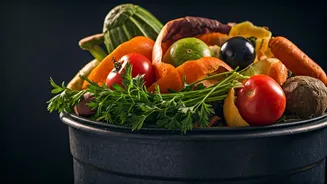
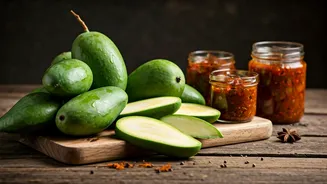
An estimated 30-40% of the food supply in the U.S. is wasted, and much of that happens before it even reaches your cart. Supermarkets reject billions of pounds of produce each year for purely cosmetic reasons—a misshapen pepper, a scarred apple, or a carrot with two legs. You can combat this by signing up for a subscription box from services like Misfits Market or Imperfect Foods, which rescue this perfectly edible produce and deliver it to your door, often at a discount. It's a direct way to reduce food waste at the agricultural level.
4. Swap Canned Tuna for Tinned Mussels or Sardines
The convenience of canned tuna is hard to beat, but many tuna populations are severely overfished. Instead of giving up on tinned fish altogether, explore the wider, more sustainable world of conservas. Tinned mussels, sardines, and mackerel are delicious, nutrient-dense alternatives. These smaller, faster-reproducing fish are lower on the food chain, making them a more resilient and eco-friendly choice. Mussels, in particular, are often farmed in ways that can actually help clean the surrounding water.
5. Swap Plastic Wrap for Reusable Covers
Single-use plastics are a major source of pollution, and the kitchen is a primary offender. One of the easiest swaps is to ditch the roll of plastic wrap. For covering bowls, use a plate, a reusable silicone lid, or a beeswax wrap—a piece of cloth coated in beeswax that becomes pliable with the warmth of your hands. For packing sandwiches or snacks, reusable silicone bags or stainless steel containers are a one-time purchase that replaces hundreds of plastic baggies over their lifetime.
6. Swap a Grocery Run for a 'Pantry Challenge'
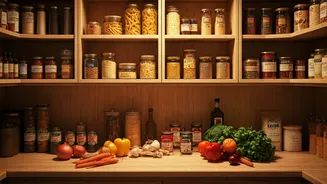
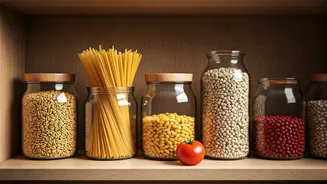
The most sustainable ingredient is the one you already have. Before your next big grocery trip, challenge yourself to make one or two meals using only what’s in your pantry, fridge, and freezer. That forgotten can of chickpeas, the half-bag of quinoa, and those frozen vegetables can likely become a fantastic grain bowl or soup. This simple practice combats personal food waste, saves money, and forces creativity in the kitchen. It reframes sustainability not as buying more 'eco-friendly' products, but as thoughtfully using what you own.