


A Time Capsule in the Clouds
To understand Shimla, you first have to understand its past. This isn't just another mountain town; it was the summer capital of the British Raj. From the mid-19th century until India's independence, the entire colonial administration would decamp from
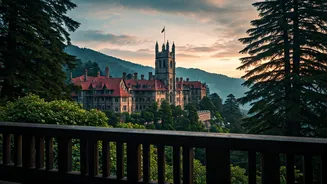
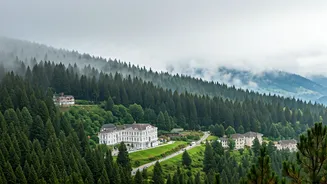
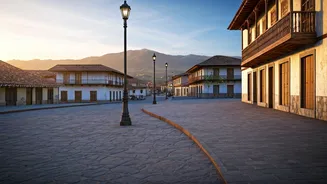
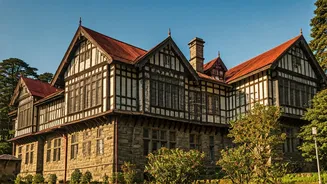
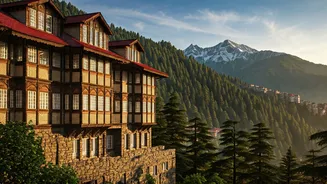
the sweltering plains of Delhi and Kolkata to this cool, forested ridge. The result is a city that feels, in many ways, like a piece of British history preserved in Himalayan amber. Walk along the famous Mall Road, a pedestrian-only promenade, and you're surrounded by mock-Tudor and neo-Gothic structures. Buildings like the Gaiety Theatre, which has hosted plays since the 1880s, and the imposing Christ Church, with its stained-glass windows, aren't just relics; they're the living, breathing heart of the city’s identity. This architectural inheritance is the bedrock of Shimla's nostalgia, a constant, beautiful reminder of a bygone era.
The Call of the Hills
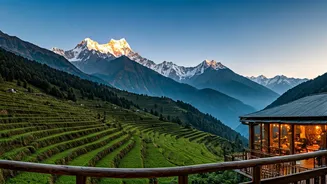
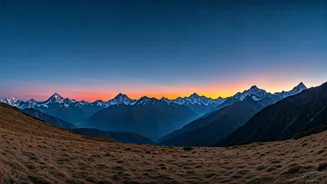
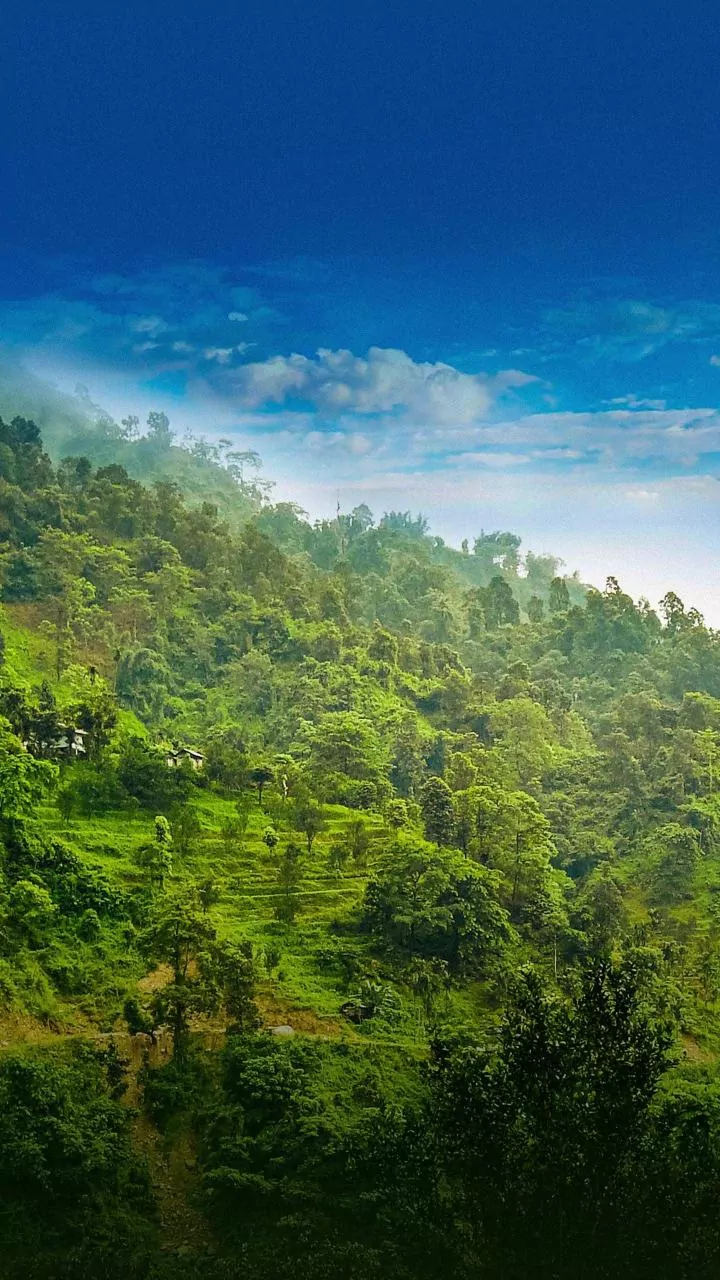
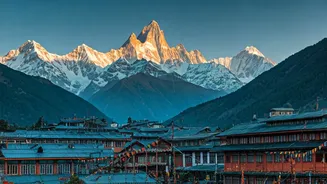
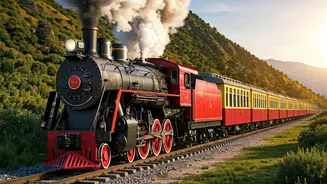
The British chose Shimla for its elevation, and the hills remain its most dominant feature. The journey itself is part of the magic. The Kalka-Shimla Railway, a UNESCO World Heritage Site, is a narrow-gauge “toy train” that winds its way through more than 100 tunnels and over 800 bridges, offering breathtaking glimpses of deep valleys and terraced farms. Once you arrive, the landscape defines your experience. A morning walk up to the Jakhu Temple, perched on the city's highest peak and guarded by legions of monkeys, rewards you with panoramic views of snow-capped Himalayan ranges. The Ridge, a large open space in the heart of town, acts as Shimla's public square, where locals and tourists gather to watch the sunset paint the sky. It's a place where the grandeur of nature feels both immense and accessible, a constant, humbling backdrop to the city's colonial charm.
A Contemporary Soundtrack
But Shimla is not stuck in the past. Tucked between the historic buildings and winding alleyways is a surprisingly modern and vibrant cultural scene. The “music” in Shimla’s air is both literal and metaphorical. It's the murmur of conversation spilling out of the legendary Indian Coffee House, a decades-old institution where intellectuals and writers have long gathered over subsidized coffee. It's the acoustic guitar sets in cozy, wood-paneled cafes that have sprung up to cater to a new generation of travelers. And it’s the buzz of the Lower Bazaar, a chaotic, colorful market below the polished Mall Road, where you can hear the true, unfiltered rhythm of local life. This contemporary layer doesn't erase the city's history; it harmonizes with it. Young Indians and international tourists now wander the same paths as British viceroys, but they do it with smartphones in hand, seeking out the perfect espresso or a local craft beer.
Where Past Meets Present
What makes Shimla truly special is the seamless blend of these elements. You can spend the morning exploring the Viceregal Lodge, a magnificent Scottish baronial mansion that now houses the Indian Institute of Advanced Study, feeling the weight of the historic decisions made within its walls. In the afternoon, you can be hiking a quiet trail through a deodar forest, feeling utterly removed from civilization. By evening, you're back on the Mall, enjoying a modern meal and listening to a live band. The nostalgia isn't a performance; it’s an environment. It’s the feeling of walking streets built for horse-drawn carriages while checking Google Maps, of seeing a century-old church next to a modern storefront. Shimla doesn't ask you to choose between the historic and the contemporary, the natural and the man-made. It serves them all together on one beautiful, misty platter.