




Moving Beyond the Postcard
The Golden Triangle offered, and still offers, a magnificent introduction to India. It’s a crash course in history, color, and controlled chaos that delivers on its promise of iconic sights like the Taj Mahal. Yet for a country that is more like a continent
in its diversity, this one-size-fits-all itinerary always felt a bit limiting. Travelers would return with incredible photos but a shared, almost uniform, experience. Now, a profound shift is underway. Driven by a new wave of curious travelers and a forward-thinking Indian tourism industry, the map of accessible India is being redrawn. The new directive is to go wider—exploring regions once considered off-the-beaten-path—and to travel wiser, seeking connection over checklists.
Going Wider: The New Frontiers
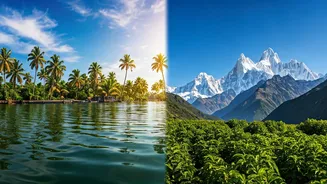
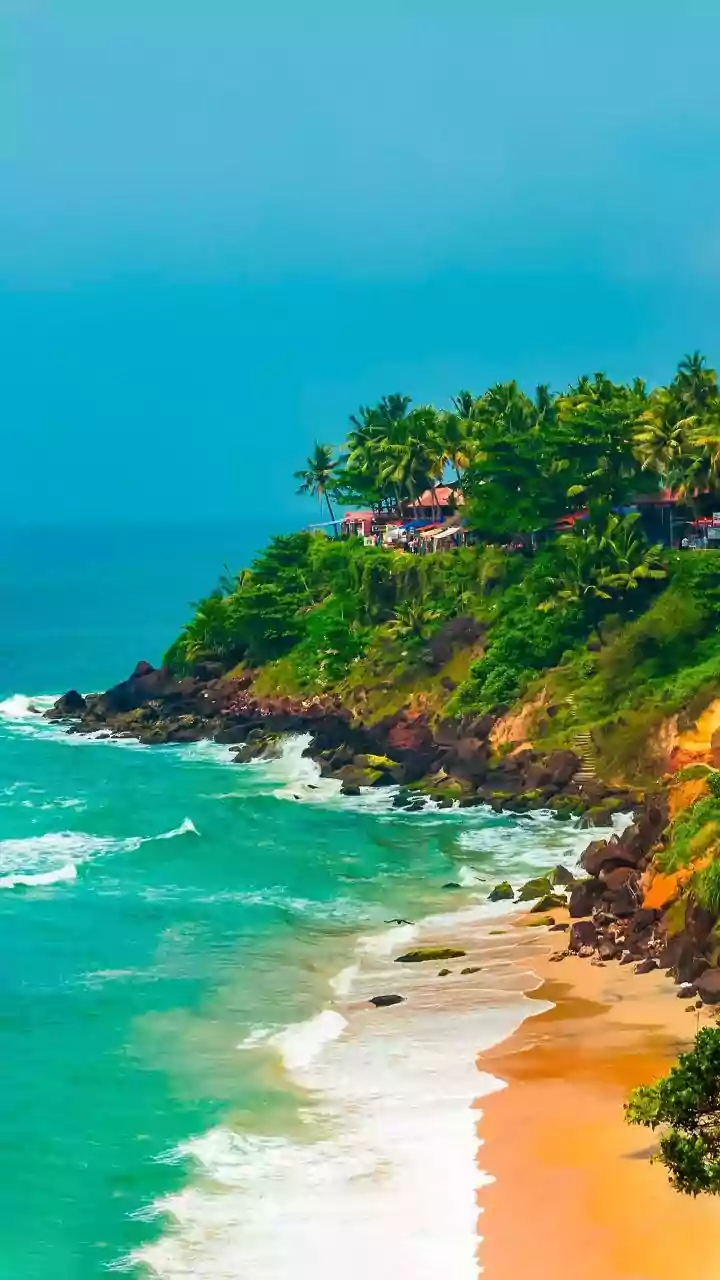
The “wider” part of the equation is about geography. Travelers are finally venturing into corners of the country that offer entirely different narratives. Consider India's Northeast, the cluster of states often called the 'Seven Sisters.' Connected to the rest of the country by a narrow corridor of land, this region is a world away from the desert landscapes of Rajasthan. Here, in states like Sikkim and Nagaland, you’ll find mist-shrouded Himalayan monasteries, vibrant tribal cultures with unique festivals, and a biodiversity that rivals the Amazon. Similarly, the Andaman and Nicobar Islands, floating in the Bay of Bengal, are emerging as a world-class destination for diving and pristine, undeveloped beaches, offering an alternative to more crowded Southeast Asian islands. Down south, travelers are looking past Goa's party scene to discover the serene backwaters of Kerala in a houseboat or the boulder-strewn, otherworldly ruins of Hampi in Karnataka.
Traveling Wiser: From Sightseeing to Soul-Searching
Perhaps more significant is the pivot to “wiser” travel. This isn't about being smarter, but more intentional. It represents a move away from frantic, box-ticking tourism toward slower, more meaningful engagement. It's the difference between snapping a photo of a yoga pose and committing to a week-long ashram retreat in Rishikesh, the global capital of yoga. It's choosing a community-run homestay in the mountains of Himachal Pradesh over a generic hotel, directly supporting the local economy and gaining authentic cultural insight. This trend also embraces sustainability. A growing number of eco-lodges, particularly in wildlife-rich areas like Madhya Pradesh's national parks, are offering luxurious stays with a minimal environmental footprint. This conscious approach transforms a vacation from a passive act of consumption into an active, respectful exchange.
What's Driving the Change?
This evolution isn’t happening in a vacuum. The Indian government has been actively promoting diversification through initiatives like the 'Swadesh Darshan' scheme, which develops theme-based tourist circuits (like a Buddhist circuit or a coastal circuit) to draw visitors beyond the usual hubs. Vast improvements in domestic infrastructure, including the expansion of regional airports and better road connectivity, have made remote areas more accessible than ever before. Simultaneously, a new generation of Indian-owned boutique travel agencies is curating bespoke, experience-led itineraries that cater to this hunger for authenticity. And, of course, there’s the power of social media, which has allowed travelers to showcase hidden waterfalls, remote monasteries, and unique culinary experiences, inspiring others to bypass the tourist traps for something more genuine.