


What Is a Wellness Corner?
Forget the sprawling, dedicated home gym or spa-like bathroom renovation. The wellness corner is its more accessible, democratic cousin. It’s not necessarily a room, but a designated space—no matter how small—purposefully designed to support mental and
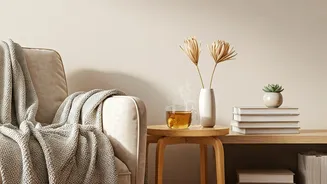
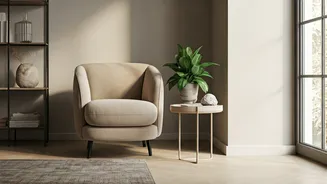
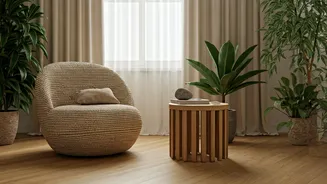
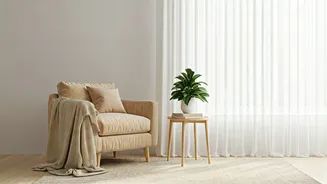
emotional well-being. Think of it as a personal ‘do not disturb’ zone. This might be a comfortable chair in a quiet nook with a stack of books, a small patch of floor space for a yoga mat and meditation cushion, or even a windowsill adorned with calming plants and a favorite candle. The defining feature isn't size or expense, but intention. It's a physical boundary you create in your home that encourages you to set a mental boundary, signaling to your brain that it’s time to decompress, disconnect from screens, and focus on restorative activities like reading, journaling, meditating, or simply breathing.
The Psychology Behind the Trend
The rise of the wellness corner is a direct response to our increasingly hectic, digitally-saturated lives. As the lines between work and home blurred for millions of Americans, so did our ability to mentally switch off. Our homes, once a refuge, became the backdrop for Zoom calls and endless to-do lists. This created a profound need for sanctuary within our own four walls. Interior designers and psychologists agree that our environment has a significant impact on our mood and stress levels. By carving out a space dedicated to calm, we are engaging in a form of environmental self-care. It’s a tangible, visual reminder to prioritize our own well-being. This trend isn't just about aesthetics; it's a practical tool for managing stress, a quiet rebellion against the 'always-on' culture that has crept into our living rooms.
Sight: Create Visual Calm
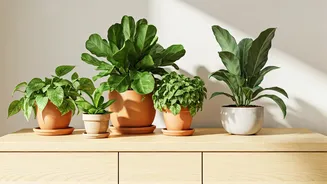
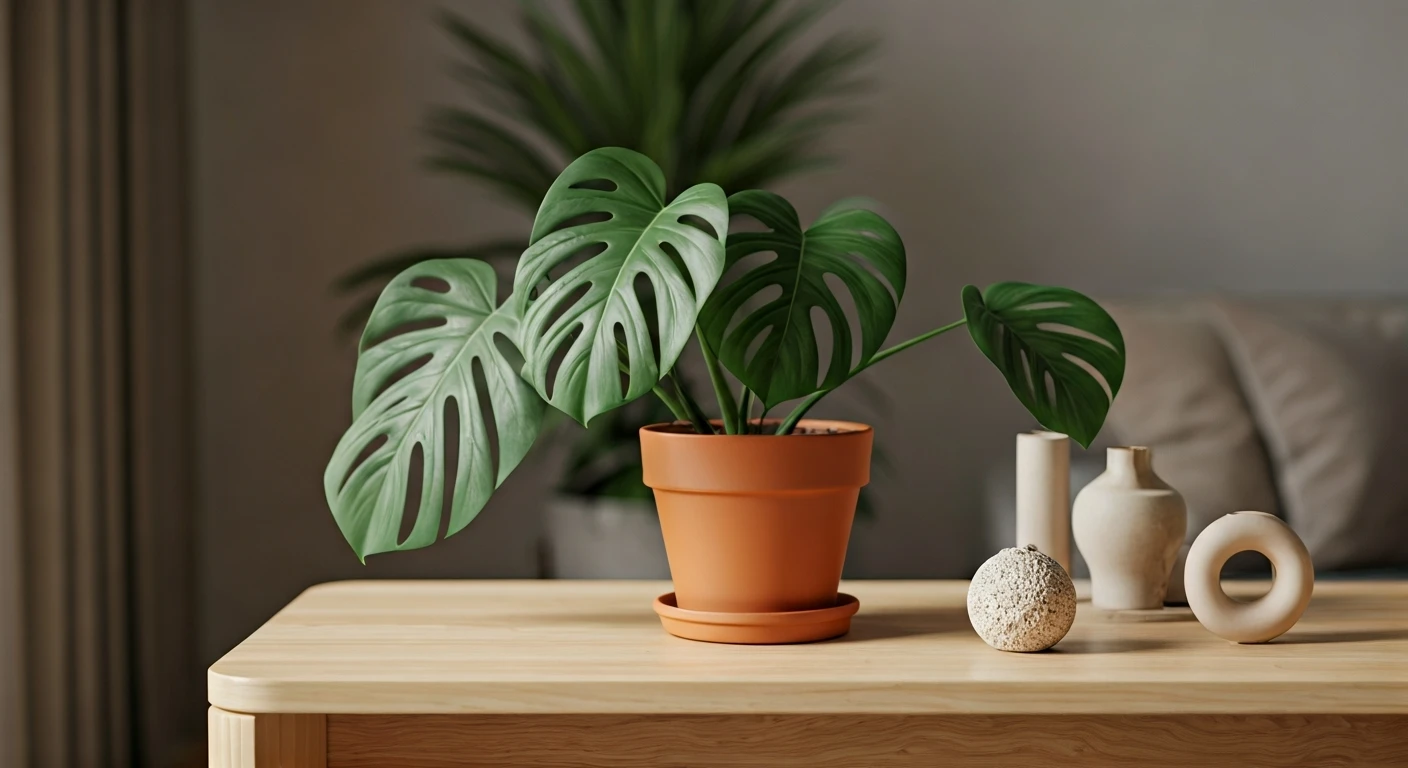
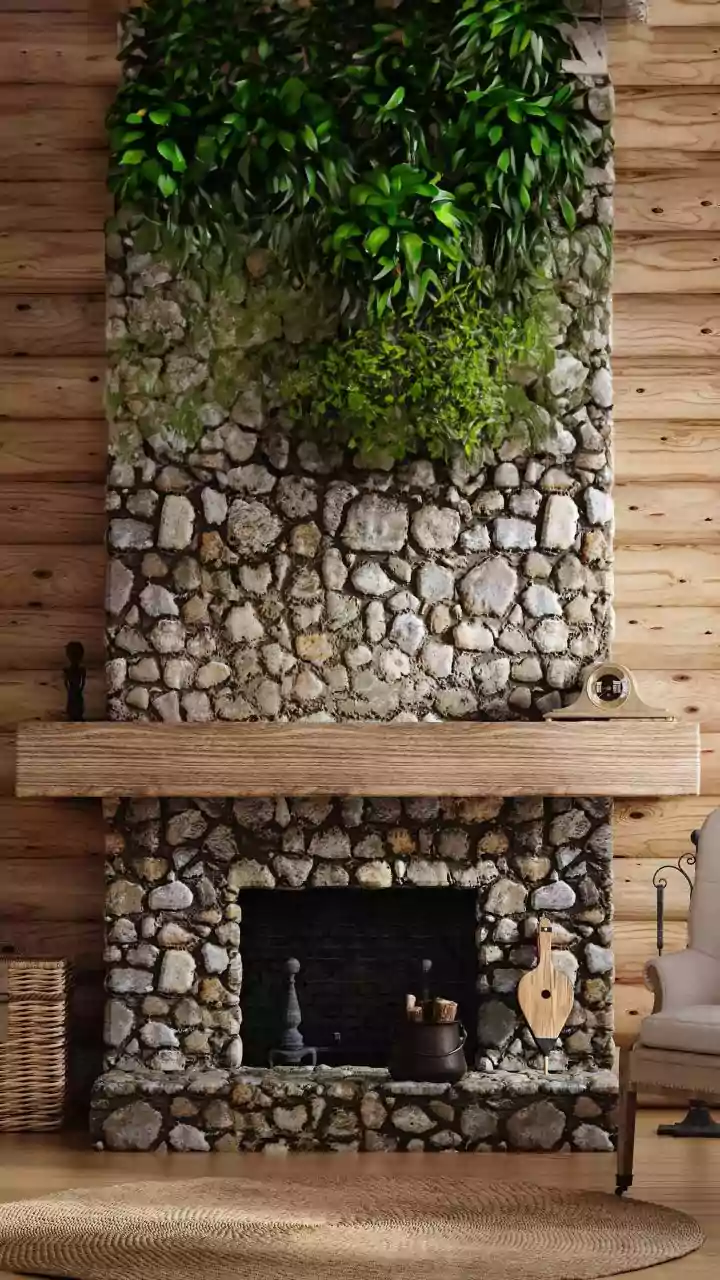
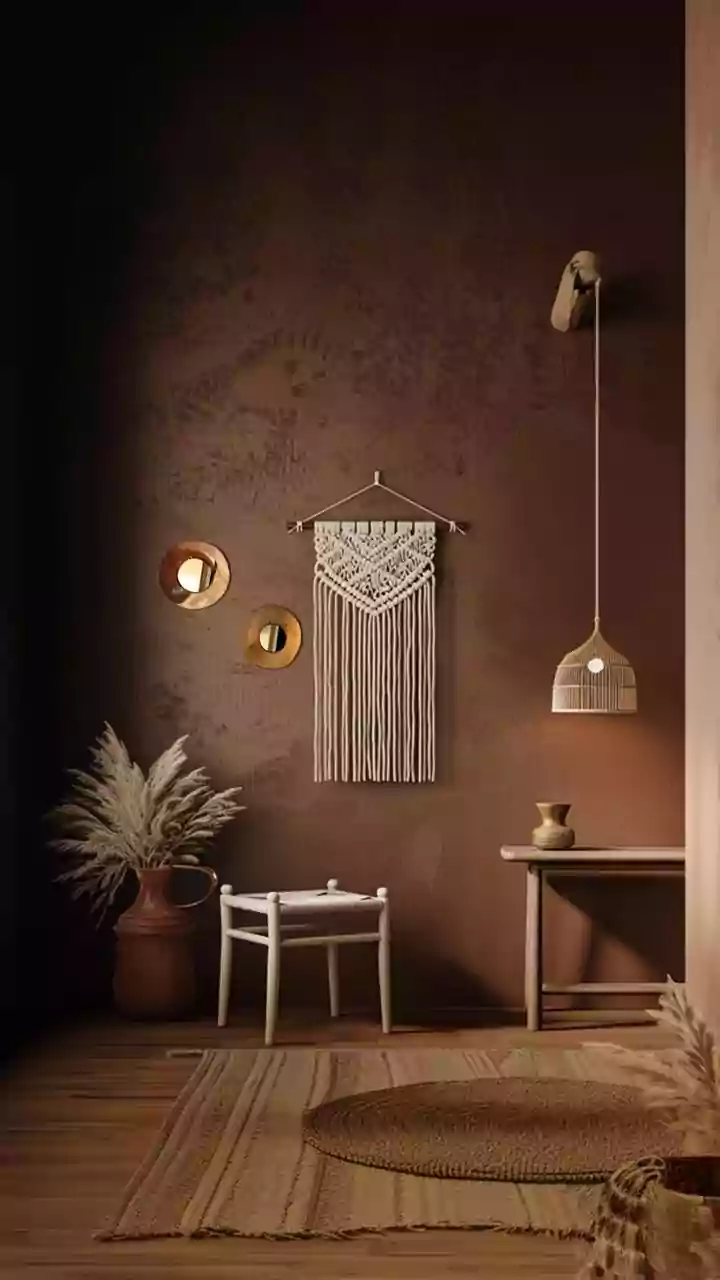
The first step in creating a wellness corner is to please the eye. Start by decluttering. This space should be free of mail, stray electronics, and other reminders of daily stress. If possible, choose a spot with natural light, which is proven to boost mood. If that’s not an option, opt for soft, warm lighting from a floor lamp or a salt lamp. The color palette should be soothing. Think earthy tones, soft blues, gentle greens, or warm neutrals. Finally, incorporate nature. A simple houseplant, a vase of fresh flowers, or even a small piece of art depicting a natural landscape can instantly make a space feel more serene and grounded.
Sound, Scent, and Touch: Engage the Other Senses
A truly immersive wellness corner engages more than just your eyes. To manage sound, consider a pair of noise-canceling headphones, a small tabletop water feature for gentle ambient noise, or a smart speaker to play calming music or guided meditations. For scent, introduce relaxing aromas through an essential oil diffuser (lavender, chamomile, and sandalwood are popular choices), a high-quality scented candle, or a simple bundle of dried eucalyptus. Finally, don't underestimate the power of touch. Layer textures to create a sense of comfort and coziness. Think a plush, high-pile rug underfoot, a chunky knit blanket, a velvet cushion, or a smooth wooden stool. These tactile elements make the space physically inviting and comforting.
No Spare Room? No Problem.
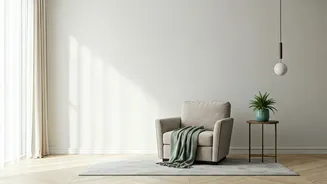
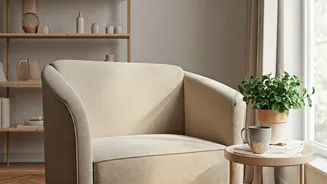
The beauty of the wellness corner is its scalability. You don't need a spare bedroom to participate in this trend. For apartment dwellers or those in smaller homes, creativity is key. A corner of your bedroom can be transformed with a comfortable floor pillow and a small side table. An unused landing at the top of the stairs can become a reading nook with a slim armchair. Even a single bay window can be outfitted with a bench cushion and a few plants. Some of the most effective wellness corners are incredibly simple: a yoga mat that you unroll in the same spot every morning, or a comfortable chair angled away from the rest of the room to create a sense of separation. It's about claiming a few square feet for yourself and infusing it with intention.