




From Chore to Cherished Ritual
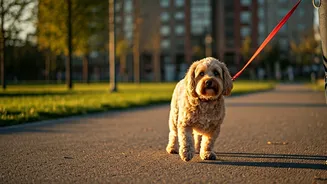
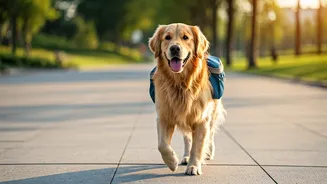
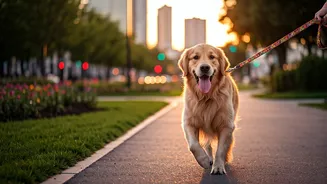
Not long ago, the urban dog walk was a simple transaction: a necessary, often rushed, break for a pet to relieve itself. It was a chore to be checked off a list, squeezed between a morning commute and an evening meal. Today, that paradigm has shifted
dramatically. Driven by the cultural evolution of pets from property to family members, the daily walk is being reimagined as protected, quality time. Modern 'pet parents' see these outings not as an obligation, but as a vital opportunity for bonding, mental stimulation, and shared joy. This isn't just about spoiling a pet; it’s about acknowledging their complex emotional and sensory needs. In a world of digital distraction and packed schedules, the dog walk has become a rare, analog moment to be present—a small, daily ritual that grounds both owner and animal in the physical world.
The Rise of the 'Sniffari'
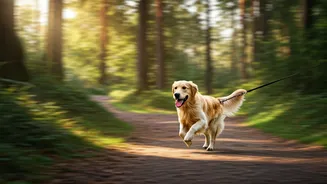
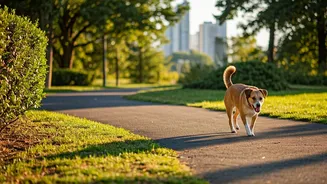
One of the most popular ways walks are being elevated is through the concept of the 'sniffari'—a portmanteau of 'sniff' and 'safari.' The premise is simple but profound: let the dog lead. Instead of pulling the dog along a predetermined route, the owner follows where the dog's nose takes them. For a canine, whose primary sense is smell, this is the equivalent of a human visiting an art gallery or reading a fascinating book. Every fire hydrant, patch of grass, and discarded pizza crust tells a story. Allowing a dog to spend minutes deeply investigating a single spot isn't a waste of time; it's a form of deep mental enrichment that can be more tiring and satisfying than a brisk, mindless jog. This approach de-centers the human’s goal (exercise, speed) and re-centers the dog’s experience, turning a walk into a sensory exploration that reduces stress and anxiety.
The City as an Adventure Course
Creative owners are also transforming monotonous cityscapes into canine playgrounds. This trend, sometimes informally called 'urban agility' or 'parkour for dogs,' uses existing infrastructure for physical and mental challenges. A low park bench becomes a hurdle to jump over or a platform for a 'sit-stay.' A set of wide, shallow steps is an opportunity to practice coordination. A sturdy tree is a point for a 'go-around' command. This type of engagement does more than just burn off energy. It builds a dog’s confidence and strengthens the communication between pet and owner. By teaching a dog to interact with its environment in a controlled, positive way, owners are providing stimulation that a simple walk on a leash can't match. It transforms the world from a place to simply move through into a landscape of interactive possibilities.
Fostering Canine and Human Connection
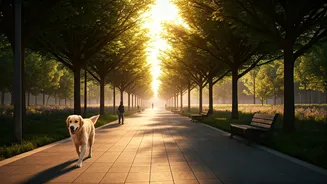
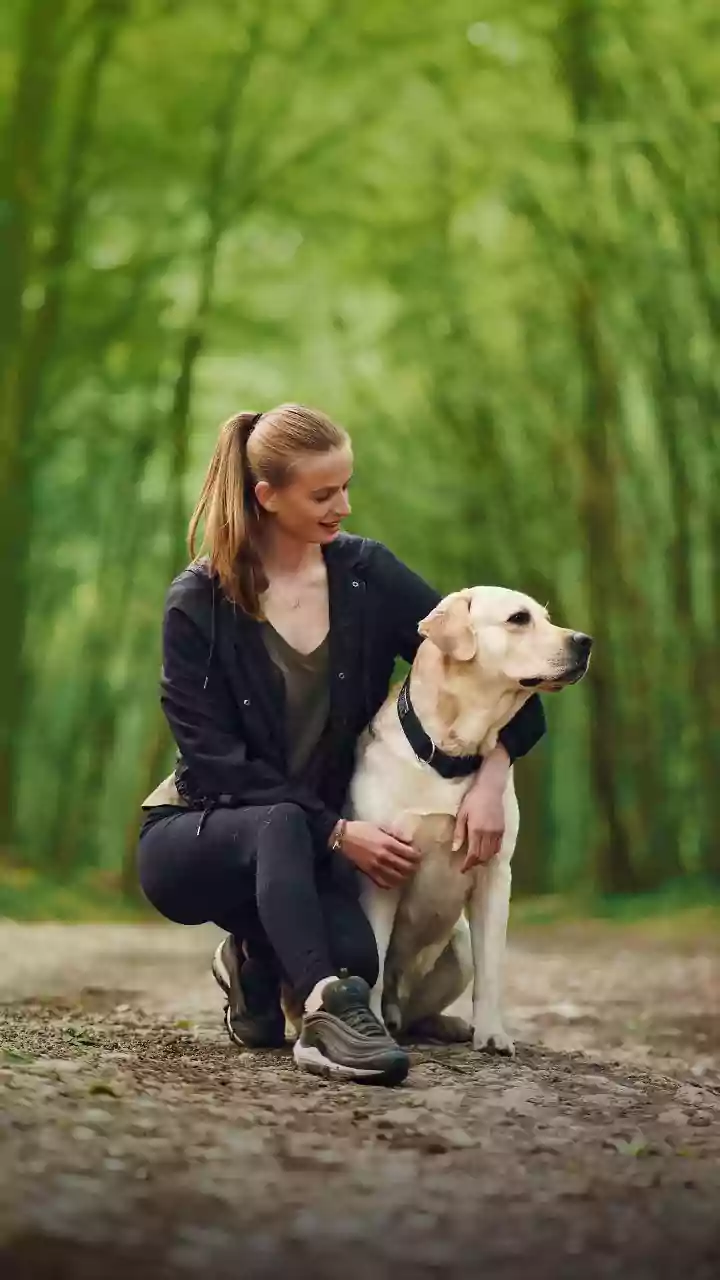
These experiential walks are also having a surprising social impact. As owners spend more focused time outdoors with their pets, they’re creating new micro-communities. Organized 'pack walks,' where groups of neighbors and their dogs explore a route together, are becoming common. Dog-friendly brewery patios, farmers' market strolls, and weekend hiking trips are extensions of this trend. In dense urban environments where chance encounters can be fleeting, the shared identity of 'dog person' acts as a powerful social lubricant. These intentional walks create a predictable rhythm for neighborhood interaction, turning anonymous neighbors into familiar faces and, often, friends. The dog, in this context, is more than a pet; it’s a social ambassador, building bridges not just between its owner and the world, but between people who might otherwise never connect.