





The Green Dilemma
The rise of the “plant parent” has been one of the biggest home decor trends of the last decade. Instagram feeds are filled with monstera leaves and fiddle-leaf figs, turning living rooms into personal jungles. But for the 66% of U.S. households that
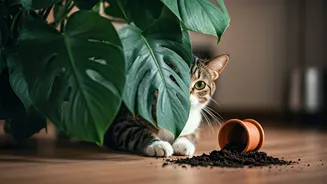
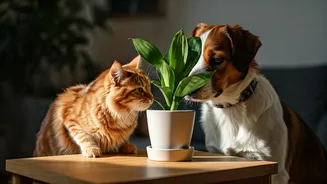
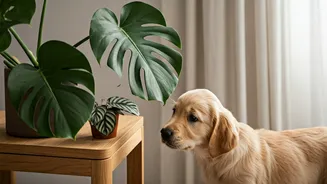
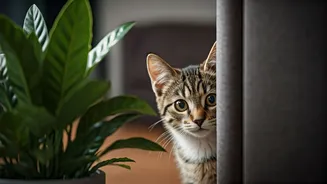
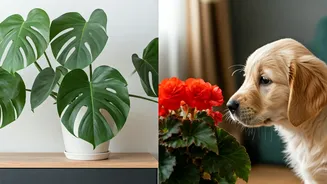
own a pet, this trend comes with a hidden risk. Cats are notorious for nibbling on leaves, and curious dogs often chew what they shouldn’t. This isn't just a minor nuisance; according to the American Society for the Prevention of Cruelty to Animals (ASPCA), plant ingestion is a common reason for calls to their Animal Poison Control Center. The challenge isn't about choosing between plants and pets. It's about understanding the real risks and making informed choices, so your home can be beautiful, green, and, above all, safe.
The Usual Suspects: Common Toxic Plants
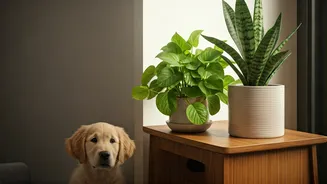
Many of the most popular and aesthetically pleasing houseplants are unfortunately toxic to cats and dogs. The severity ranges from mild gastrointestinal upset to severe organ failure. Here are a few common culprits to be aware of: - **Lilies:** For cat owners, this is the big one. All parts of any lily plant (including the pollen and vase water) are extremely toxic to felines, causing irreversible kidney failure. Peace lilies and calla lilies, while not “true” lilies, contain oxalate crystals that cause intense oral irritation but are less fatally dangerous. - **Sago Palm:** This popular and rugged-looking plant is a staple in warmer climates and as a houseplant. However, it is incredibly dangerous. Every part of the plant is poisonous, with the seeds being the most toxic, and can cause vomiting, bloody stools, and liver failure, which is often fatal. - **Philodendron & Pothos:** These trailing, easy-to-care-for plants are everywhere. They contain insoluble calcium oxalates, which can cause oral irritation, pain and swelling of the mouth, tongue, and lips, excessive drooling, vomiting, and difficulty swallowing. While rarely fatal, they cause significant discomfort. - **Snake Plant & ZZ Plant:** Hailed for being nearly indestructible, these modern-looking plants are also toxic. Like philodendrons, they can cause pain, nausea, and vomiting if ingested.
Signs of Plant Poisoning in Pets
Since you might not see your pet ingest a plant, knowing the symptoms of poisoning is critical. While signs can vary depending on the plant and the amount consumed, there are several common red flags to watch for. In both cats and dogs, look for: - Drooling or foaming at the mouth - Pawing at the face or mouth - Vomiting or diarrhea - Obvious pain or irritation in the mouth - Loss of appetite - Lethargy or weakness - Difficulty breathing or swallowing More severe poisonings, like those from lilies or sago palms, can lead to tremors, seizures, heart arrhythmias, or signs of organ failure like jaundice or abnormal urination. If you notice any of these signs, it's crucial to act immediately.
What to Do in an Emergency
If you suspect your pet has eaten a toxic plant, time is of the essence. First, safely remove your pet from the area and take away any remaining plant material from their mouth. Do not try to induce vomiting unless specifically instructed to by a professional. Immediately call your veterinarian or the ASPCA Animal Poison Control Center at (888) 426-4435. (Be aware that a consultation fee may apply.) If you can, tell them the name of the plant your pet ingested. If you're unsure, be prepared to describe it or take a photo to help with identification. Prompt action can make all the difference in the outcome for your pet.
Safe and Stylish: Pet-Friendly Beauties
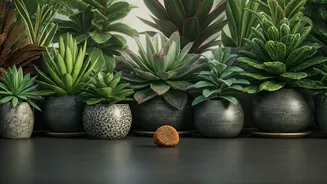
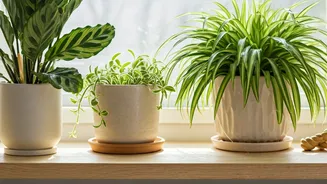
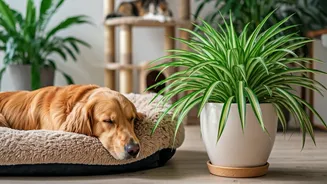
The good news is you don’t have to live in a plant-free home. There is a wide variety of stunning, non-toxic plants that are perfectly safe for curious cats and dogs. - **Spider Plants:** These retro-cool plants are resilient and known for their air-purifying qualities. They are completely safe for pets, though cats may be attracted to their dangly leaves. - **Calathea (Prayer Plants):** With their ornate, beautifully patterned leaves that fold up at night, these plants are showstoppers. The entire Calathea family is non-toxic. - **Boston Ferns:** These lush, feathery ferns add a touch of classic elegance to any room and are perfectly safe for pets to be around. - **Haworthia (Zebra Plant):** If you love the look of succulents but worry about toxicity, many Haworthia species are a great, non-toxic alternative to aloe or jade plants.