



More Than Just a Market
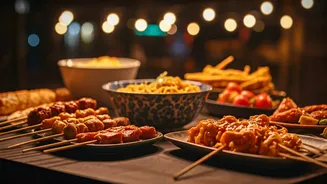
Picture this: The late afternoon sun filters through a canopy of fairy lights strung between industrial-chic beams. Below, a well-dressed crowd weaves between stalls, not with the frenzied energy of a bargain hunt, but with the relaxed air of a weekend
stroll. Indie-folk music drifts from a small stage in the corner, mingling with the aroma of freshly brewed coffee and gourmet tacos. This isn't a traditional Indian market; it's a meticulously crafted experience. Welcome to the world of Delhi's rooftop and pop-up markets, a phenomenon that has quickly become the city’s favorite “weekend bait.” These are not just places to buy things; they are destinations, social hubs designed for lingering, exploring, and, of course, capturing the perfect Instagram post.
Curation Is King
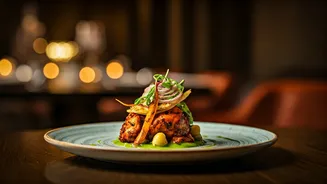
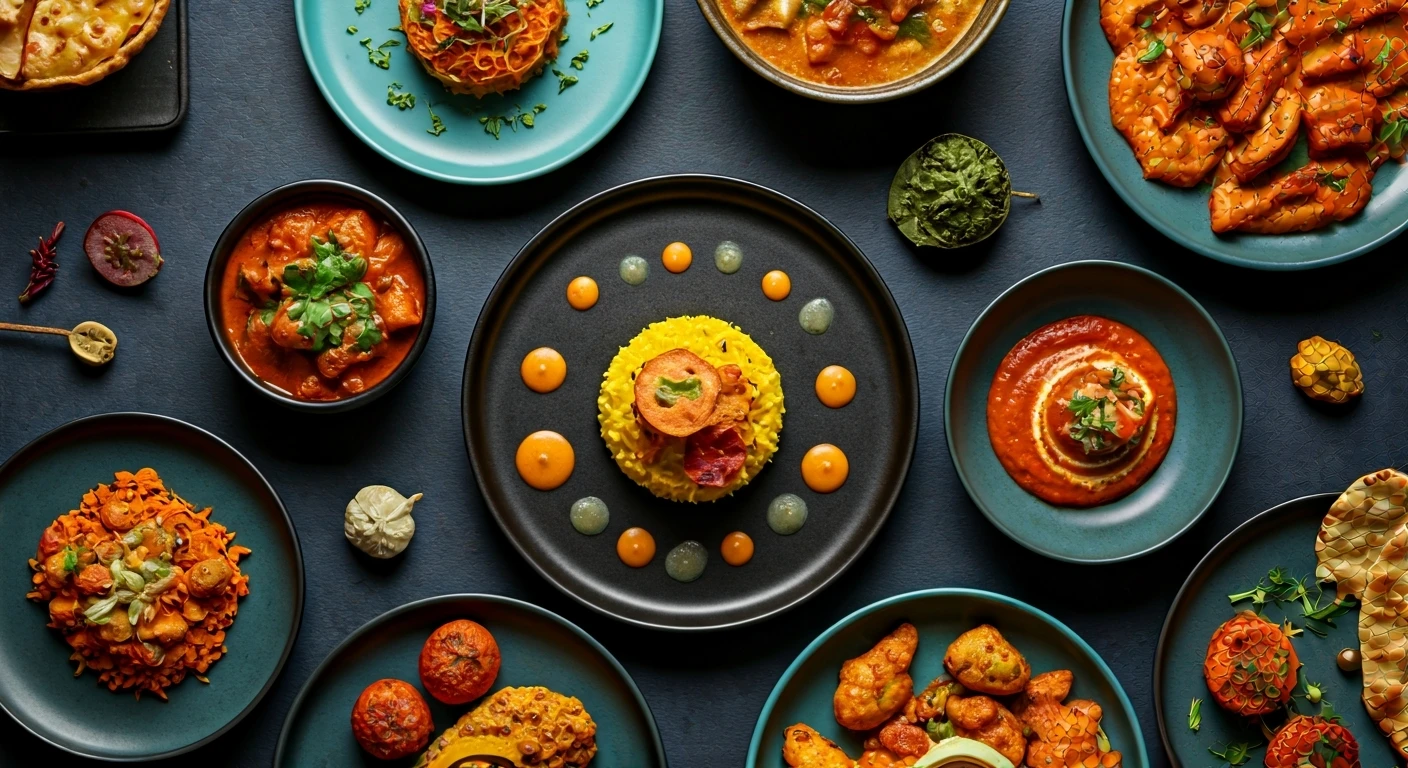
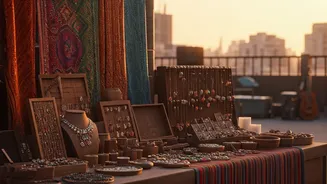
What sets these markets apart from their predecessors is a relentless focus on curation. The vendors aren’t random; they’re handpicked. Organizers in spaces like The Dhan Mill or Champa Gali—once-gritty industrial areas now transformed into creative enclaves—act as tastemakers. They bring together a specific mix of independent brands and artisans that cater to a discerning urban audience. Stalls feature sustainably-made clothing from up-and-coming designers, handcrafted leather goods, bespoke ceramics, and organic skincare products. The food is just as thoughtfully selected. Instead of generic fare, you’ll find artisanal bakers, kombucha brewers, gourmet food trucks, and pop-up kitchens from some of the city’s most innovative chefs. This approach transforms shopping from a chore into an act of discovery, where every purchase feels like you’re supporting a local artist or a small-batch creator.
The New Social Square
While the commerce is compelling, the real draw is the atmosphere. These markets have become the de facto social squares for Delhi's young and creative class. They offer a compelling alternative to the ubiquitous mall or the formal setting of a restaurant. Here, the experience is fluid. You can browse for an hour, grab a craft beer with friends, listen to a live band, and then circle back to pick up a unique piece of jewelry you were eyeing. Many markets also incorporate workshops—pottery making, block-printing, even cocktail mixology—turning a passive shopping trip into an active, engaging afternoon. They function as a physical manifestation of a social media feed, a place to see and be seen, connect with like-minded people, and participate in a shared cultural moment. It’s less about consumption and more about community and belonging.
A Global Vibe, A Local Twist
This trend isn't happening in a vacuum. It mirrors a global shift seen in cities from Brooklyn to Berlin, where consumers are increasingly drawn to authentic, experience-driven retail. Just as Smorgasburg redefined the weekend food scene in New York, these Delhi markets are rewriting the rules for urban leisure in India. They tap into a desire for locality, sustainability, and experiences that feel personal rather than mass-produced. Yet, they retain a distinctly Indian character. Amidst the minimalist design and global food trends, you’ll find designers working with traditional Indian textiles in modern silhouettes, food stalls giving a contemporary twist to regional flavors, and a warmth and vibrancy that is uniquely Delhi. It's a fascinating blend of global cool and local soul, reflecting the aspirations of a new generation in one of the world's most dynamic megacities.