

The Transformer Table
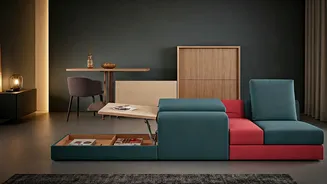
The star of this new movement is the “transformer” table. Think of a sleek, low-profile coffee table that, with a satisfyingly smooth lift-and-lock mechanism, rises to become a perfect work-from-home desk or even a dining table for four. This isn’t the wobbly
TV tray of yesteryear; these are feats of engineering disguised as minimalist decor. The flex here isn’t just having a table—it’s having a table that understands your life. It communicates that your living room is not just a living room, but also a corner office, a bistro, and a movie theater. It showcases an owner who values adaptability and has mastered the art of the multi-purpose space, a far more impressive feat than simply filling a room with static, single-use furniture.
The Disappearing Bed
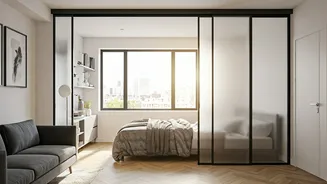
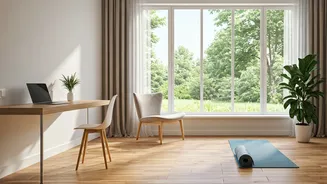
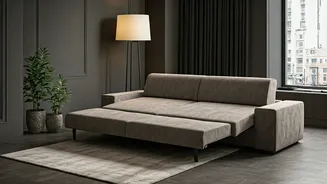
Once a punchline in old black-and-white comedies, the Murphy bed is back with a vengeance. Today’s versions are stylish, safe, and seamlessly integrated into custom cabinetry that can include built-in desks or shelving. In a studio or one-bedroom apartment, reclaiming the entire footprint of your bed during the day is a power move. It’s the architectural equivalent of having a secret room. The brag is implicit: “My apartment is so well-designed that my bedroom simply vanishes when I’m not using it.” It’s a flex that prioritizes utility and active living space over the traditional, static layout of a home, turning a sleeping area into a yoga studio or home gym with one fluid motion.
Modular Marvels
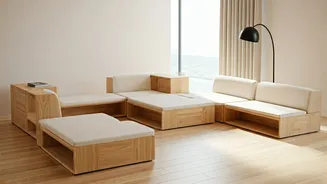
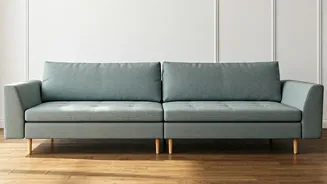
The commitment-phobic generation has found its perfect furniture match: modularity. From sofas that can be reconfigured from a classic three-seater into a chaise lounge or two separate armchairs, to shelving systems that can be expanded or rearranged as your needs change, modular furniture is the ultimate expression of flexibility. Buying a modular piece is a statement against the disposable and the rigid. It says, “I’m investing in a system that can adapt with me, whether I move to a bigger place, a smaller place, or just get bored of my current layout.” The flex is one of foresight and sustainability. You’re not just buying a couch; you’re buying a future-proof living solution, showcasing a level of planning that others can only admire.
Vertical Victories
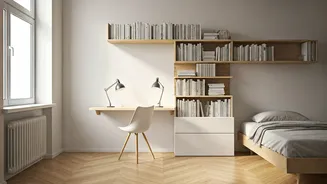
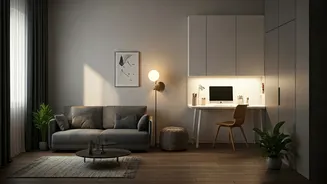
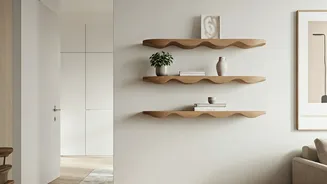
In the world of small-space living, the floor is lava. The true masters of decor know that the most underutilized real estate in any room is the wall space. The new flex is going vertical. We're talking about elegant, wall-mounted desks that fold away to nothing, floor-to-ceiling bookshelves that create a library effect without eating up floor space, and clever pegboard systems that turn kitchen or office storage into a customizable art installation. Using your vertical space well is a sign of design intelligence. It demonstrates a three-dimensional understanding of your environment. It’s a subtle nod to the fact that you’ve solved the clutter problem not by owning less, but by organizing smarter and treating your walls as a canvas for function.
Stealth Storage
The final frontier of the space-saving flex is “stealth storage.” This is furniture that looks like one thing but secretly does another. It’s the chic entryway bench whose seat lifts to reveal a cavernous space for shoes, the stylish ottoman that swallows three throw blankets whole, or the bed frame with hydraulic lifts that grant access to a massive under-bed storage compartment. This isn’t just about hiding your clutter; it’s about the quiet satisfaction of having a home where everything has a place, and most of those places are invisible to the naked eye. The flex is in the surprise and delight. When a guest asks where you keep all your stuff, and you smile as you pat the arm of your seemingly ordinary chair, you’ve won the game.