




Why Pruning Is an Act of Care
To the uninitiated, taking a sharp tool to a beloved plant can feel counterintuitive, even cruel. But think of it less as a haircut and more as a health check-up and a coaching session rolled into one. Done correctly, pruning isn't about restriction;
it's about redirection. You are channeling the plant's energy toward the things you both want: more flowers, stronger stems, and better overall health. The three primary goals of pruning are simple: 1. Health: Removing dead, damaged, or diseased branches prevents decay and stops potential infections from spreading. Thinning out crowded stems also improves air circulation, which is a plant's best defense against fungal diseases like powdery mildew. 2. Vigor and Blooms: Many plants flower on new growth. Pruning away old wood encourages the plant to produce fresh, vigorous stems that will be loaded with flower buds. Even the simple act of snipping off spent blossoms (deadheading) can trick a plant into producing another round of flowers instead of focusing its energy on making seeds. 3. Shape and Size: Left to their own devices, many shrubs and perennials can become leggy, sparse, or just too big for their space. Strategic pruning helps you maintain a plant's natural form, keep it to a manageable size, and prevent it from swallowing its neighbors or flopping over pathways.
Timing Is Everything: Know Your Bloomers
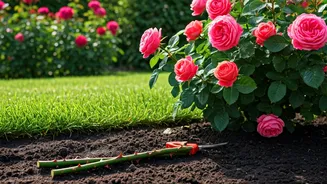
The single most important rule in pruning is knowing when to do it. A well-intentioned cut at the wrong time of year can mean a flowerless season. The key is to understand when your plant forms its flower buds. Spring-Flowering Shrubs (e.g., Lilacs, Forsythia, Azaleas): These plants are the early birds of the garden, and they form their flower buds on “old wood” from the previous season. If you prune them in the late winter or early spring, you'll be cutting off all the future flowers. The rule is simple: prune spring-flowering shrubs right after they finish blooming. This gives them the entire summer and fall to develop the buds for next year's show. Summer-Flowering Shrubs (e.g., Roses, Panicle Hydrangeas, Butterfly Bush): These plants bloom on “new wood,” meaning they produce their flower buds on the growth they make in the current season. This gives you a much wider pruning window. The best time to prune them is in late winter or early spring, just as new growth begins to emerge. This encourages the plant to push out lots of new stems, which will then produce flowers that same summer. Pruning them back hard can lead to a more compact, sturdy plant with larger blooms.
The Three Essential Cuts for Beginners
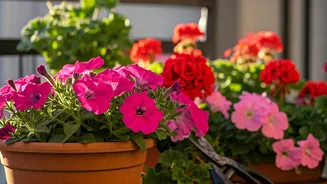
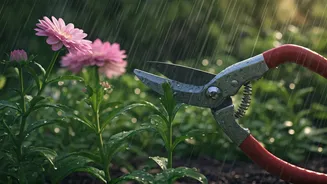
You don’t need to be a master horticulturist to make good cuts. Mastering these three basic techniques will cover 90% of your pruning needs. 1. Deadheading: This is the easiest and most rewarding task. Simply snip off spent flowers. For plants with single stems like zinnias or cosmos, cut the stem back to a set of leaves. For plants with flower spikes like salvia, cut the whole faded spike off. This keeps the plant looking tidy and, for many species, encourages a second flush of blooms. 2. Thinning: This involves removing an entire stem or branch all the way back to its point of origin. Look for branches that are crossing over each other, rubbing, or growing into the center of the plant. A good thinning cut opens up the plant’s structure, letting light and air penetrate the interior. This is the key to preventing a dense, twiggy mess. 3. Shaping (or Heading Back): This is the cut you use to control size and encourage bushiness. You simply trim a stem back to just above a leaf node or a side branch. The plant will respond by sending out new shoots from that point, resulting in a fuller, more compact form. Avoid giving the plant a flat-top “buzz cut” unless you're shaping a formal hedge. A more natural look is achieved by staggering the lengths of your cuts.
Get the Right Tools for the Job
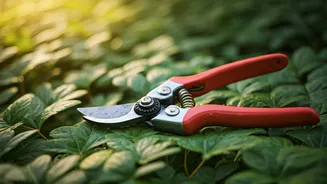
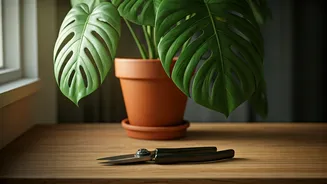
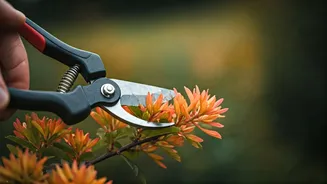
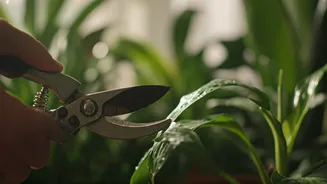
You don't need a shed full of equipment, but using the right tool makes the job easier and healthier for the plant. A dull or crushing tool can damage stems and create an entry point for disease. For most flowering plants, you only need one or two key items: * Bypass Pruners: This is your go-to tool. They work like scissors, with two curved blades that pass each other to make a clean cut. They are perfect for stems up to about a half-inch in diameter. Invest in a good pair that fits your hand comfortably. * Loppers: Essentially bypass pruners with long handles. The extra leverage allows you to cut through thicker branches (up to about 1.5 inches) that your hand pruners can't handle. Before you start, and as you move from plant to plant, wipe your blades with a cloth soaked in rubbing alcohol. This simple step prevents the accidental spread of plant diseases throughout your garden.