

The Philosophy of a Flexible Home
At its core, the concept of a “multi-mood” living space is a direct response to the pressures of contemporary life. The lines between work, rest, and play have blurred, and our homes are the epicenter of this shift. A multi-mood space isn't about having
a different room for every activity; it’s about designing a single room to effortlessly transition between different functions and atmospheres. It’s an approach that prioritizes flexibility, adaptability, and well-being, transforming your living area from a static backdrop into a dynamic partner that supports your mental and emotional state throughout the day. This isn't about a costly gut renovation, but rather a series of intentional choices in lighting, furniture, and sensory details that empower you to curate your environment on demand.
Zone Your Space Without Walls
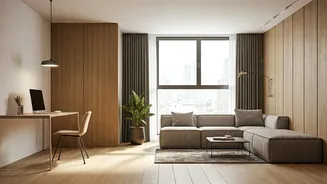
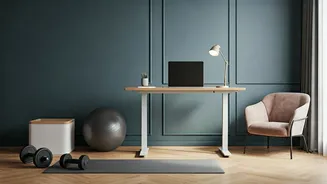
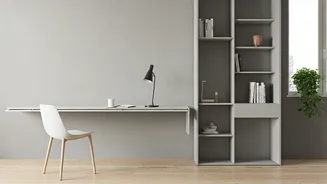
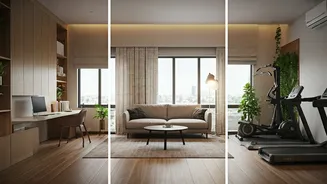
The single most effective strategy for creating a multi-mood room is zoning. In an open-plan living area, this means creating distinct visual and functional zones for different activities. You don’t need walls to do this. A large area rug can instantly anchor a “living room” zone, separating it from a dining or work area. A strategically placed open-backed bookshelf can create a sense of division for a reading nook without blocking light. Even furniture placement can work wonders; angling a sofa and chairs toward each other creates an intimate conversation pit, visually distinct from the rest of the room. The goal is to give each activity its own designated “home,” allowing your brain to switch gears more easily as you move between zones.
Master the Art of Layered Lighting
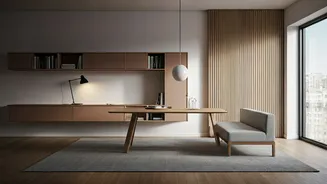
Nothing changes the mood of a room faster than lighting. A single, harsh overhead light is the enemy of a multi-mood space. Instead, think in layers. Start with ambient light from floor lamps or recessed fixtures to provide general illumination. Add task lighting, like a focused desk lamp for work or a reading lamp by a favorite chair. Finally, incorporate accent lighting, such as a small lamp illuminating a piece of art or a plant, to add depth and interest. For ultimate control, use dimmer switches and smart bulbs. With a few taps on your phone or a voice command, you can shift the room from bright and energizing for a morning workout to warm and dim for a relaxing movie night. This ability to instantly alter the atmosphere is the essence of responsive design.
Invest in Agile and Modular Furniture
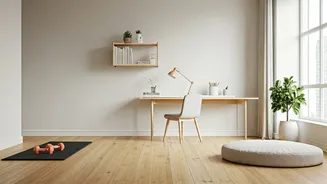
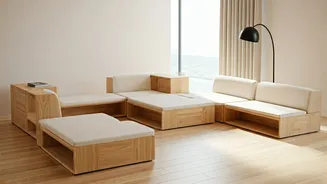
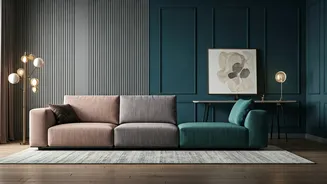
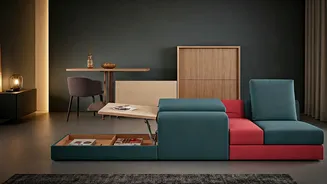
Static, heavy furniture can make a room feel rigid and unchangeable. The multi-mood home celebrates agility. Look for furniture that can serve multiple purposes or be easily reconfigured. A modular sofa can be pulled apart into separate chairs for guests or pushed together for a cozy family movie. A coffee table with hidden storage can hide away work-from-home clutter at the end of the day. Nesting side tables can be spread out when entertaining and tucked away to save space. Even putting a large plant or a side chair on a wheeled base can add a surprising degree of flexibility. This approach allows your space to physically adapt to your needs, whether you're hosting a party, clearing the floor for a yoga session, or settling in for a quiet evening.
Engage All the Senses
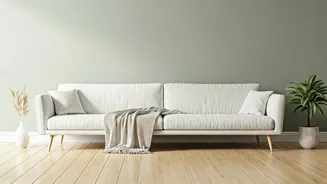
A room's mood is about more than just what you see. Engaging sound, scent, and touch can complete the transformation. Curate different playlists for different moods—upbeat instrumentals for focus, lo-fi beats for relaxing, or a party mix for social gatherings. Use a scent diffuser with different essential oils; citrus or peppermint can be invigorating for the workday, while lavender or sandalwood can signal that it's time to unwind. Finally, consider texture. Keep a basket of soft, chunky knit blankets and plush pillows nearby. Swapping out a lightweight linen throw for a heavy wool one can make the same sofa feel entirely different, shifting the tactile experience from breezy and cool to cozy and enveloping.