





The Downfall of the Quick Fix
For decades, the crash diet was king. From Hollywood fads to magazine-cover promises, the idea of dropping a dramatic amount of weight in an impossibly short time was the dominant narrative in American wellness culture. We were taught to see food as the enemy,
calories as points to be aggressively managed, and deprivation as a sign of discipline. The problem, as millions of us have discovered, is that it simply doesn’t work. Crash diets are built on a foundation of extreme restriction. By cutting out entire food groups or slashing calories to unsustainable levels, they send the body into survival mode. While initial weight loss might be rapid (and mostly water), the metabolic and psychological costs are high. The cycle is brutally predictable: intense restriction leads to cravings and fatigue, which leads to breaking the diet, which is followed by guilt and, often, rebound weight gain that leaves you heavier than when you started. It’s a hamster wheel of hope and disappointment, and people are finally getting tired of running on it.
So, What Is a 'Sensible Plate'?
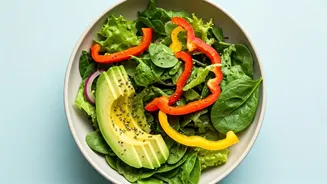
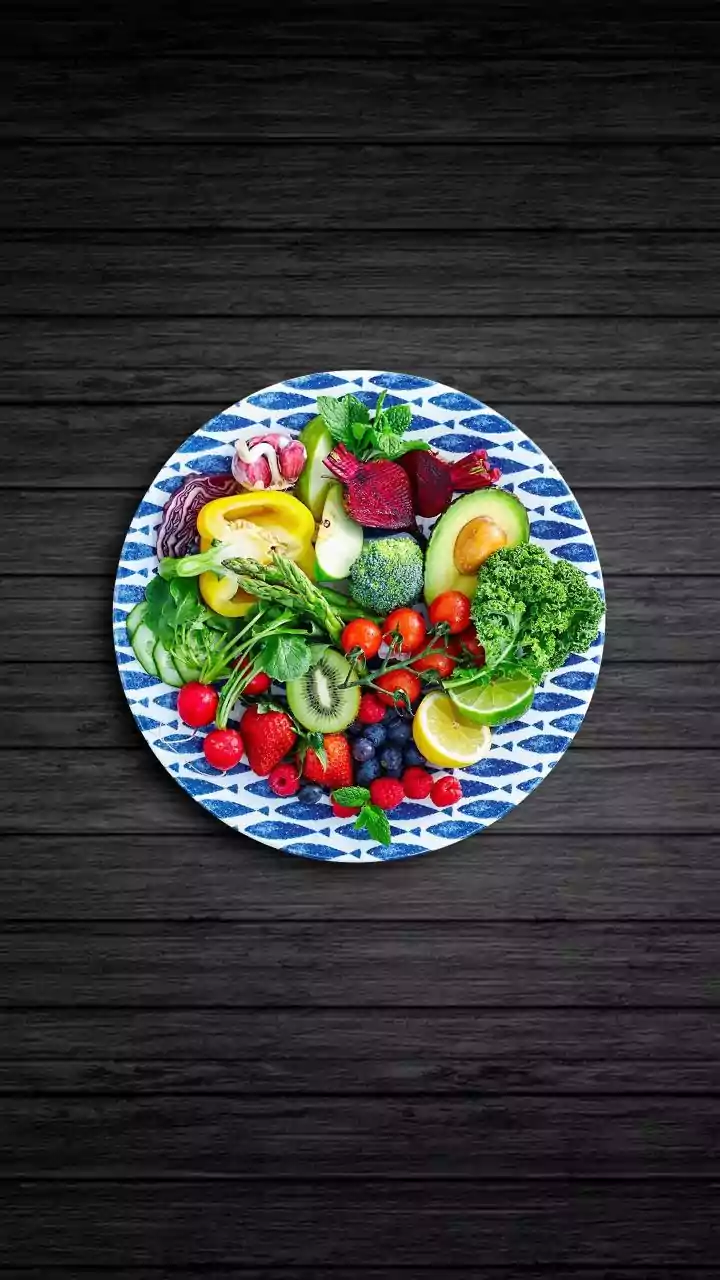
This is where the sensible plate enters, not as another restrictive diet, but as an anti-diet framework. It’s less about rigid rules and more about a simple, visual guide to building a balanced meal. There’s no official trademark or guru—its power lies in its simplicity and adaptability. Imagine your dinner plate. The “sensible” approach suggests filling half of it with non-starchy vegetables: think broccoli, leafy greens, bell peppers, or a big salad. These are nutrient-dense, high in fiber, and low in calories, helping you feel full and satisfied. One quarter of the plate should be dedicated to a lean protein source—chicken, fish, beans, tofu, or lentils. Protein is crucial for muscle repair and satiety. The final quarter is for complex carbohydrates: quinoa, brown rice, sweet potatoes, or whole-wheat pasta. These provide sustained energy without the blood sugar spike-and-crash of refined carbs. Crucially, this isn’t about perfection. It’s a template, not a jail sentence. There’s still room for healthy fats like avocado or olive oil, and it doesn't mean you can never have a slice of pizza again. It just reframes the 'everyday' meal as something balanced and nourishing.
Ditching Guilt for Consistency
The most significant shift this concept represents is psychological. The crash diet mentality operates on a binary of “good” and “bad.” You’re either on the wagon or you’ve fallen off. Eating a cookie doesn’t just mean you ate a cookie; it means you failed. This all-or-nothing thinking is exhausting and counterproductive. The sensible plate philosophy embraces what experts call the “80/20 rule” or simply the power of “good enough.” It’s about focusing on making consistently good choices most of the time, while leaving room for life’s less-than-perfect moments. Enjoying a piece of birthday cake doesn’t derail your progress; it’s just part of a balanced life. By removing the moral judgment from food, we free up mental energy and reduce the likelihood of a shame-fueled binge. This approach prioritizes long-term consistency over short-term, unsustainable perfection, which is the real key to lasting health.
How to Start Building Your Own
Adopting this mindset is a practice, not an overnight switch. Start small. Don’t overhaul your entire life at once. For your next meal, simply ask: “Where are my veggies? Where is my protein?” Maybe you start by just adding a side salad to your usual lunch. Or you swap out white rice for brown rice a few times a week. Another powerful strategy is to focus on adding, not subtracting. Instead of obsessing over what you *can’t* have, think about what you can *add* to make your meal more nutritious. Add a handful of spinach to your eggs. Add some black beans to your soup. This positive framing makes healthy eating feel like an act of self-care, not self-punishment. Listen to your body’s hunger and fullness cues. A sensible plate is one that leaves you feeling energized and satisfied, not stuffed or deprived.