


The Golden Latte Glow-Up
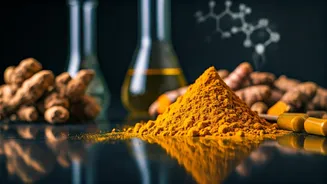
The combination of turmeric and black pepper has become the darling of the modern wellness industry. It’s sprinkled into smoothies, brewed into expensive “golden lattes,” and encapsulated into high-potency supplements. The logic, promoted everywhere from
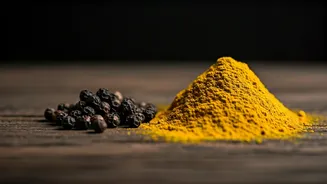
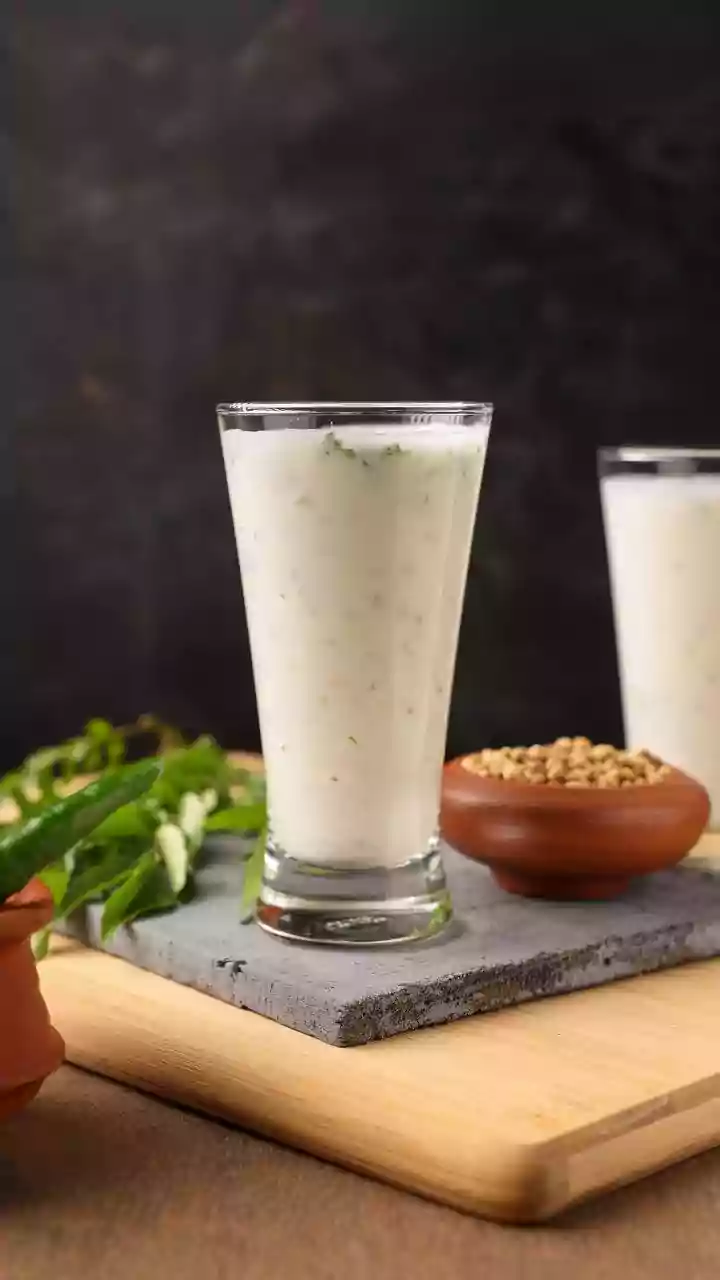
TikTok to health food aisles, is grounded in science: piperine, the active compound in black pepper, is said to dramatically increase the body's absorption of curcumin, the potent anti-inflammatory agent in turmeric. This synergy has been celebrated as a natural way to combat inflammation, boost immunity, and achieve a radiant glow. On the surface, it’s the perfect wellness trend for our times—plant-based, backed by a bit of science, and incredibly photogenic. Influencers hold their steaming mugs of golden milk aloft, touting its benefits with the zeal of recent converts. Brands have capitalized on the pairing, creating everything from turmeric-pepper teas to infused ghee and even savory snacks. For many Americans, this combination is a novel health hack, a recent addition to their arsenal of superfoods. But the story of this powerful duo is much older, richer, and more personal than a trending hashtag.
More Than a Spice Rack Staple
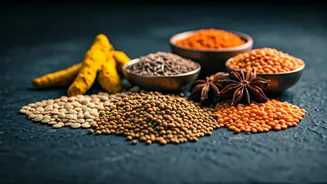
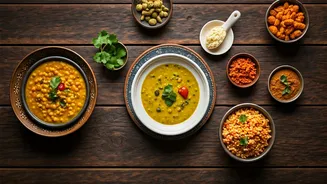
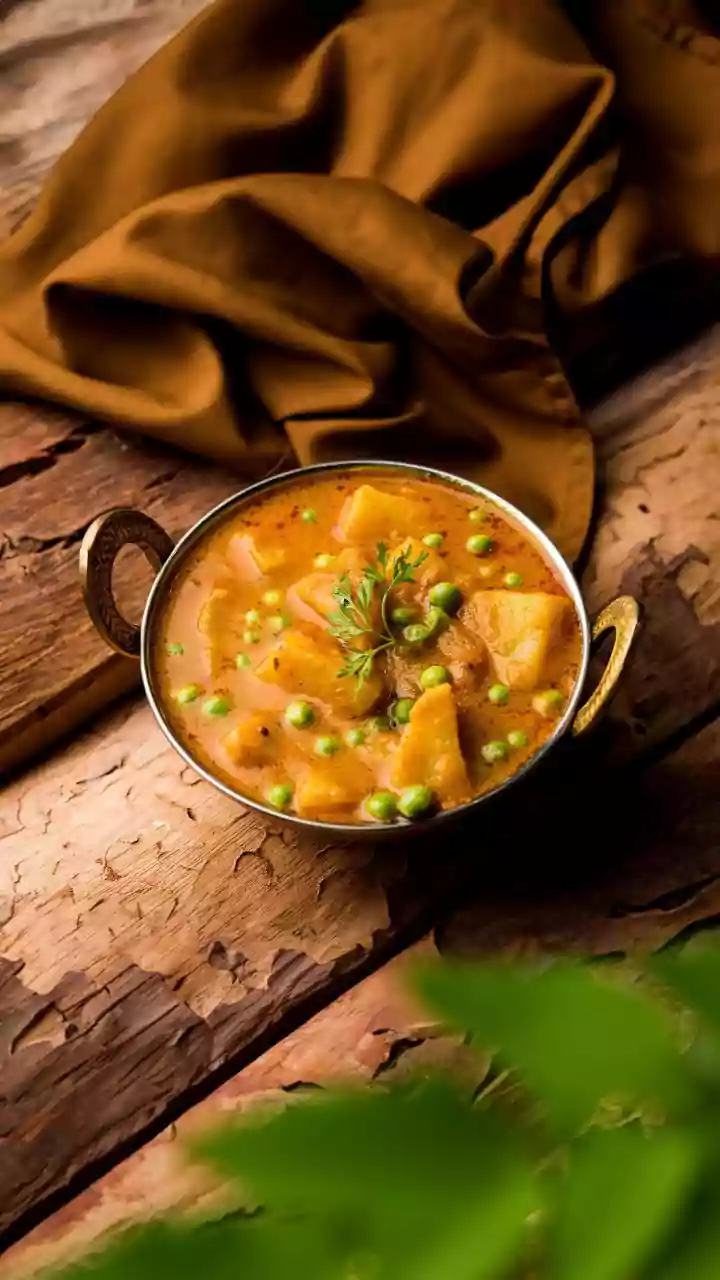
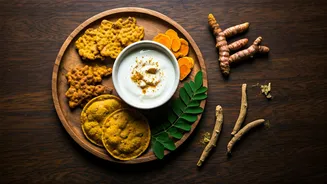
For generations in Desi households—a term for the people and cultures of the Indian subcontinent—turmeric, or 'haldi,' has been a cornerstone of life. It’s the vibrant yellow spice that gives curries their signature color, but its role extends far beyond the kitchen. Haldi is a foundational element of Ayurvedic medicine, an ancient system of healing from India, where it has been used for thousands of years to treat everything from joint pain to skin ailments. The practice of drinking warm milk infused with turmeric, or 'haldi doodh,' is a cherished home remedy, a soothing potion given by mothers and grandmothers to children with a cough or a cold. It’s a comfort drink, a medicinal brew, and a thread in the fabric of family care. The addition of black pepper isn't a recent bio-hacking discovery; it's an intuitive part of traditional South Asian cooking and medicine, where ingredients are often combined to enhance their collective properties. This ancestral knowledge was passed down not in clinical studies, but in kitchens and through oral traditions.
A Familiar Feeling of Déjà Vu
This is why the sudden explosion of turmeric-pepper as a Western wellness trend can feel so jarring to many in the South Asian diaspora. It’s a complex feeling, a mix of pride, validation, and a healthy dose of exasperation. On one hand, there's a sense of 'we told you so.' On the other, there's the frustration of seeing something so integral to your culture being “discovered,” stripped of its context, and sold back to you at a premium. The $7 golden latte from a chic cafe is a world away from the haldi doodh your nani (maternal grandmother) made for you. This phenomenon isn’t new. It follows a well-worn pattern seen with yoga, chai (which simply means 'tea'), and neem. A practice or ingredient with deep cultural and spiritual roots is sanitized for a Western audience, its origins often erased or reduced to a brief, exoticizing footnote. What was once communal knowledge becomes a commodity. The online conversation among Desi creators and commentators is often tinged with this sentiment: a weary recognition that their heritage is once again being repackaged for mainstream consumption, with little credit given to the generations who were its original stewards.
From Kitchen Cure to Commercial Hit
The journey from a humble kitchen cure to a commercial blockbuster highlights the line between cultural appreciation and cultural appropriation. Appreciation involves a genuine effort to understand and respect the source of a tradition. Appropriation, however, involves taking from a culture without understanding or acknowledging its context, often for profit. When a wellness brand markets a “new” turmeric-pepper blend without mentioning its Ayurvedic roots, or when a cafe rebrands 'haldi doodh' as a 'golden mylk' invention, they are participating in a subtle form of erasure. This isn’t to say that non-Desi people can't enjoy a golden latte. The exchange of cultural practices is a natural and often beautiful part of a globalized world. But the power dynamics matter. When the culture doing the “discovering” has historically held power over the culture being “discovered,” the act of borrowing takes on a different weight. The current trend, for all its good intentions, often fails to acknowledge that the same practices it celebrates were once mocked or dismissed as foreign or unsophisticated when practiced by immigrants.