



Redefining Comfort with Deep Roots
First, let's talk about comfort. In the context of today's Indian interiors, comfort isn't just about a plush sofa or a memory foam mattress. It’s an emotional and sensory experience deeply tied to heritage. After years of chasing slick, international
aesthetics, many Indian homeowners and designers are looking inward. This translates to a renewed love for artisanal, handcrafted elements that tell a story. Think handwoven textiles from Kutch, intricate 'jaali' (latticed screens) carved from wood or stone, and furniture made from timeless local materials like teak and rosewood. These aren't museum pieces; they're integrated into daily life. A hand-blocked cotton quilt lies on a bed, a polished marble inlay floor feels cool underfoot during scorching summers, and an antique swing ('jhoola') might be the main feature of a high-rise apartment’s living room. This approach creates a sense of belonging and tranquility, a sanctuary from the bustling world outside.
Technology as a Silent Partner
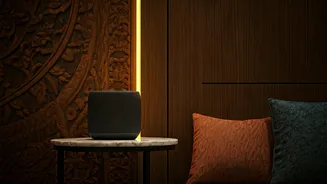
Now for the technology. The 'smart home' concept isn't new, but its application in urban India is less about gimmickry and more about seamless problem-solving. In a country with diverse and often extreme climates, technology becomes a crucial partner in maintaining comfort. It’s not just about asking a smart speaker to play a song; it's about automated blackout blinds that descend to block the harsh afternoon sun, sophisticated air purification systems that combat city pollution, and climate control that intelligently adapts to monsoon humidity. Voice-activated lighting is programmed not just for convenience, but to create specific moods—from a bright, energetic morning setting to a warm, soft glow for evening relaxation. Security is also a major driver, with integrated cameras and smart locks providing peace of mind in dense urban environments. The key here is subtlety. The best tech in these homes is almost invisible, working quietly in the background to make life easier, safer, and more pleasant without disrupting the home's warm, organic aesthetic.
The 'Why' Behind the Fusion
So, why is this blend happening now? It’s a reflection of modern India itself. A growing, globally-exposed middle and upper class has both the aspiration for modern conveniences and a renewed pride in local identity. They might stream a Hollywood blockbuster in a room adorned with traditional Madhubani art. The pandemic also played a huge role. As homes transformed into offices, schools, and gyms, the demand for multifunctional, highly efficient spaces skyrocketed. People needed their homes to work harder for them, which drove tech adoption. At the same time, being confined indoors fostered a deep yearning for warmth, nature, and tactile comfort. This cultural moment created the perfect conditions for a design philosophy that honors both the past and the future. It’s a quiet rejection of the idea that to be modern, one must erase their heritage. Instead, it’s about weaving them together to create a new, distinctly Indian form of luxury.
What This Looks Like in Practice
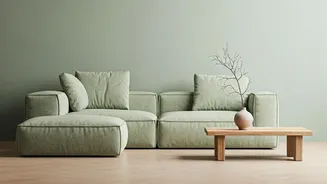
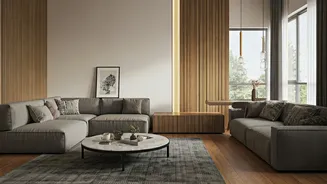
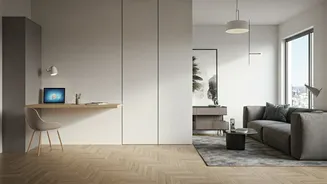
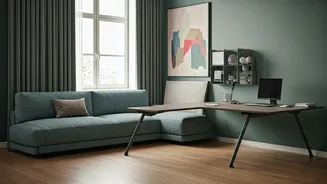
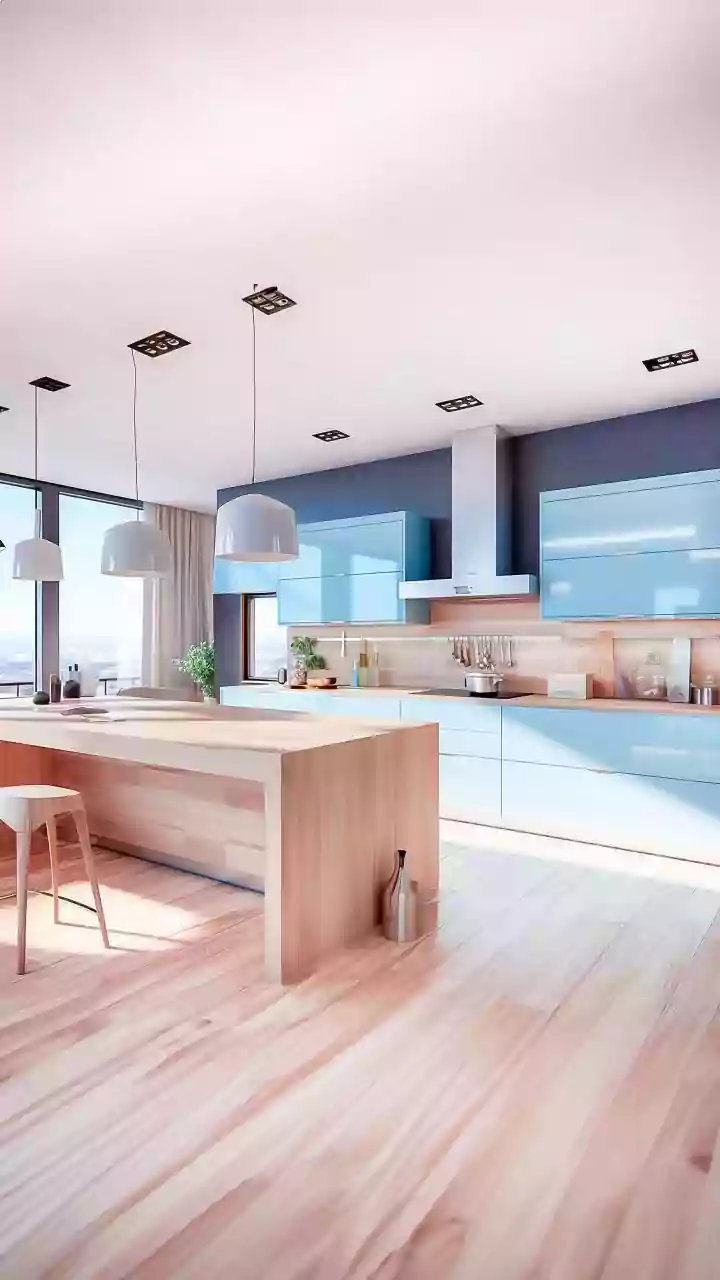
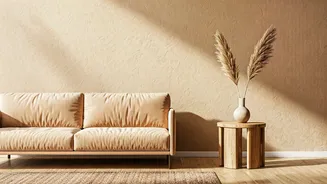
Picture a contemporary apartment in Mumbai or Bengaluru. The living room is anchored by a low, modern sofa, but it’s covered in vibrant, raw silk cushions. The entertainment console is a minimalist piece, but the wall behind it might be finished in a textured lime plaster, a traditional technique. From your phone, you can adjust the recessed ambient lighting while you admire a collection of centuries-old bronze statues displayed on a floating shelf. The kitchen boasts state-of-the-art German appliances, but the backsplash is made of colorful, handmade tiles from Jaipur. The master bedroom features a sleek, upholstered headboard, but the windows are framed by sheer, hand-embroidered curtains. This isn't a culture clash; it's a carefully choreographed dance between two worlds. It’s a home that is as ready for a traditional family ceremony as it is for a Zoom call with international clients.