

So, What Is This Vibe?
Look closely at the most exciting menus in America today, and you'll start to see a pattern. It’s not fusion, that 90s-era mashing of international cuisines. It's something more specific and, frankly, more confident. We're talking about a dish served
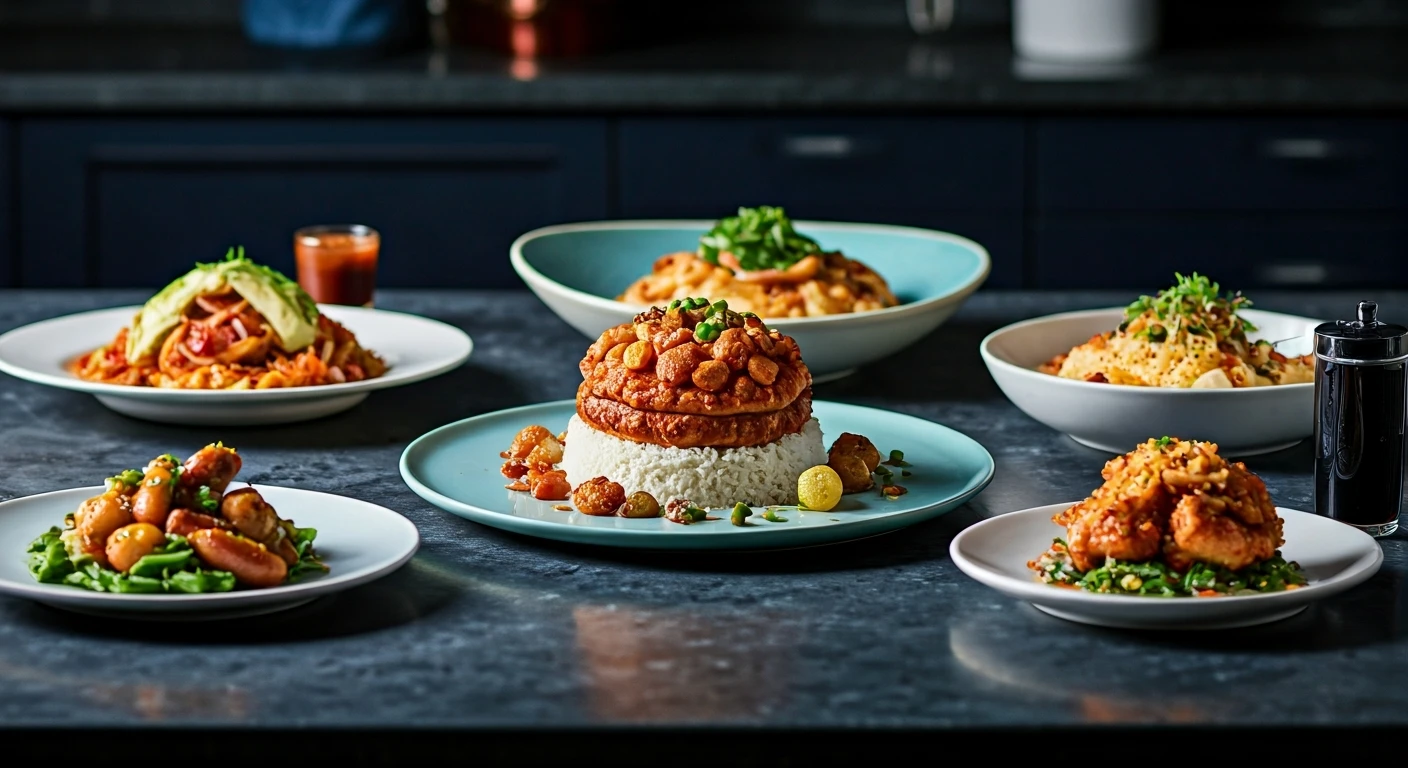
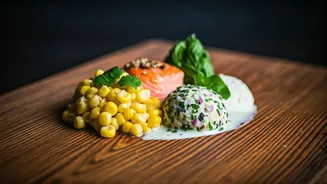
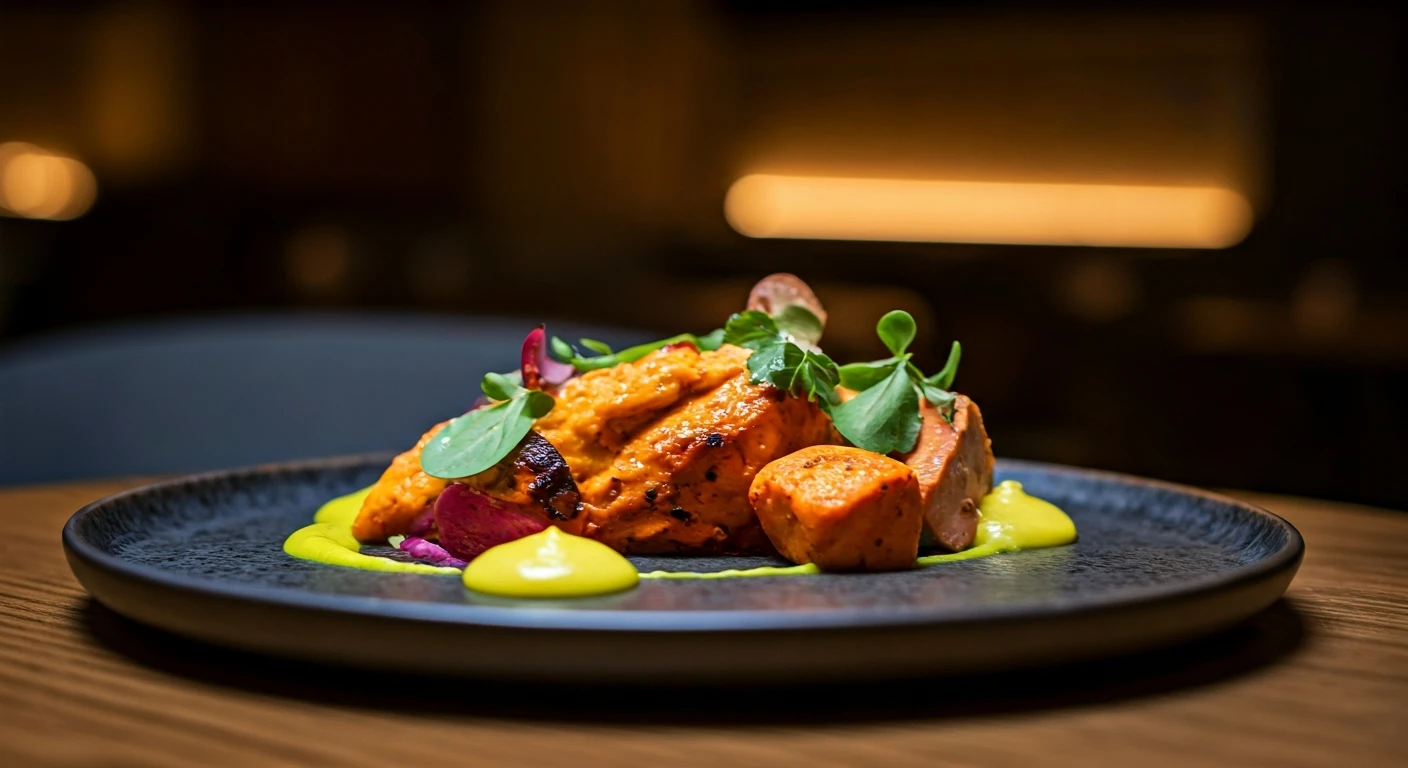
in a Chicago bistro that features Gulf shrimp from Louisiana, Anson Mills grits from South Carolina, and perhaps a garnish of wild watercress foraged in the Pacific Northwest. This is the 'One Meal, Several States' mood: a deliberate and artful assembly of the best possible American ingredients, regardless of their origin. It’s less a melting pot and more of a beautifully curated mosaic. Each component retains its identity and sings its own regional song, but together they create a uniquely American harmony.
The Hyper-Regional, Super-National Plate
This movement represents a new chapter in 'New American' cuisine. For decades, the term meant applying French techniques to American ingredients. Now, it means creating a dialogue between the ingredients themselves. A chef in New York might build a dish around heritage pork from Iowa, but pair it with the sharp tang of a vinegar sauce inspired by North Carolina BBQ and serve it alongside roasted sweet potatoes from a farm upstate. Another might top a pizza with Wisconsin brick cheese, wild mushrooms from Oregon, and soppressata from a California salumeria. The technique is modern, but the reverence is for the product and its provenance. The location of the restaurant is almost secondary to the geography represented on the plate. The entire country becomes a chef’s pantry.
Why Now? The Perfect Storm
Several forces converged to create this moment. First, logistics. Sophisticated overnight shipping and dedicated supply chains mean a chef in a landlocked state can get pristine Maine lobster or day-boat scallops from Massachusetts with astonishing freshness. The farm-to-table movement taught us to prize local, but technology has nationalized that impulse, creating a 'best-farm-to-any-table' reality. Second, the internet. Diners are more educated than ever, thanks to food blogs, Instagram, and travel shows. They recognize and value a name-dropped heritage grain or a specific regional cheese, creating an audience that appreciates this culinary map-making. Finally, chefs themselves are looking inward. After years of chasing global trends, many American-born and -trained chefs are finding endless inspiration in the diverse larder of their own country, treating a Texan chile with the same respect as an Italian truffle.
Not Just for Fine Dining
While this trend is visible on tasting menus, its spirit is trickling down and democratizing. E-commerce platforms like Goldbelly allow home cooks to curate their own multi-state feasts, ordering a key lime pie from Florida, a deep-dish pizza from Chicago, and bagels from New York for a weekend binge. Small-batch producers of everything from hot sauce to cured meats can now find a national audience. The home cook can now make a Tuesday night dinner with Washington state salmon they had delivered, seasoned with a spice blend from a small shop in New Orleans. The principle is the same: celebrating and combining the best of America's regional bounty. It's a form of edible patriotism, where pride of place is expressed not by excluding others, but by inviting them to the party.