



The Rise of the Weeknight Wonder
What’s behind the surge in searches for “easy curry”? It’s a perfect storm of modern home cooking realities. After years of cooking more at home, we’re more adventurous but also more time-pressed than ever. We crave dishes that punch far above their weight
in terms of flavor but don’t demand hours of our time. The easy curry fits that niche perfectly. It offers the complex, aromatic satisfaction of a slow-cooked meal in the time it takes to boil pasta. Furthermore, the proliferation of high-quality global ingredients in mainstream supermarkets and the visual appeal of a vibrant bowl of curry on social media feeds like TikTok and Instagram have demystified what once seemed like a complicated, restaurant-only dish. It's become the ultimate weeknight power move: impressive, delicious, and shockingly simple.
What 'Easy' Really Means Here
Let’s be clear: “easy” is not a code word for “bland” or “inauthentic.” In this context, easy means smart. It’s about leveraging brilliant shortcuts that chefs and savvy home cooks have used for years. Instead of grinding your own spice blend on a Tuesday night (a worthy but time-consuming project), you’re using a high-quality, store-bought curry paste. Instead of a long, slow simmer, you’re using quick-cooking proteins and vegetables. The goal isn't to create a 100% traditional, long-form curry from a specific village in Thailand or India. The goal is to get 90% of that deep, satisfying flavor for about 10% of the effort, creating a dish that is deeply delicious in its own right and perfect for a busy schedule.
Your Secret Weapon: The Curry Paste
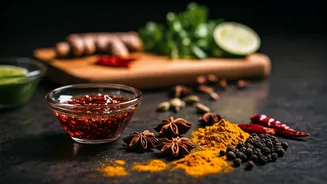
The single most important element of an easy curry is the base. A good curry paste (for Thai-style curries) or a concentrated sauce or powder blend (for Indian-style curries) is a jar of culinary magic. These pastes are complex, layered blends of aromatics like lemongrass, galangal, chiles, garlic, and spices that have been pounded and cooked down. Trying to replicate that from scratch is a major undertaking. Brands available in most U.S. grocery stores, from Thai Kitchen to Mae Ploy and Maesri, offer red, green, and yellow curry pastes that provide an incredible flavor foundation. For Japanese curry, look for S&B Golden Curry roux blocks. For Indian flavors, pastes from Patak's or Sukhi's are a great starting point. Blooming a tablespoon or two of this in a hot pan is your five-second ticket to a deeply aromatic meal.
The Mix-and-Match Method
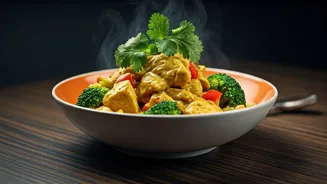
Once you have your flavor base, the rest is a simple formula. This is where you can customize based on what you love and what you have in the fridge. A can of coconut milk (full-fat for richness, light for a healthier take) is the classic liquid, creating a creamy, luxurious sauce. For protein, think fast: thinly sliced chicken breast or thighs, shrimp, cubed firm tofu or paneer, or even just a can of drained chickpeas tossed in at the end. For vegetables, the world is your oyster. Sliced bell peppers, onions, broccoli or cauliflower florets, snap peas, and carrots all work beautifully. For an even easier path, toss in a handful of fresh spinach or frozen peas near the end of cooking—they’ll wilt or warm through in minutes.
Your 30-Minute Curry Blueprint
Forget rigid recipes. Follow this simple framework: 1. **Sauté (5 mins):** Heat a little oil in a pot or large skillet over medium-high heat. If you have an onion, garlic, or ginger, chop and sauté it for a few minutes. If not, skip it! 2. **Bloom (1 min):** Add 1-2 tablespoons of your chosen curry paste and stir constantly for about a minute until it’s fragrant. This step is crucial—it wakes up all the spices. 3. **Simmer (15 mins):** Pour in a can of coconut milk, scraping up any paste from the bottom. Bring it to a simmer. Now add your protein (like chicken) and harder vegetables (like carrots or broccoli). Let it all bubble gently until the protein is cooked through and the vegetables are tender-crisp. 4. **Finish (2 mins):** Add any quick-cooking ingredients, like shrimp, spinach, or chickpeas. Stir until the shrimp is pink or the spinach is wilted. Taste and add a squeeze of lime juice for brightness, a pinch of sugar to balance the heat, or a dash of fish sauce/soy sauce for saltiness. Serve hot over rice or noodles.