



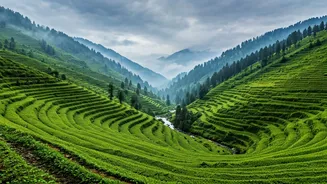


An Introduction to the Valley
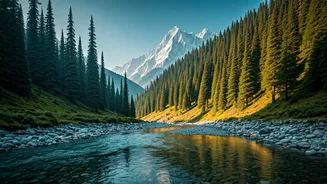
Tucked away in the Kullu district of Himachal Pradesh, Tirthan Valley feels like a world apart from India’s chaotic cities. Named for the pristine Tirthan River that flows through it, the valley is the gateway to the Great Himalayan National Park, a UNESCO
World Heritage Site teeming with wildlife. Unlike more commercialized mountain destinations, Tirthan has fiercely protected its rustic charm. You won’t find large hotel chains here. Instead, the valley's tourism is built on something far more intimate: a network of family-run homestays that line the river's edge, offering a genuine connection to the land and its people.
The Soul of the Homestay
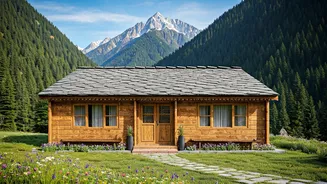
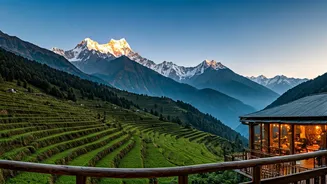
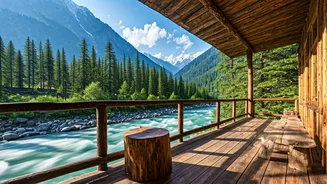
For many American travelers, the term “homestay” might conjure images of a spare room rented out on a booking app. In Tirthan, it’s a much deeper experience. These are not just places to sleep; they are invitations into a local family’s life. Most homestays are traditional wooden structures, built in the classic Kath-Kuni architectural style, designed to withstand the cold mountain winters. Your hosts are often the owners, farmers, and storytellers who have lived here for generations. Days are unstructured. Mornings start with hot chai, afternoons might be spent reading on a balcony overlooking the water, and evenings are for sharing stories around a bonfire. It’s a return to simplicity that feels both grounding and revolutionary.
Life Governed by the River
The Tirthan River isn't just a scenic backdrop; it's the valley's main character. Its crystal-clear, icy water cascades over smooth boulders, creating a constant, soothing soundtrack. The river is famous for its trout, and angling is a meditative pastime for many visitors (a permit is required). But you don't need a fishing rod to connect with the water. Many homestays have private little clearings or gardens that lead directly to the riverbank. You can spend an entire day simply rock-hopping, dipping your feet in the refreshingly cold stream, or finding a sun-drenched stone to use as a makeshift lounge chair. This direct, constant access to nature is the core of the Tirthan escape.
A Taste of Himachali Hospitality
The experience is anchored by the food. Forget generic hotel buffets. In a Tirthan homestay, you eat what the family eats. Meals are typically prepared by your hosts using ingredients grown in their own gardens or sourced from the village. You'll get to try authentic Himachali cuisine: hearty lentils (dal), fresh seasonal vegetables, red rice, and local breads. A must-try is *siddu*, a steamed bread stuffed with walnuts or poppy seeds, often served with a generous dollop of ghee (clarified butter). Another highlight is the fresh river trout, often marinated in local spices and pan-fried to perfection. It's simple, wholesome, and deeply satisfying food, made even better by the warmth of the people serving it.
Beyond the Riverbank
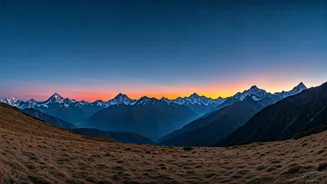
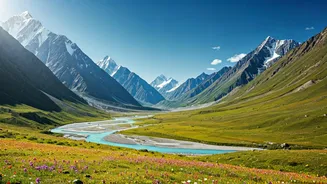
While it's tempting to never leave the comfort of your riverside perch, the valley offers gentle adventures for those who seek them. Short treks lead to hidden waterfalls, towering forts, and quiet villages like Jibhi and Gushaini. For the more ambitious, the Great Himalayan National Park offers multi-day treks through some of the most untouched wilderness in the Himalayas. Your homestay host can usually connect you with a reliable local guide. But even a simple walk along the road connecting the villages is an activity in itself, offering stunning views and friendly encounters with locals who are always ready with a smile.