



Beyond Wellness Spas and Yoga
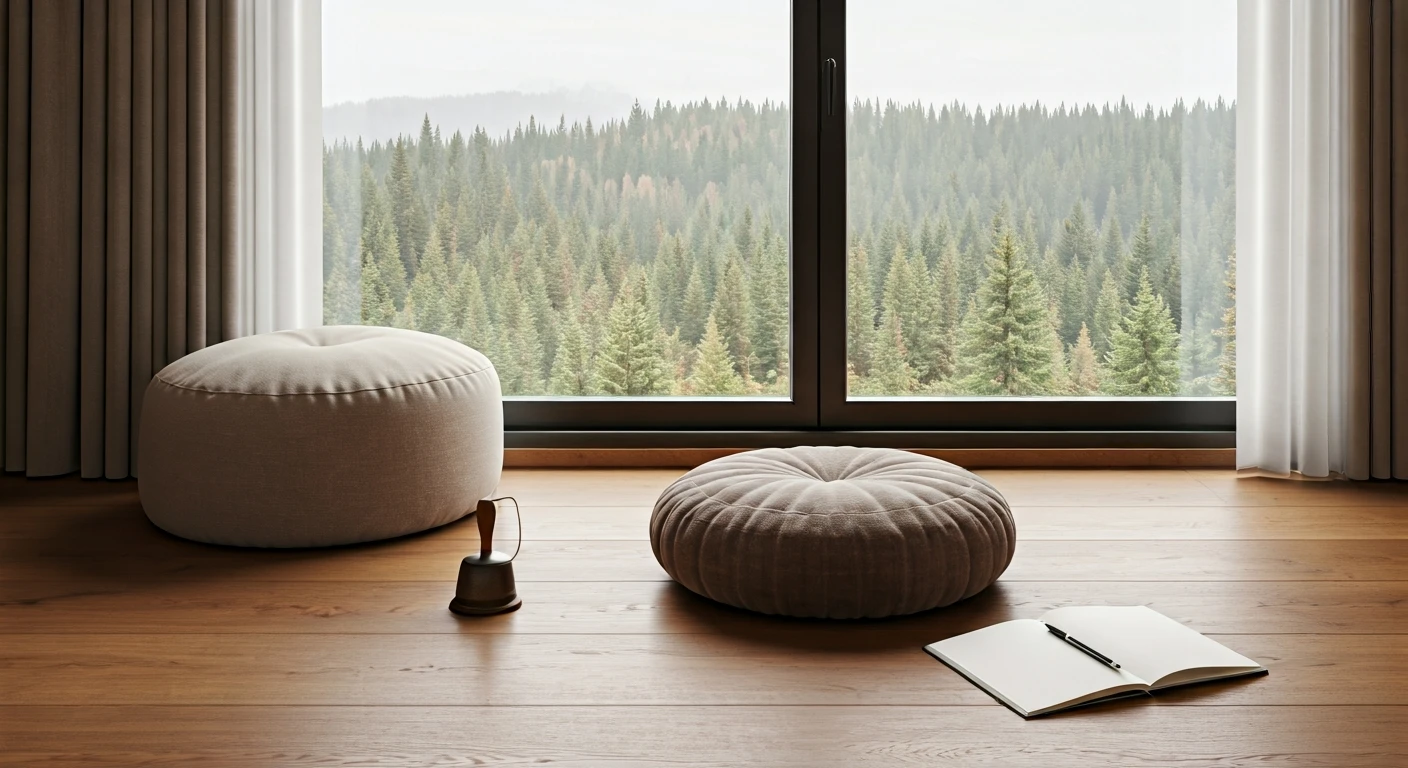
When we talk about “nervous-system benefits,” we’re moving beyond the standard hotel spa or a lonely yoga mat tucked in the closet. This concept is about creating an environment that actively soothes the body’s stress response. Think of it as hospitality
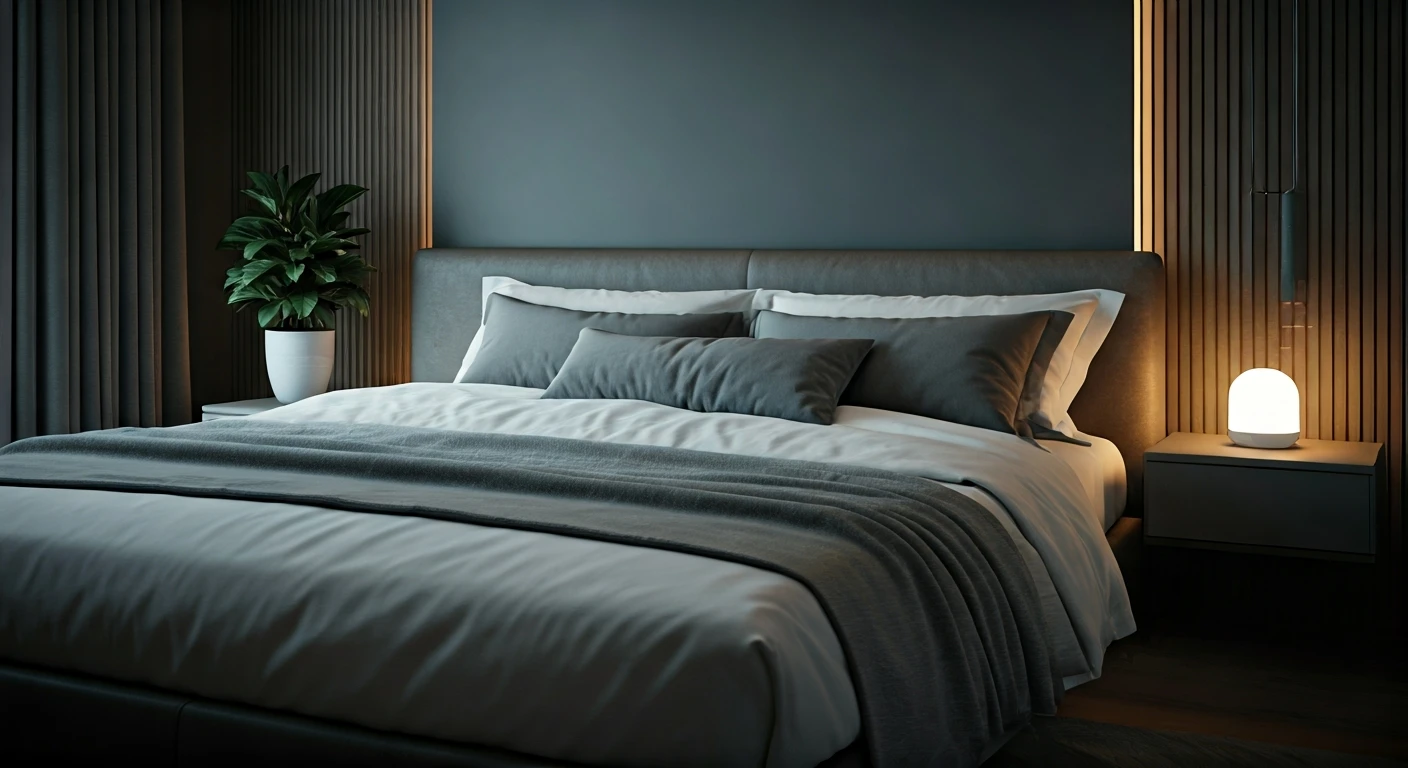
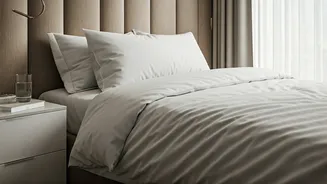
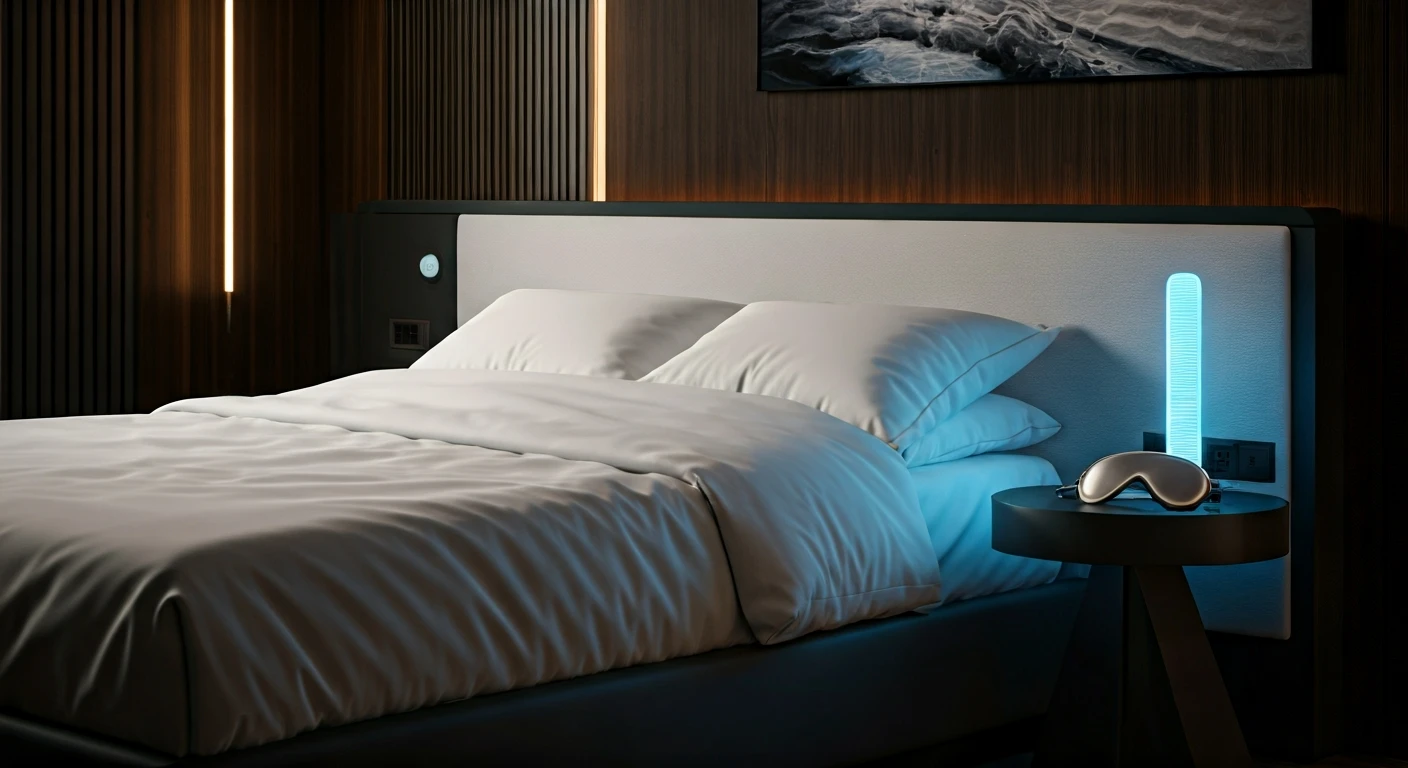
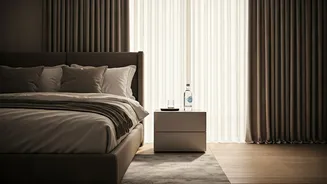
designed to combat the constant low-grade anxiety of modern life. These benefits are tangible and often sensory-based. We're talking about rooms equipped with weighted blankets to ease anxiety, blackout curtains that create a true lightless cave for deep sleep, and customizable circadian lighting that syncs with your body's natural rhythm. It could mean the scent of lavender diffused through the ventilation system, access to a cold plunge pool to reduce inflammation, or even something as simple as a high-quality air purifier that eliminates unseen stressors. It’s a shift from performative wellness (posting a picture from the spa) to functional wellness (actually feeling restored).
The Gen Z Connection
So why is Gen Z—the cohort born between roughly 1997 and 2012—driving this demand? This is a generation that came of age in an era of digital saturation, economic precarity, and a global pandemic. They are digitally native but also acutely aware of the mental and physical toll of being constantly connected. Unlike previous generations who may have sought vacations for pure hedonism or escapism, many in Gen Z view travel as an essential tool for recovery from burnout. They are fluent in the language of mental health, self-care, and somatic healing. For them, a vacation that leaves them feeling more drained, overstimulated, or sleep-deprived from late nights and cheap alcohol is a failed investment. They are willing to spend money not just to see the world, but to feel better in it. A hotel that understands this—that offers a sanctuary, not just a spectacle—is speaking their language.
What This Looks Like in Practice
The hospitality industry is beginning to listen. While not always explicitly marketed with the phrase “nervous-system benefits,” these features are cropping up in forward-thinking hotels. Some boutique properties now offer “sleep menus” with a choice of pillows, specialty teas, and aromatherapy diffusers. The rise of sophisticated, non-alcoholic cocktail programs at hotel bars caters to a generation less interested in heavy drinking. Hotels are designing more “third spaces”—quiet, comfortable lounges that aren’t a bar or a lobby—where guests can read, reflect, or simply exist without pressure to socialize or spend money. Technology is also playing a role, with some high-end hotels integrating apps that control everything from light temperature to soundscapes, allowing guests to create their own personalized sensory bubble. It's a subtle but significant evolution from providing a bed to providing a haven.
A Trend with Broader Appeal
While Gen Z may be the vocal catalyst for this trend, the desire for genuine rest is hardly exclusive to them. Burnout is a cross-generational phenomenon. Millennials, now deep into careers and child-rearing, are exhausted. Gen X is famously sandwiched between aging parents and demanding careers. Even Boomers are rethinking retirement, prioritizing health and longevity. The pandemic served as a collective reset, forcing millions to confront the unsustainability of their lifestyles. The appeal of a hotel that helps you unplug, sleep deeply, and return home feeling genuinely renewed is universal. What starts as a niche demand from the youngest generation of adult consumers often becomes the new standard for everyone. What Gen Z wants today, the rest of the market will likely expect tomorrow.