


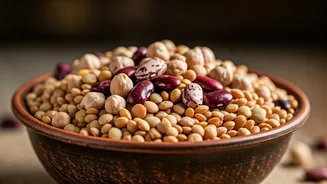
The Humble Hero’s Comeback Tour
For years, legumes were the wallflowers of the food world. Associated with either bland cafeteria chili or complicated, hours-long soaking rituals, they were easily overshadowed by trendier health foods. The rise of low-carb diets in the 2000s didn't
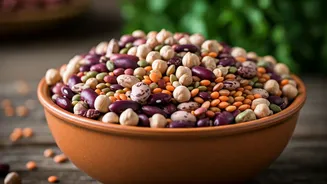
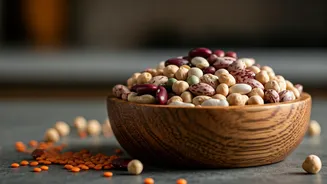
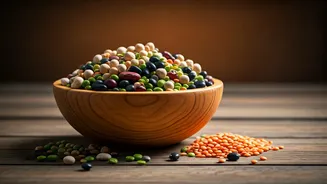
help, pushing beans, peas, and lentils further into the culinary background. But now, the pendulum is swinging back, and hard. Driven by a perfect storm of cultural shifts—the boom in plant-based eating, a renewed focus on budget-friendly groceries, and our collective obsession with gut health—legumes are staging a major comeback. They’re no longer just a filler ingredient; they’re the star. From crispy chickpea snacks to creamy lentil soups and savory black bean burgers, these pantry staples are being celebrated for what they are: affordable, versatile, and incredibly good for you.
So, Why Does Your Gut Approve?
The secret to the legume’s gut-friendly power lies in one key component: fiber. Specifically, a type of fiber that acts as a prebiotic. Think of your gut as a bustling city populated by trillions of bacteria, both good and bad. Prebiotics are the five-star cuisine for the good bacteria (probiotics). When you eat legumes, their resistant starches and soluble fibers travel undigested to your large intestine, where your beneficial gut microbes feast on them. This fermentation process creates a host of beneficial compounds, most notably short-chain fatty acids (SCFAs) like butyrate. Butyrate is a superstar for your colon. It serves as the primary energy source for the cells lining your intestinal wall, helping to strengthen the gut barrier, reduce inflammation, and support overall digestive health. In simple terms, eating legumes is like hiring a world-class catering team for the microscopic allies living inside you.
Think Beyond the Bean Burrito
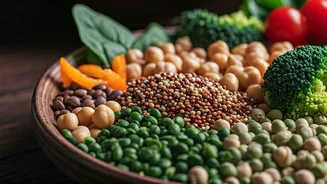
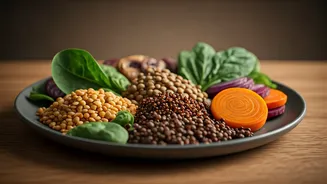
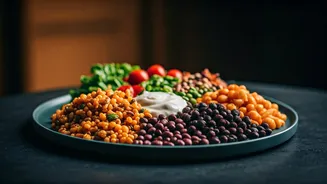
Getting more legumes into your diet doesn’t have to mean eating three-bean salad every day. The beauty of this food group is its incredible diversity in flavor, texture, and use. Canned chickpeas can be roasted with spices for a crunchy snack or blended into a silky homemade hummus. Red lentils, which cook in just 15 minutes, dissolve beautifully into soups and sauces, adding creaminess and a major protein boost. Black beans are a classic for a reason, perfect for bulking up veggie burgers, tacos, or even brownies. Try tossing cooked brown or green lentils with a lemon vinaigrette, feta, and fresh herbs for a refreshing lunch salad that will actually keep you full. You can even sneak them in by adding a handful of cannellini beans to a smoothie for extra creaminess and fiber without altering the taste. The goal is to start thinking of them not as a side dish, but as a foundational ingredient.
Let's Talk About the Side Effects
We can't celebrate legumes without addressing the elephant in the room: gas and bloating. This is a real concern for many, but it shouldn't be a dealbreaker. The gas is a direct result of that beneficial fermentation process mentioned earlier. It’s a sign that your gut microbes are getting a good workout! For most people, this effect diminishes as your digestive system adapts. The key is to start slow. Don’t go from zero to a giant bowl of bean chili overnight. Introduce a small portion, like a quarter-cup, a few times a week and gradually increase the amount. Rinsing canned beans thoroughly washes away some of the starches that can cause gas. If you’re cooking dried beans from scratch, soaking them overnight and discarding the water helps significantly. Some find that lentils and split peas are easier to digest than larger beans, making them a great starting point for your legume journey.