




Why Humidity Is a Hidden Enemy
We love the cool relief that monsoon rains bring, but the accompanying spike in humidity creates a perfect breeding ground for bacteria and yeast on your dog's skin. A dog’s coat, especially a thick or double coat like on a Golden Retriever or German
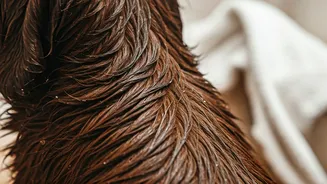
Shepherd, is designed for insulation. When it becomes damp and stays that way, it traps moisture against the skin. This prevents the skin from breathing and drying out properly, creating a warm, moist environment where microbes thrive. The result can range from a funky, musty odor to painful skin infections, commonly known as “hot spots” (acute moist dermatitis), yeast infections in the ears and paws, and other bacterial flare-ups.
Know the Red Flags
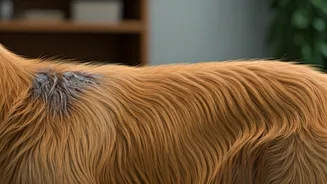
Your dog can’t tell you they’re uncomfortable, so it’s up to you to be a vigilant observer. As the humidity climbs, pay close attention to changes in their behavior and appearance. Catching problems early is the key to preventing a minor irritation from becoming a major veterinary bill. Common signs of skin distress during damp seasons include: persistent scratching or licking of a specific area; a greasy feel to their coat; a strong, yeasty or musty smell coming from their skin or ears; redness and inflammation, especially in skin folds or under the legs; and hair loss or scaly patches. Don’t dismiss obsessive paw-chewing as a simple habit—it’s often the first sign of an itchy, frustrating yeast infection between their toes.
Master the Post-Rain Dry-Down
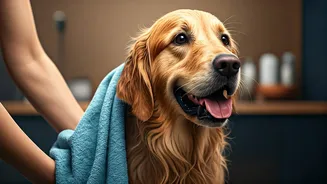
Your number one tool in the fight against monsoon misery is a towel—and a commitment to using it. Every single time your dog comes inside from the damp grass or a rainy walk, they need a thorough drying. Pay special attention to their belly, paws, armpits, and ears. For dogs with thicker coats, a simple towel-off may not be enough. Consider investing in a pet-specific high-velocity dryer. It may seem like an indulgence, but it can blast water away from the skin in minutes, ensuring the undercoat is completely dry. This single step can dramatically reduce the risk of hot spots. Also, resist the urge to bathe your dog more frequently unless advised by your vet; too much bathing can strip natural oils and disrupt the skin's protective barrier, making it more vulnerable.
Upgrade Your Grooming Routine
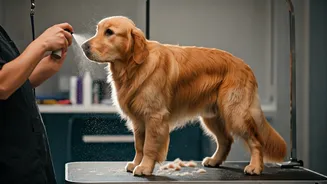
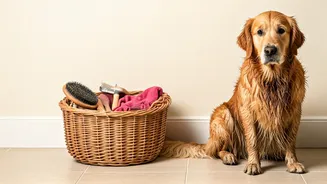
Monsoon season is not the time to slack on brushing. Daily brushing does more than just prevent tangles; it removes loose fur, dirt, and debris while helping to aerate the coat, allowing the skin underneath to breathe. For double-coated breeds, using an undercoat rake can be a game-changer, thinning out the dense, heat-trapping fur without compromising the top coat. While shaving a double-coated dog is generally discouraged, a sanitary trim around the paws, belly, and rear can help improve airflow and reduce the areas where moisture gets trapped. Keeping your dog’s bedding clean and dry is also critical. Wash it frequently in hot water to kill any lingering yeast or bacteria.
When to Call the Veterinarian
While preventative care can solve most issues, some problems require professional help. It’s crucial to know when to move beyond home remedies. If you notice a hot spot that is growing rapidly, looks raw and weepy, or is clearly painful to your dog, it’s time to see the vet. These can become severe infections quickly. Similarly, if your dog is shaking their head constantly, has discharge from their ears, or the “Frito feet” smell becomes overpowering, they likely have an ear or skin infection that requires medicated shampoos, sprays, or even oral medication. Don't wait for it to get worse. A quick vet visit can provide the right diagnosis and treatment to get your pet comfortable again.